
Türkiye Takes Lead in Fresh Diplomatic Talks on Middle East Conflict

ANTALYA, Türkiye — Türkiye is hosting a high-stakes forum Friday bringing together the foreign ministers of Pakistan, Saudi Arabia and Egypt, as Islamabad pushes diplomatic efforts to end the Middle East war and secure a second round of US-Iran talks.
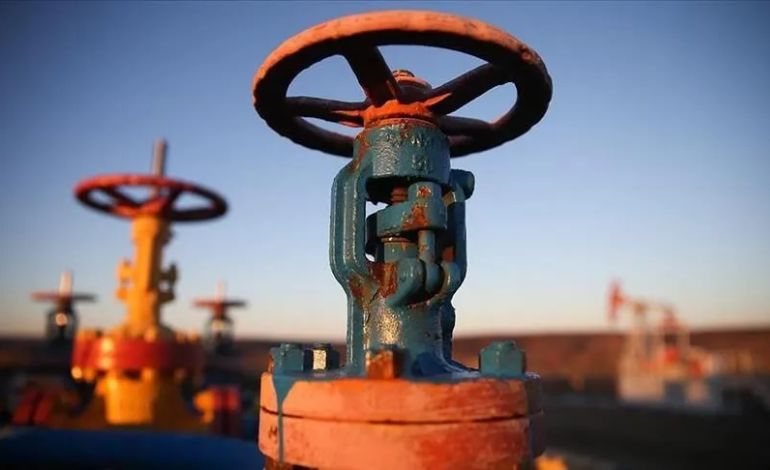
The three-day Antalya Diplomacy Forum opens in the Mediterranean resort city with President Recep Tayyip Erdogan delivering the keynote address. On the sidelines, the four foreign ministers will meet to discuss the conflict and the blockade of the crucial Strait of Hormuz — a waterway through which roughly one-fifth of the world’s oil passes.
Pakistan Steps Up Mediation
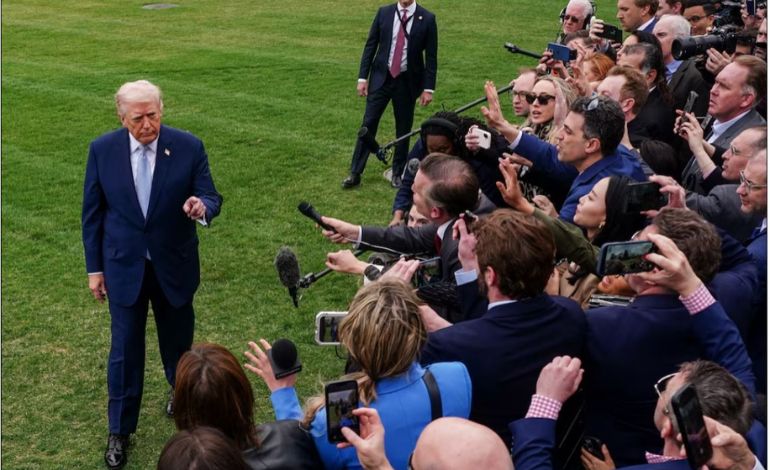
Pakistan has positioned itself as a key mediator in regional diplomacy, having hosted rare direct talks between Iran and the United States last weekend in Islamabad, which ended inconclusively. The White House has said further talks with Iran would “very likely” be held again in Islamabad.
Pakistani Prime Minister Shehbaz Sharif, who met Qatar’s ruler in Doha on Thursday and Saudi Crown Prince Mohammed bin Salman in Jeddah earlier this week, arrived in Antalya on the final leg of his Middle East diplomacy tour. He is expected to meet Erdogan on the margins of the forum.
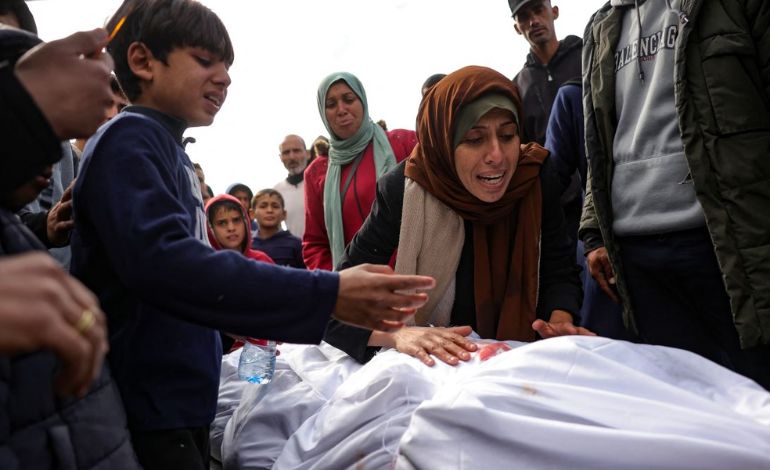
Pakistan’s powerful army chief, Field Marshal Asim Munir, held talks in Tehran on Thursday with Iranian parliament speaker Mohammad Bagher Qalibaf and other senior officials to plan for a possible new round of negotiations and “to convey messages from Washington,” according to Iranian state media. Pakistan helped broker a 14-day ceasefire on April 8, marking the first high-level engagement since the US-Israeli military offensive against Iran began on February 28.
Türkiye’s Call for Constructive Talks
Erdogan has urged both sides to seize the diplomatic window. “Negotiations cannot take place with clenched fists. Weapons must not be allowed to speak again instead of words. The window of opportunity opened by the ceasefire must be fully utilized,” he said in parliament this week.
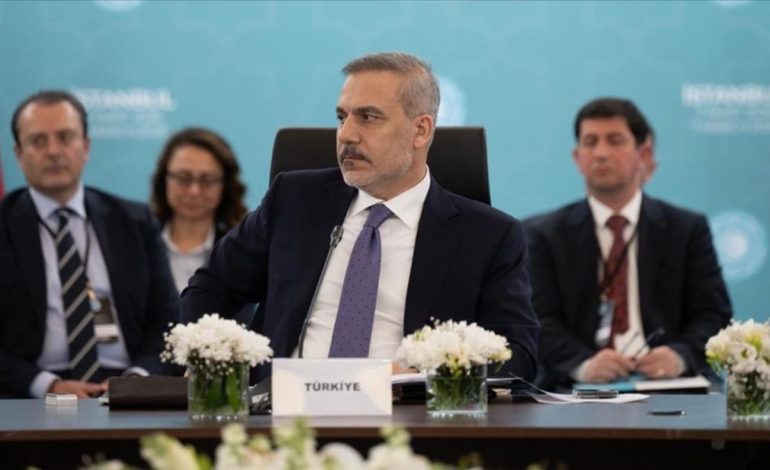
Turkish Foreign Minister Hakan Fidan said the strategic Strait of Hormuz should be reopened “as soon as possible,” describing the waterway as an “international free passage zone”. A Turkish defense ministry source added that Ankara hopes the temporary ceasefire “turns into a permanent one” and that the parties “will act constructively” in the ongoing negotiation process.
A Regional Diplomatic Push
More than 150 countries are expected to take part in the Antalya gathering, including over 20 heads of state and government. Among the participants are Syrian President Ahmed al-Sharaa, Russian Foreign Minister Sergei Lavrov, and Pakistani Prime Minister Sharif.
The four foreign ministers’ meeting is part of an evolving quadrilateral framework involving Türkiye, Pakistan, Saudi Arabia and Egypt — a mechanism that first came together on the sidelines of an Arab-Islamic foreign ministers meeting in Riyadh last month and is now moving toward formalization. Senior officials from the four countries held preparatory talks in Islamabad on Tuesday, discussing regional stability, diplomatic engagement and a cooperative framework focusing on shared goals such as peace and economic development.
Ankara has said any Middle East ceasefire should include Lebanon, which is facing Israeli attacks, and has joined diplomatic efforts with Egypt and Pakistan to help reach a resolution.
Also Read:
What the GCC Joint Statement Means for the Future of Tourism Growth
The Strong Warning by Makkah Grand Mosque Imam Against Online Misinformation