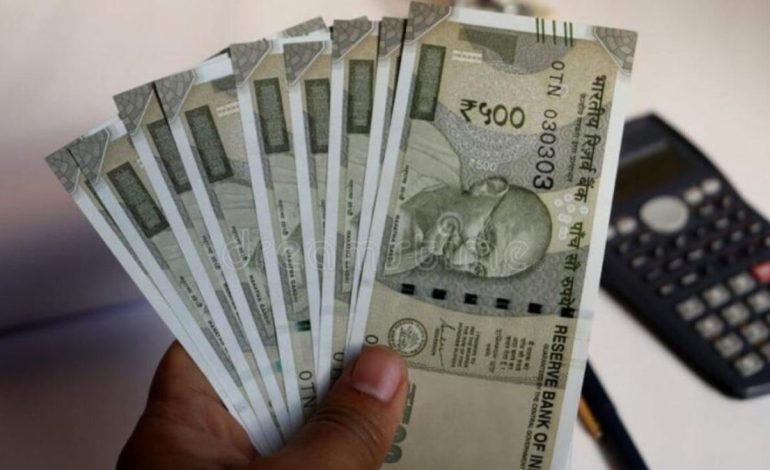
The Indian rupee is under intense pressure, with economists warning it could weaken to Rs98 against the US dollar by July and possibly breach the psychologically critical Rs100 mark if the Middle East conflict drags on and oil prices stay high.
The rupee, already Asia’s worst‑performing major currency this year, is trading near Rs95.77 per dollar after hitting an all‑time low of nearly Rs97 in May. India imports nearly 90% of its crude oil, making it highly vulnerable to elevated energy prices caused by the Gulf crisis. Foreign investors have also pulled about $27 billion from Indian markets this year, adding to the dollar demand.
The Reserve Bank of India has stepped in aggressively, selling billions of dollars to prevent a disorderly fall, but analysts believe further depreciation may be unavoidable.
A Windfall for UAE Expats
For Indians living in the UAE, the rupee’s weakness is a financial advantage. The UAE dirham is pegged to the US dollar, so it strengthens in lockstep with the greenback. Over the past two years, the dirham has gained nearly 15% against the rupee from around Rs22.8 in 2024 to about Rs26.0‑26.1 today.
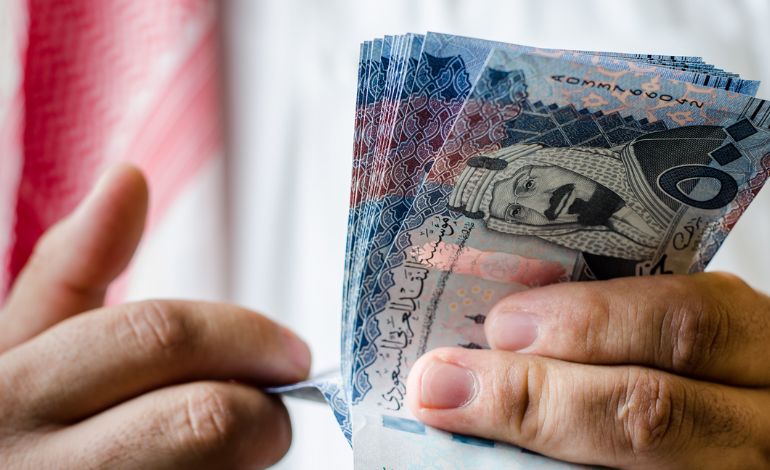
A UAE resident sending Dh5,000 home each month would have received roughly Rs114,000 on average in 2024. At current rates, the same transfer is worth about Rs130,000 an extra Rs16,000 without any salary increase. If the rupee slides to Rs100 per dollar, the dirham could approach Rs27.2, setting a new record and further boosting remittances.
India already receives over $125 billion annually in remittances, the highest in the world, with the UAE contributing a large share. A weaker rupee tends to encourage expats to accelerate transfers and invest more in Indian property and financial assets.
However, economists caution that while stronger remittances provide a cushion, they cannot offset the broader economic damage from high oil prices and capital outflows. For expats, though, the immediate effect is clear: every dirham sent home now buys significantly more rupees than just a year ago.