




Tech-Driven Environmental Tracking Improves Hajj Route Operations
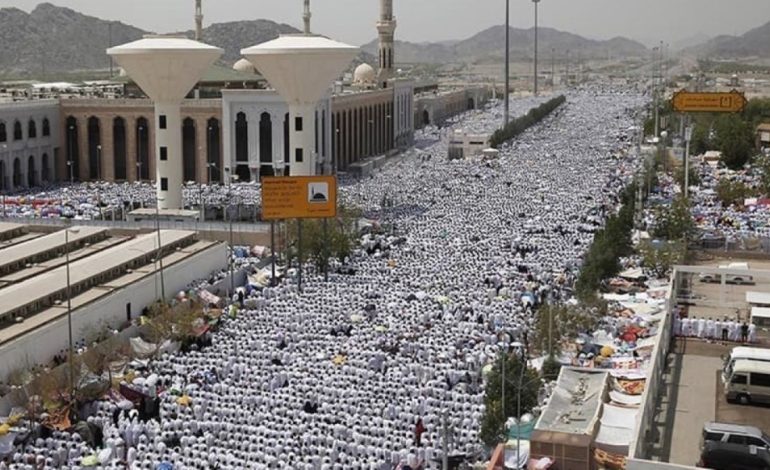

JEDDAH — Saudi Arabia’s National Center for Environmental Compliance conducted 145% more inspection rounds during this year’s Hajj season compared to the previous year, using advanced satellite imagery and real‑time monitoring to protect pilgrims and holy sites.
The center deployed more than 200 satellite images, analyzed by a team of specialists, to cover a wider area around Makkah, Madinah, and the holy sites. Over 100 environmental reports were processed, half of which were detected via satellite, allowing inspection teams to respond with greater accuracy.
More than 1,800 inspection rounds identified around 250 cases of noncompliance, 95% of which were administrative. Serious environmental violations accounted for less than 5%. Nine air quality monitoring stations operated around pilgrim congregation areas, and for the first time, a 24‑hour pollution forecasting program helped inspectors identify emission sources before pollution worsened.
Noise monitoring was expanded with six fixed stations and portable devices, with all readings remaining within permissible limits. Waste management from sacrificial animal slaughter was also closely tracked.
After pilgrims depart, the center will conduct more than 1,800 soil and water analyses to ensure long‑term environmental sustainability.
Also Read:
Fuel Price Hikes Shape Eid Travel Decisions Across the UAE
The Invisible Work Behind Hajj: How Split-Second Decisions Keep Millions Safe