
How Conflict Has Devastated Farming Communities in Southern Lebanon
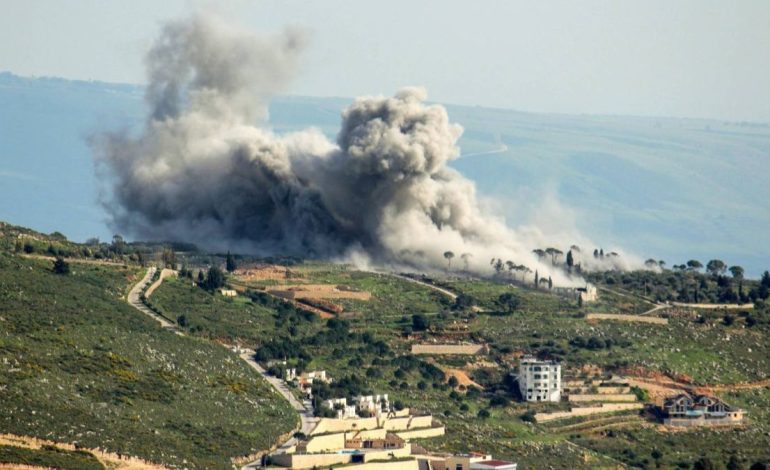

BEIRUT — Israeli bombardment has devastated farming communities across southern Lebanon, with agriculture minister Nizar Hani estimating losses to the sector at $541 million, including damage to agricultural equipment, land, and harvests. Lebanese officials warn that months of production have been lost, along with revenues those seasons would have generated. The damage extends to livestock, farmland, vegetation, water, and soil, threatening both food security and the livelihoods of communities across the south.
Laboratory testing of soil samples collected from southern border villages including Aita al-Shaab, Ras al-Naqoura, and al-Dhaira confirmed the presence of glyphosate at concentrations reaching 22,750mg/gram, according to a formal complaint sent to the United Nations. Normal concentrations in agricultural soil typically range between 0.5-2mg/gram. Lebanon’s foreign ministry said the findings point to the use of herbicides as a method of warfare, which the Chemical Weapons Convention prohibits. Israel has also used white phosphorus to create buffer zones, burning land and destroying vegetation across an estimated 56,000 hectares of agricultural land, roughly a quarter of Lebanon’s cultivated area.
The consequences are particularly severe because the south accounts for 95 percent of Lebanon’s bananas and 75 percent of its citrus fruit. Livestock, tobacco, and olive groves have also been affected. Ancient olive trees have suffered long-term damage, while the bulldozing and erosion of soil will adversely affect both agriculture and water resources. Eight nature reserves sustained damage, including Ramyeh, Beit Leif, Wadi al-Hujair, and Tyre. The war generated more than 16 million tonnes of rubble, with contamination detected at several sites and deterioration in air quality.
Lebanon’s environment minister Tamara El-Zein said the attacks extended beyond residential districts and farmland to some of the country’s most important protected natural sites, disturbing fragile ecological balances. The first integrated national assessment of the war’s environmental impact has been completed, providing a reference for directing the response. Lebanon’s finance minister Yassine Jaber said economic losses from the war exceeded $20 billion, with the economy expected to contract by up to 10 percent over the next year. Agriculture accounts for four percent of GDP and will receive dedicated assistance for reconstruction, with Italy already contributing emergency support under a bilateral agreement.
Also Read:
GCC Discusses Maritime Safety and Stability in the Hormuz Strait
Saudi FM Meets UK, Qatar, and Kuwait Officials to Discuss Regional Stability