

Kuwait Says Air Defenses Intercept Iranian Missiles and Drones
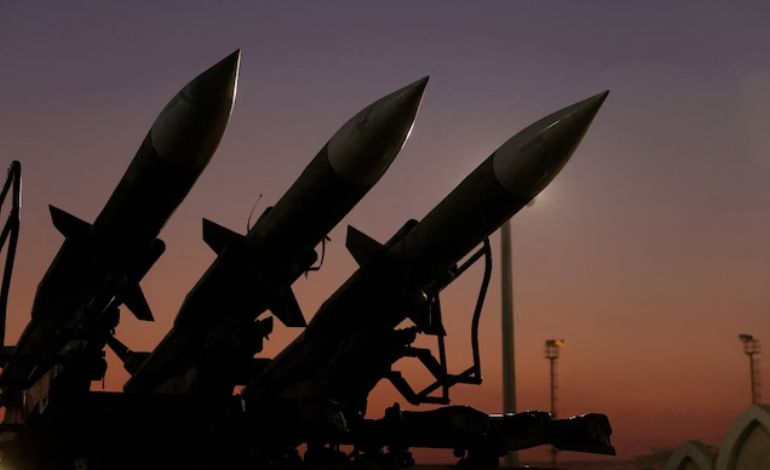

Kuwait said Thursday its air defenses successfully intercepted a missile and drone attack launched from Iran, as Tehran expanded its retaliation against US allies across the Middle East following renewed American strikes on the Islamic republic.
“Kuwaiti air defenses are currently engaging hostile missile and drone attacks following the heinous Iranian aggression,” Kuwait’s army said in a statement posted on X. Iranian state television confirmed Tehran was targeting US bases in Kuwait, describing the strikes as a response to what it called America’s crimes against the Iranian people.
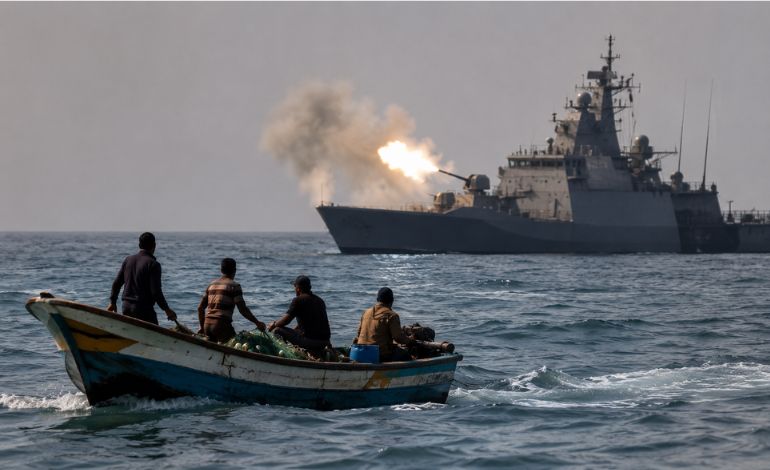
The attack followed Iranian strikes on US military facilities and allied nations in Kuwait, Jordan, the United Arab Emirates, Bahrain, and Iraq’s autonomous Kurdistan region, as fighting between Iran and the US sharply intensified. This latest round of violence came after extensive US strikes on Iranian targets earlier in the week. Tensions escalated further after Washington struck Iranian rocket launchers on an island in the Strait of Hormuz on Sunday, saying Tehran had been preparing to use them to deploy mines in the strategic waterway. Iran responded by firing missiles toward US bases in Jordan, which were intercepted, while also launching drones toward Bahrain and the UAE.
US Central Command said its most recent strikes focused on Iranian military targets, including air defense sites, radar systems, and maritime assets. But Tehran reacted with outrage after Iranian authorities said a US strike hit a home hosting a wedding in Kuhestak, a small coastal town overlooking the Strait of Hormuz. The Iranian Red Crescent said four people, including a child, were killed and more than 50 wounded, with Iranian state media reporting that the dead included two women and two children. Washington did not directly address the incident, though CENTCOM spokesman Tim Hawkins said the US military never targets civilians, contrasting this with Iran’s Revolutionary Guards.
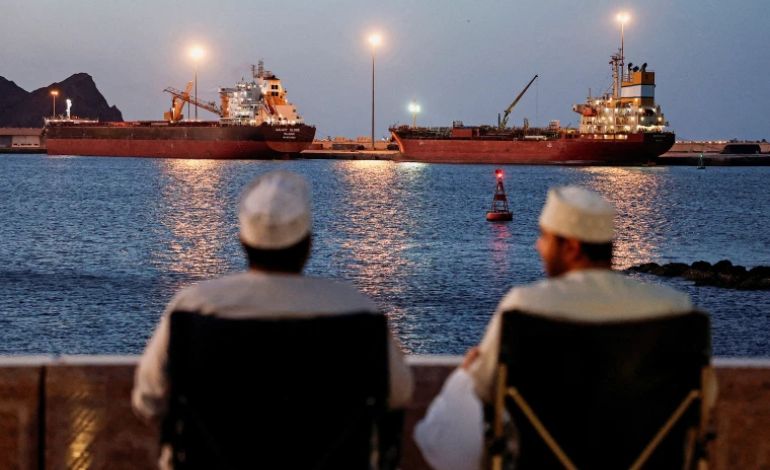
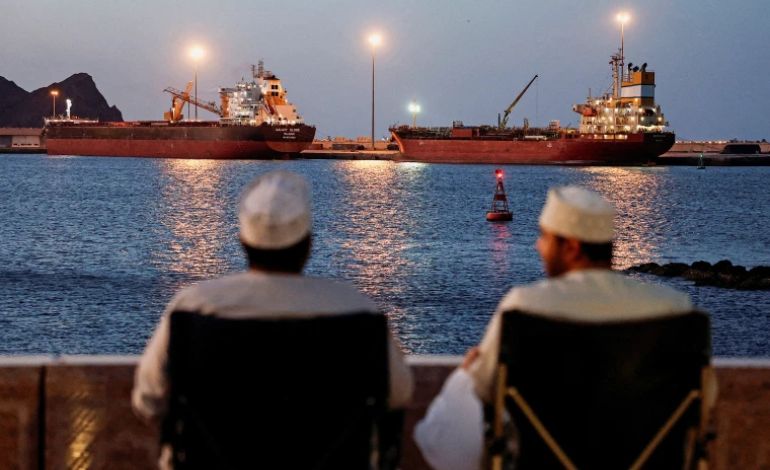
The widening conflict has also raised serious concerns over the safety of shipping through the Strait of Hormuz, a critical global energy corridor. A Saudi-flagged crude oil tanker came under attack and caught fire near the waterway on Monday, killing two Filipino crew members, according to Philippine officials. No group has claimed responsibility for the attack. Saudi Arabia condemned the incident and urged all parties to return to negotiations and pursue peaceful solutions, emphasizing the importance of halting further escalation and protecting international navigation and global energy supplies.
Iran has maintained tight control over shipping through the Strait of Hormuz since the conflict began, significantly reducing traffic through a waterway that carried roughly a fifth of the world’s traded oil before the war, contributing to rising global energy prices. Arab interior ministers have condemned Iranian attacks on Kuwait, Jordan, Bahrain, and the UAE, while regional governments including Egypt and Qatar have called on both Washington and Tehran to return to the negotiating table.
Also Read:
Saudi Water Industry Gets Major Boost From Seven New Plants
UN Warns of Serious Violations Amid Gaza and West Bank Crisis