
Iran War Escalation Deepens Fears of a Growing Civilian Death Toll

A sudden escalation in the Iran war has renewed attention on its civilian toll after Iran reported 18 people killed in the latest US assault, including four deaths and dozens of injuries at a wedding ceremony.
Iran’s health minister said 18 people were killed and 108 wounded in Tuesday night’s US strikes across the country. The Iranian Red Crescent reported that four people were killed and 67 injured at a wedding ceremony near the coast of the Strait of Hormuz.
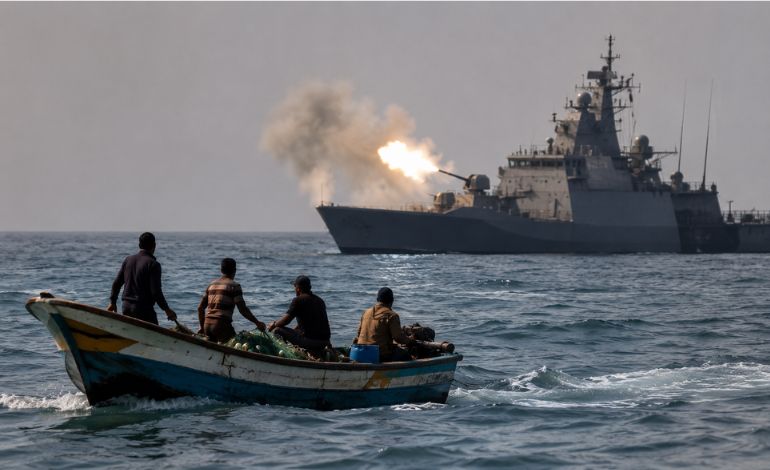
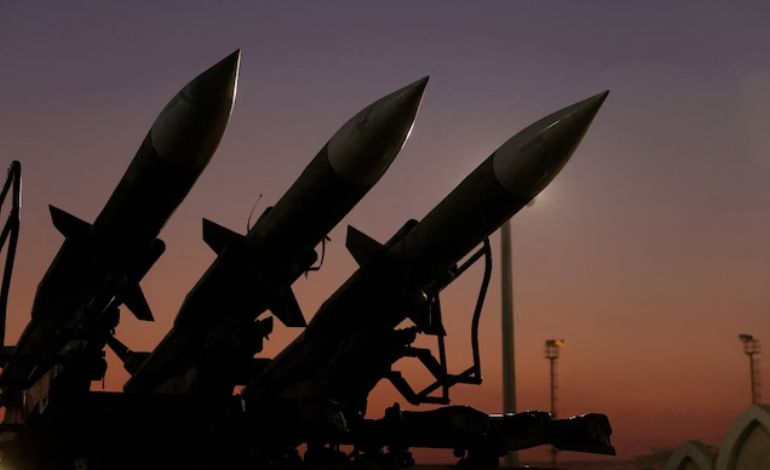
The renewed combat has raised alarm across the region, with Iran launching missile and drone attacks against what it described as US assets in Bahrain, Jordan, Kuwait, and Iraq. The Wall Street Journal reported Thursday morning that President Donald Trump has expressed support for declaring an end to the war. Kuwait’s army reported additional missile and drone attacks early Thursday, saying its air defense systems successfully intercepted them.
Fighting had largely quieted since the previous exchange in July, though peace talks failed to make progress during that period. Trump has since threatened further military action, even as the conflict remains unpopular domestically and has contributed to rising gasoline prices. According to four people familiar with internal discussions, top Trump aides are working to prevent further escalation ahead of November’s midterm elections in an effort to limit Republican losses, with White House officials expected to consider expanding military action after the November 3 vote. Iran, meanwhile, has remained defiant despite substantial military and economic losses.
UN Secretary-General Antonio Guterres said he was deeply alarmed by reports of civilian casualties, including the reported strike on the wedding ceremony, and called for an immediate halt to military action. “The Secretary-General condemns all attacks against civilians. He recalls that all parties must respect their obligations under international humanitarian law, including the principles of distinction, proportionality, and precaution,” his spokesperson, Stephane Dujarric, said.
These latest deaths would add to the 3,636 people documented as killed in Iran as of April 7, including 1,701 civilians, according to the Human Rights Activists News Agency, an independent Iranian rights organization. The US has reported 18 military personnel killed and more than 750 wounded throughout the conflict. Responding to the wedding strike reports, US Navy Captain Tim Hawkins, a spokesperson for US Central Command, said the reports originated from Iranian state media and maintained that the US military does not target civilians.
The Iranian Red Crescent released footage showing debris scattered near a building with significant roof damage, along with images of a collapsed utility tower and Red Crescent workers at the scene. Reuters verified the location using satellite imagery, which showed the fallen tower was situated 136 meters from the damaged building.
The incident recalled an earlier strike on a girls’ school in Minab that killed 160 people on the first day of the war. The Pentagon has not yet issued an official finding on that strike, which would represent the US military’s largest civilian casualty incident in decades. Two sources familiar with the matter told Reuters the strike may have resulted from the use of outdated targeting data. Democratic members of Congress have called on the administration to release its investigation findings, though the report has not yet been shared with lawmakers.
Supporters of the war effort have also pointed to civilian deaths linked to Iran’s own crackdown on street protests that swept the country in December and January, prior to the US and Israeli strikes that began on February 28. HRANA has estimated that death toll at more than 7,000, while some Iranian exile groups claim the number is significantly higher.
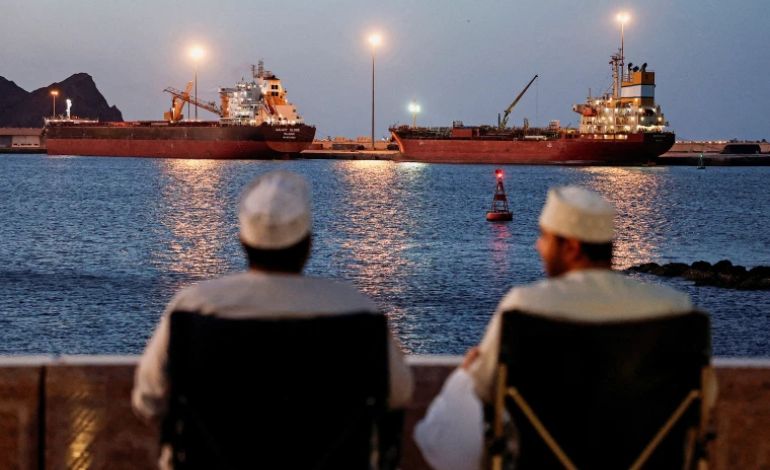
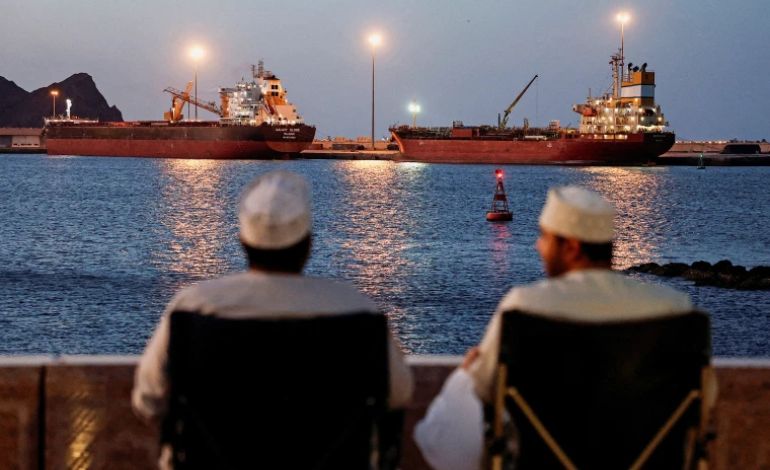
Trump has cited the hope that Iranians might rise up against their government as one motivation behind the war, alongside goals of halting Iran’s nuclear program and ending its support for militant groups abroad, including Hamas, Hezbollah, and the Houthis. In response to US strikes, Iran has also threatened any oil tankers transiting the Strait of Hormuz without its authorization, significantly reducing traffic through a waterway that carried roughly 20 percent of the world’s oil supply before the war began.
Also Read:
Saudi Water Industry Gets Major Boost From Seven New Plants
UN Warns of Serious Violations Amid Gaza and West Bank Crisis