




How Najdi Heritage Shaped the Vision Behind Desert Resort Amansamar
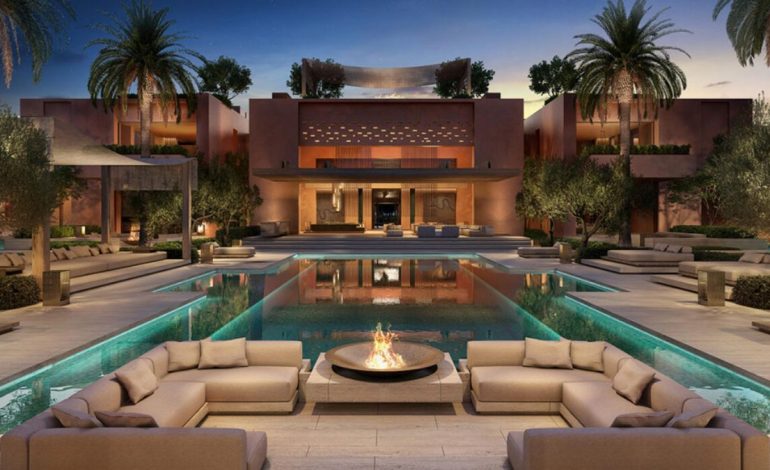

Saudi Arabia’s luxury hospitality sector has a striking new addition: Amansamar, a resort nestled within the dramatic cliffs and valleys of Wadi Safar in Diriyah. The project represents a thoughtful reinterpretation of Najdi architectural tradition, where respect for heritage meets contemporary comfort and design innovation.
The resort was designed by Denniston, led by renowned Belgian architect Jean-Michel Gathy, whose approach prioritized authenticity without sacrificing modern living standards. Rather than creating a nostalgic recreation of historical forms, Gathy’s team translated the fundamental principles of Najdi architecture into a language that speaks to today’s sophisticated travelers.
Tradition Meets Contemporary Comfort
From the outside, Amansamar’s architecture maintains an unmistakable connection to Najdi heritage—the solid walls, distinctive color palettes, and layered composition immediately evoke the region’s building traditions. Yet stepping inside reveals a dramatic shift: spaces are open, flooded with natural light, and connected to sweeping views while still preserving privacy through carefully positioned courtyards.
“Comfort and ease of living are essential,” Gathy explained. “We carefully adapted traditional geometry and proportions to incorporate openings, windows and doors in a way that feels natural.”
This balance between openness and privacy, between honoring tradition and embracing modernity, runs through every aspect of the project. It reflects a philosophical approach rooted in understanding Najdi architecture itself—a typology born from function, privacy, and climate response rather than grand statements or iconic gestures.
Architecture as Part of Landscape
Rather than imposing dramatic forms onto the landscape, Amansamar derives its visual impact from its relationship with the natural environment. Positioned along an escarpment overlooking Wadi Safar, the buildings engage directly with the cliffs, creating what Gathy describes as “a powerful visual presence that emerges organically from the landscape.”
The terrain itself—plateaus, valleys, and dramatic cliff faces—has been incorporated into the design as an asset rather than a constraint. On the plateau, spaces feel intimate and residential, with views focused inward toward landscaped gardens. Along the escarpment, the experience transforms entirely, with architecture opening onto wide vistas across the golf course and surrounding terrain.
Translating Traditional Elements for Modern Living
Central to the masterplan are reinterpreted versions of traditional Najdi urban elements: narrow pathways known as sikkas, communal gathering spaces called barahs, and courtyard-centered homes. Rather than recreate these authentically but uncomfortably, the design team refined them for contemporary expectations.
Proportions were adjusted for ease of movement, seating became more comfortable, and materials were carefully selected to create refined atmospheres. Surfaces were smoothed, flooring was leveled, and soft furnishings, lighting, and landscaping elements were introduced to enhance the overall experience—all while preserving the irregular character and essential spirit of traditional patterns.
Navigating Complex Topography
Designing across Wadi Safar’s challenging terrain presented significant obstacles that ultimately became creative opportunities. With the resort spread across two different elevations, the architects designed the journey between spaces with particular care, ensuring movement through the landscape feels intuitive and beautiful regardless of a guest’s location.
“Regardless of where guests stay, the level of comfort and access to amenities remains consistent,” Gathy said. “The distinction lies in the atmosphere and perspective offered by each setting.”
Part of Saudi Arabia’s Tourism Renaissance
Amansamar arrives at a pivotal moment for Saudi Arabia’s hospitality industry. As the Kingdom expands its luxury offerings under Vision 2030, projects like this demonstrate how heritage and modernity can coexist meaningfully rather than compete.
“What has been particularly inspiring is the opportunity to engage with the Kingdom’s rich architectural heritage and reinterpret it in a way that feels relevant for today,” Gathy reflected. “There is a strong sense of pride in local identity, and that made this project especially meaningful.”
The resort stands as proof that luxury hospitality need not choose between authenticity and comfort, between respect for tradition and embracing contemporary expectations. In Wadi Safar’s stunning landscape, Amansamar achieves both.
Also Read:
Pope Leo XIV Surprises 13 Lebanese Priests With Heartfelt Video Call
Turkiye Raises Alarm Over Energy Supply Risks as Iran War Intensifies