

Kraft Heinz Bets Big on Advertising as Turnaround Strategy Gains Momentum
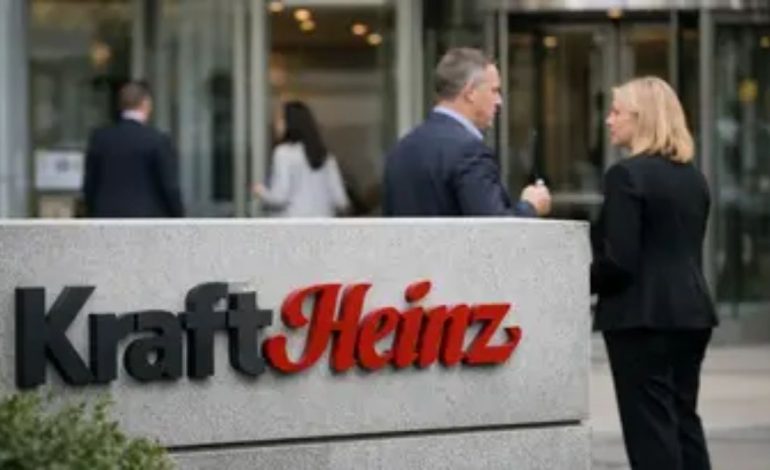

Kraft Heinz is doubling down on advertising as a key engine of its corporate turnaround, significantly increasing marketing spending and forging high-profile partnerships as the company pivots away from plans to split into separate entities.
CEO Steve Cahillane announced that the company spent 37 percent more on marketing in the first quarter compared to the same period last year, with expectations that marketing will consume at least 5.5 percent of annual revenue. The aggressive push reflects confidence that strategic brand investments can drive growth despite challenging consumer spending patterns.
A Strategic Shift Toward Impact
Rather than simply increasing overall marketing budgets, Kraft Heinz is becoming more selective about where it allocates advertising dollars. The company is prioritizing what Cahillane described as “higher-return brand media” and narrowing partnerships to focus on those with proven high impact.
The strategy is already showing results. Return on advertising spend improved by 8 percentage points globally based on recent performance data, suggesting that quality and targeting matter as much as volume when it comes to marketing effectiveness.
A prime example of this selective approach is Kraft Heinz’s new five-year partnership with the NFL, making the company the first official global condiment partner of professional football. The deal offers access to a massive, engaged audience and provides multiple touchpoints for brand messaging throughout the season.
Innovation Targeting Consumer Trends
Beyond advertising, Kraft Heinz is investing heavily in product innovation designed to capture growing consumer interest in health and wellness. The company launched PowerMac in March—a version of Kraft Mac & Cheese fortified with protein and fiber—and has already secured distribution in 35,000 stores while ramping up in-store marketing and media support.
Additional products in development include Capri Sun Hydrate, a functional sports beverage launching in the second quarter, and a lactose-free version of Philadelphia cream cheese coming later in the year. These offerings reflect the company’s recognition that traditional products need to evolve to meet shifting dietary preferences and health consciousness.
Focused Investment on Core Winners
The company has allocated approximately $600 million in available capital to drive improvements across product development, pricing strategy, marketing, sales, and research and development—with the bulk directed toward U.S. markets where growth opportunities remain substantial.
Marketing spending is being strategically concentrated on what Kraft Heinz calls its “Win Big” categories: sauces, cream cheese, mac and cheese, and hydration products. Yet executives indicated the company has significant capacity to increase marketing across its broader portfolio if economic conditions improve as expected.
Measured But Promising Progress
First-quarter results showed net sales growth of 0.8 percent, though organic sales declined 0.4 percent, indicating steady but modest progress. The mixed numbers underscore why Kraft Heinz abandoned its plan to split the company earlier this year—management believed the challenges were fixable through strategic execution rather than corporate restructuring.
“Steady progress” was Cahillane’s characterization of current performance, a measured assessment that reflects both the headwinds the company faces and the confidence leadership has in its recovery plan. With $600 million in capital at its disposal and a marketing strategy delivering improved returns, Kraft Heinz appears to have found a sustainable path forward that doesn’t require dramatic structural change.
The next few quarters will reveal whether increased advertising investment and targeted product innovation can translate into the kind of sales momentum that justifies the company’s more optimistic outlook.
Also Read:
Pope Leo XIV Surprises 13 Lebanese Priests With Heartfelt Video Call
Turkiye Raises Alarm Over Energy Supply Risks as Iran War Intensifies