


Israel Head Towards Elections as Regional Neighbors Watch Closely
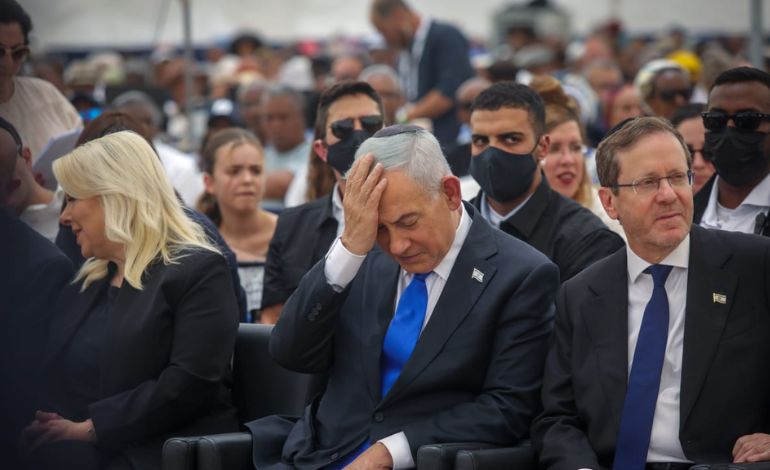

Israel’s neighbors are closely tracking the country’s upcoming elections on October 27, aware that the outcome will carry consequences well beyond its borders.
At the launch of his Likud party’s campaign this month, Prime Minister Benjamin Netanyahu repeated his claim that he has changed the face of the Middle East and vowed to keep doing so. He has been unapologetic about keeping Israeli troops in Lebanon and Syria, while some of his ministers have promoted plans to displace Palestinians from the West Bank and Gaza, a prospect that neighboring Jordan and Egypt warn would create a refugee crisis and make a future Palestinian state impossible. Opinion polls suggest the race will be tight, with Netanyahu and his far-right and ultra-Orthodox allies facing a bloc led by centrist challenger Gadi Eisenkot.
In Jordan, observers say unofficial annexation of the West Bank is gradually creeping forward as Israel’s government, described as the most right-wing in the country’s history, approves an unprecedented number of settlements. Oraib Rantawi, founder of Amman’s Al-Quds Center for Political Studies, said repeated calls from officials to push Palestinians across the Jordan River pose an existential threat to the kingdom, adding that in the medium and long term, Jordan and Israel are on a collision course. King Abdullah II told the UN on Tuesday that the Israeli government’s expansionist appetite is now a regional threat. Jordan signed a peace treaty with Israel in 1994, and Rantawi said the minimal level of political engagement it maintains is unlikely to change regardless of the election result.
Egypt, which has kept a cold peace with Israel since first recognizing it in 1978, maintains extensive security cooperation with its neighbor, though ties have grown increasingly strained as Cairo says it has had to resist repeated efforts to push more than two million Palestinians into its territory. Former ambassador El-Sayed Shalaby said the best-case outcome would be a government that is less ideologically driven and more focused on security, which could ease tensions around Gaza even without shifting Israel’s fundamental position. Foreign Minister Badr Abdelatty told AFP that Egypt will deal with any government that emerges, while blaming Netanyahu for obstructing the ceasefire plan Egypt helped broker.
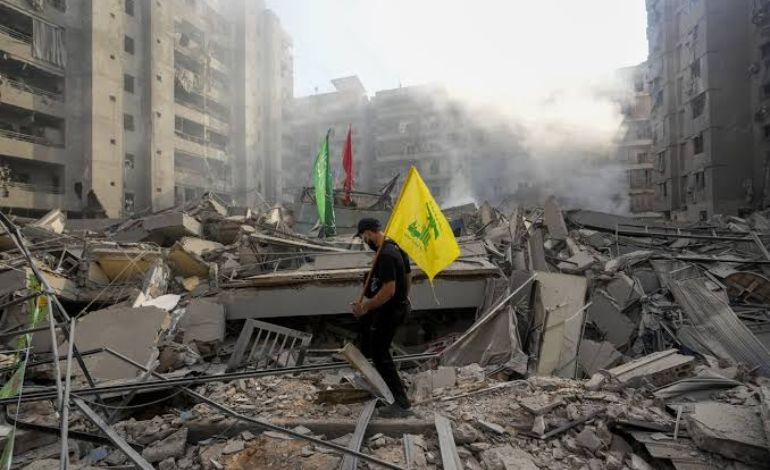
In Lebanon, Israeli attacks and the invasion of the south have killed more than 4,300 people and displaced 329,000 since March, even as Beirut pursues gradual talks with Israel focused on disarming Hezbollah. Parliament Speaker Nabih Berri said this month that Israel is turning southern Lebanon into a ballot box soaked in blood ahead of the vote. A former Lebanese minister and diplomat, speaking anonymously to AFP, said Lebanon isn’t optimistic, arguing that even if Eisenkot’s rhetoric is less radical, the policy on the ground will stay largely the same as long as the far right retains influence. President Joseph Aoun told AFP the elections are an internal Israeli matter, but said the question for the Israeli people and all future governments is whether they want stability, security and no wars on their border.
In Syria, Israel has launched hundreds of strikes, deployed troops into a UN-patrolled buffer zone on the Israeli-annexed Golan Heights, and carried out regular incursions since the ousting of Bashar Assad in December 2024. A Syrian diplomatic source told AFP that for Damascus, the question isn’t whether the elections will completely change the rules of the game, but whether they’ll produce a government less inclined toward escalation and more willing to listen to Washington. The source said either a centrist government or a right-wing one no longer revolving around Netanyahu could prove less inclined to seek political capital from escalation and more open to gradual security understandings.
Also Read:
Saudi Arabia Pushes for Gaza Reconstruction and Unobstructed Aid
Washington Strengthens Saudi Defense Support as Houthi Attacks Intensify