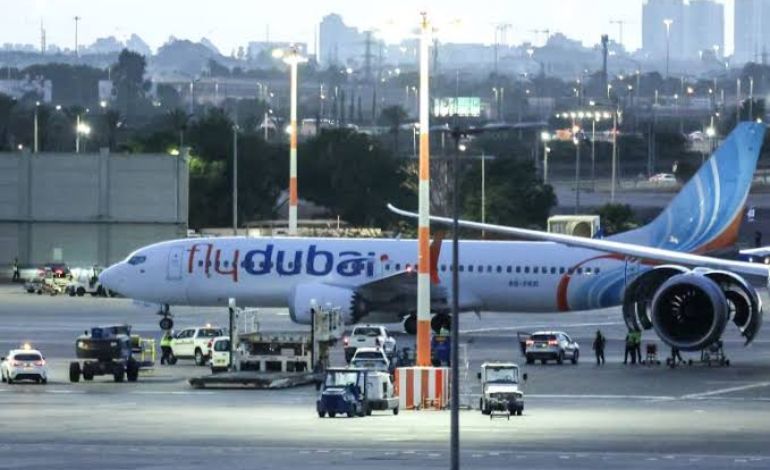

Washington Strengthens Saudi Defense Support as Houthi Attacks Intensify
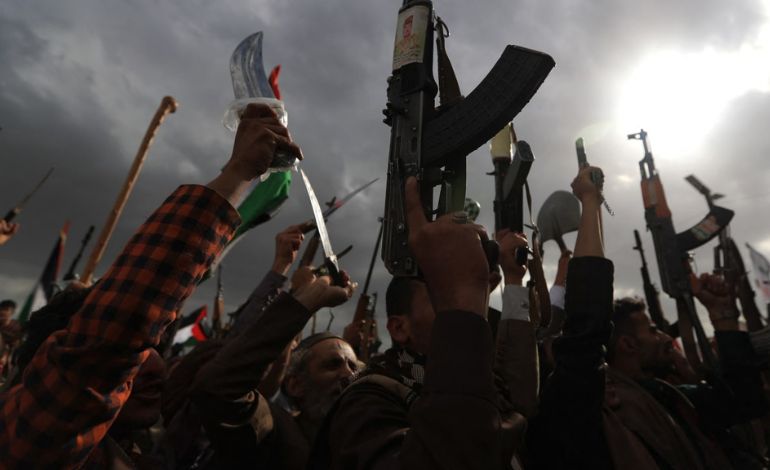

As Houthi attacks on Saudi Arabia escalate, the real value of Washington’s renewed defense assurances will come down to how that support is actually delivered, according to Abdulaziz Sager, founder and chairperson of the Gulf Research Center. He told Arab News that for Riyadh, that support rests on three areas: military equipment, operational expertise and intelligence, with the immediate question being how the US puts its commitments into practice rather than whether it will honor them at all.
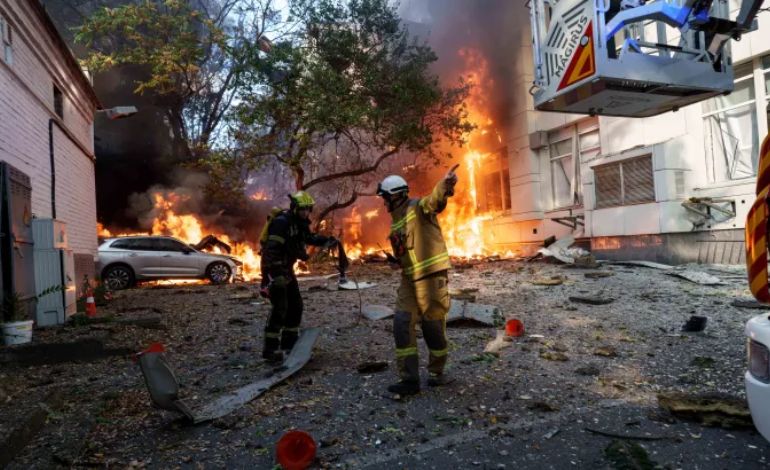
The assessment follows a wave of recent attacks. On Thursday, the Coalition to Support Legitimacy in Yemen said Saudi air defenses intercepted six ballistic missiles fired by the Houthis toward Taif and Yanbu, with damage or casualties not immediately clear, according to Reuters. Coalition spokesperson Maj. Gen. Turki Al-Maliki said escalations and violations by the group would be dealt with firmly. The Houthis separately claimed, without offering evidence, that they had struck military sites in Jazan using missiles and drones.
The developments came a day after US Secretary of State Marco Rubio said Washington would honor its defense commitments to Saudi Arabia and was closely monitoring the regional situation. Asked whether President Trump was prepared to take further action against the Houthis, Rubio said the US has a very strong defense agreement with Saudi Arabia, and reiterated that Washington was living up to those commitments, while declining to specify what additional steps Trump might take, saying only that he had many options available.
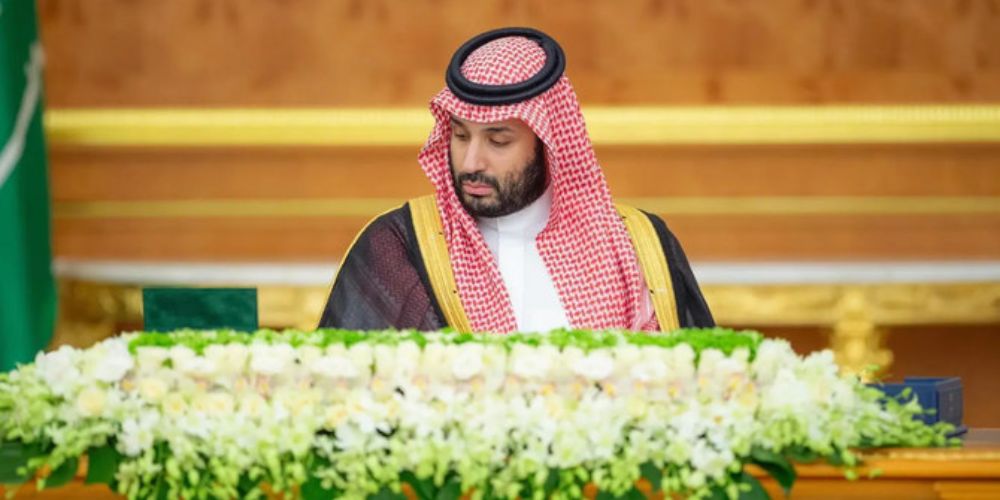
Sager said the distinction between practical defense assistance and direct US intervention is central to understanding that pledge, characterizing Rubio’s remarks as a commitment to continue existing defense support rather than a promise that American forces would fight on Saudi Arabia’s behalf. The US-Saudi Strategic Defense Agreement, signed in November 2025, built on more than eight decades of defense cooperation, with the White House describing its goals as strengthening the partnership and reinforcing deterrence across the region. Sager said Riyadh would expect help with threat planning, alongside timely intelligence and satellite imagery to defend its territory and infrastructure, though Rubio’s comments left open whether Washington would take a direct military role if the crises in the Strait of Hormuz and Red Sea intensify further.
Neil Quilliam, an associate fellow with Chatham House’s Middle East and North Africa Programme, offered a more skeptical read, describing Rubio’s remarks as essentially a sop to Riyadh that offered reassurance without removing the ambiguity surrounding US support. He said Rubio reaffirmed the 2025 defense agreement but avoided any promise of automatic military intervention should the situation in the strait or the Red Sea worsen.
The pressure on Gulf states has been substantial since the war with Iran began. An Arab News analysis from March found that Gulf Cooperation Council members had absorbed 83 percent of Iranian missile and drone attacks tallied since the conflict started on February 28, compared with 17 percent aimed at Israel. Adm. Brad Cooper, commander of US Central Command, told Congress in May that regional missile defenses had intercepted more than 6,000 attack drones and over 1,500 ballistic missiles targeting US and partner forces.
Houthi attacks have intensified further over the past month. On September 8, a wave of strikes wounded 73 people and sparked fires that halted operations at some energy facilities, according to Saudi authorities. The following day brought further missile and drone attacks on Abha, Khamis Mushayt and Jazan, and by September 19 the escalation had reached Riyadh itself, with the coalition reporting an intercepted ballistic missile aimed at the capital and thwarted attacks on Yanbu, Taif, Baish and Farasan.
Energy infrastructure has faced pressure from multiple directions. Saudi Arabia attributed a drone attack that forced the closure of its East-West Pipeline on September 11 to Iraqi militias, though Reuters reported this week that pipeline operations have since restarted. The pipeline provides Saudi Arabia an alternate route for crude exports to the Red Sea when passage through the Strait of Hormuz is disrupted, meaning its protection depends on securing both the infrastructure itself and the shipping lanes it feeds into. Rubio described attacks on regional energy infrastructure as very disturbing, though he did not directly address reports that Riyadh had requested US intervention. Separately, a Houthi military adviser told AFP the group would target US interests in the region if Washington intervened directly in Yemen.
Sager said a key test of the defense agreement will be whether Washington treats the Strait of Hormuz and the Bab Al-Mandab Strait as part of the same security challenge, warning that if Houthi attacks on Saudi Arabia or shipping near Bab Al-Mandab intensify while US attention stays focused mainly on Hormuz, Rubio’s pledge will come under real scrutiny. Quilliam outlined similar flashpoints, pointing to a major strike causing substantial infrastructure damage or civilian casualties, or a sustained campaign against Red Sea shipping that disrupts exports and rattles global energy markets, as scenarios that could test Washington’s resolve. He suggested the US might act before either scenario fully plays out, noting that Washington appears to be preparing for another round of escalation against Iran and could use that as an opportunity to intensify operations against the Houthis, with Rubio’s remarks possibly intended to reassure Riyadh ahead of any expansion in US military activity.
The security discussion is unfolding alongside deepening bilateral ties on other fronts. In July, Washington and Riyadh signed a peaceful nuclear cooperation agreement establishing a legal basis for US involvement in Saudi Arabia’s civilian nuclear program. Quilliam cautioned that this broader relationship provides context for Rubio’s assurances but doesn’t itself determine when Washington would commit forces to another military campaign, noting that the Trump administration’s America First approach means it will only intervene where doing so serves that interest. He said Gulf decision-makers have learned over the past decade, and especially under the current administration, that US policy is unpredictable and poorly served by any single overarching strategy, pushing regional governments to plan for multiple scenarios and take more responsibility for their own security.
For Sager, the clearest measure of the partnership remains the practical support available to Saudi Arabia across its interconnected threats, warning that protecting navigation in the Gulf while leaving the Red Sea exposed would address only part of the challenge Riyadh faces.
Also Read:
Marawah Open-Air Theater Puts Al-Baha’s Cultural Heritage in the Spotlight
Saudi Arabia Plans Advanced Animal Research Facility in Riyadh

















1 Comment
[…] Saudi Arabia September 25, 2026 […]