
The IMF says the Gulf’s Worst Oil Shock will Leave Enduring Wounds
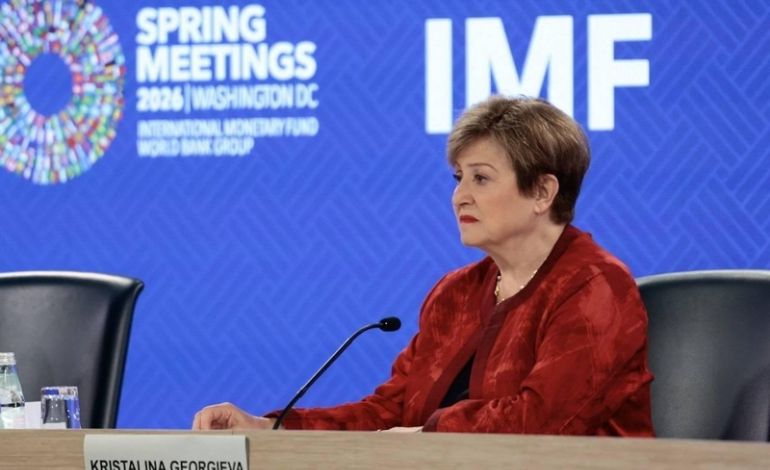

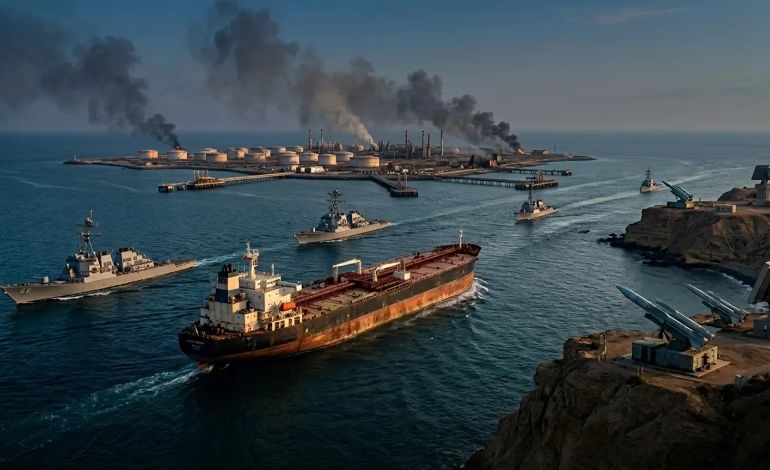
The US-Israeli war with Iran has affected Gulf states harder than the rest of the Middle East and North Africa region, and even a strong rebound next year will not be enough to reverse the economic losses, according to the International Monetary Fund.
The shock has caused the IMF to encourage GCC nations to rebuild together through stronger regional linkages in areas such as energy and security, rather than pursuing self-reliance in isolation.
The IMF predicts that the GCC economy will decrease by 4.8% in 2026, with oil sector output plummeting 14%. The drop in oil output outpaces the 5.4 percent drop during the Covid-19 pandemic. Cumulative economic output for 2026-2030 is likely to stay below pre-war levels, with non-oil industries accounting for the majority of the long-term harm.
This is the largest oil shock in history [for the Gulf],” said Jihad Azour, IMF Middle East and Central Asia director. “In terms of drops in volumes, this is the largest we saw in the last half century.”
Oil and gas exports from the Gulf and Middle East decreased from 33 million barrels per day in February, shortly before the conflict began, to around 19 million in May. Qatar had a drop of up to 86%.
Alternative export pipelines have helped to insulate Saudi Arabia and the UAE, while Oman is the only GCC economy forecast to grow this year. The IMF predicts non-oil GDP to fall by 0.8 percent this year, reversing 4.5 percent rise in 2025.
Also Read:
Japan’s Trade Gap Widens as oil Imports Surge Amid Middle East Turmoil
UN Chief Says the World is Dangerously Short on Climate Action