



Israel Faces Pressure From Canada Over Flotilla Incident Investigation


Canadian Prime Minister Mark Carney has sharply escalated criticism of Israel’s handling of activists detained aboard a Gaza-bound aid flotilla, describing the treatment as “appalling” and calling for an independent investigation. The rebuke underscores how significantly relations have deteriorated between Israel and Canada, traditionally close allies.
Carney told Israeli President Isaac Herzog on Monday that the detention and treatment of activists, including Canadian citizens, was unacceptable. Canadian Foreign Minister Anita Anand separately raised the issue with Israeli Foreign Minister Gideon Saar, providing evidence of alleged mistreatment and noting that denying detained Canadians access to consular services violated international conventions.
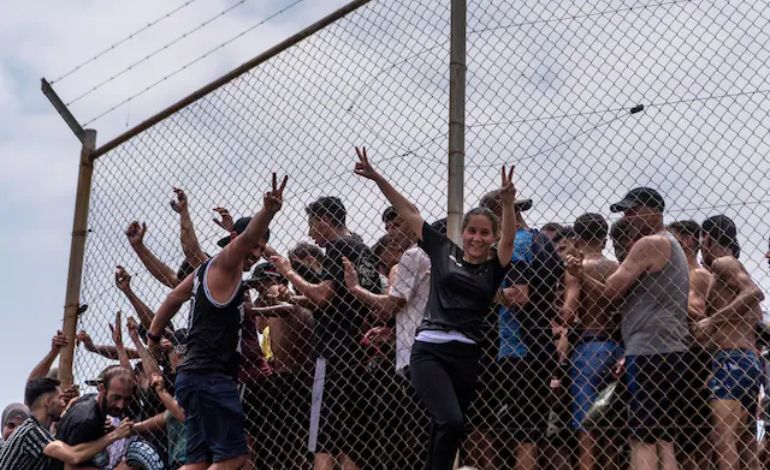
The pressure reflects serious allegations emerging from the flotilla incident. Activists released after detention reported abuse, with several hospitalized with injuries. At least 15 people reported sexual assaults, including rape, according to organizers. Israel’s prison service has denied the allegations.
Deteriorating Bilateral Relations
The flotilla dispute illustrates the broader strain between the two nations. Israel’s ambassador to Canada told the Globe and Mail newspaper last week that bilateral government-to-government relations had reached their worst point ever. Carney’s statement Monday broadened this critique beyond the flotilla incident to include opposition to Israeli settlement expansion, settler violence in the West Bank, and violence against Palestinian civilians.
“The appalling treatment of civilians, including Canadian citizens, aboard the Gaza-bound flotilla was unacceptable, and he called for an independent investigation,” Carney’s office stated.
Anand emphasized the legal dimensions of the dispute, noting that denying Canadian citizens access to consular services while detained violates the Vienna Convention on diplomatic relations. “This must never happen again,” she said.
Israeli Response
Israeli officials disputed the characterization of events. Saar responded to Anand by asserting that the activists had been “inspired by Hamas.” He also raised concerns about antisemitic incidents in Canada, citing statistics of 19 incidents per day on average and calling on the Canadian government to take action against antisemitic incitement and attacks.
Israel’s prison service has denied allegations of mistreatment of the detained activists.
The Broader Context
The flotilla incident touches on deeper disagreements between Canada and Israel regarding Gaza policy, settlement expansion, and Palestinian rights. Carney’s statement represents a significant escalation from Canada’s traditionally cautious approach to Israeli-Palestinian issues, signaling that the government is willing to openly criticize Israeli actions at high political levels.
The deterioration of Canadian-Israeli relations represents a notable shift for two countries that have maintained close security, trade, and cultural ties. The fact that Canada is now publicly criticizing Israel at the highest levels—and that Israel’s ambassador characterizes relations as historically poor—indicates genuine tension rather than routine diplomatic disagreement.
Consular and Human Rights Dimensions
The dispute over consular access highlights a specific legal issue: the treatment of foreign nationals detained by Israeli authorities. Anand’s invocation of the Vienna Convention suggests Canada views Israel’s conduct as violating fundamental diplomatic protocols, adding a formal legal dimension to the dispute beyond humanitarian concerns.
The allegations of sexual assault and other abuse, if substantiated, would represent serious human rights violations. An independent investigation, as Carney requested, would be necessary to establish facts that both governments have disputed.
Looking Forward
The public nature of Canada’s criticism, delivered at the highest political levels and including evidence sharing, suggests this is not a matter Canada intends to resolve quietly through back-channel diplomacy. The escalation indicates the issue will likely remain a significant point of tension between the two countries.
For Israel, the criticism from Canada—a Western ally—reflects broader international concern about civilian treatment and detention practices. For Canada, the public stance demonstrates a willingness to prioritize human rights concerns over traditional alliance relationships.
Also Read:
Tunisian Telecom App Breach Sends Anti-Authority Messages to Users