



Tragedy Strikes as Indonesian Volcano Erupts, Killing Three Trekkers
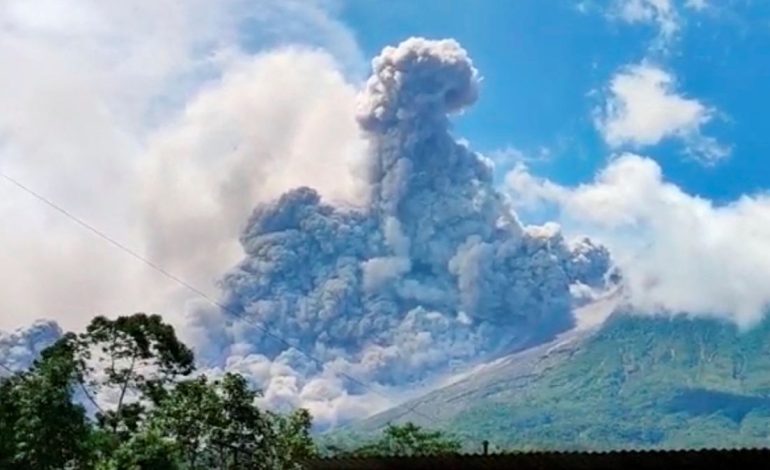

A violent eruption of Mount Dukono on Indonesia’s remote island of Halmahera claimed the lives of three climbers Friday, highlighting the dangers of ignoring official restrictions around one of the world’s most active volcanoes.
The eruption occurred at 7:41 a.m. local time, sending an ash column roughly 10 kilometers into the atmosphere and producing seismic activity recorded for more than 16 minutes. Two Singaporean men and one Indonesian woman died at the scene. Five others were injured in the incident.
About 20 climbers had set out Thursday to ascend the nearly 1,355-meter volcano despite clear warnings that the area was restricted due to its high alert status. Rescue teams were activated after receiving emergency signals from climbers on the mountain, and by Friday afternoon, 17 people had been safely evacuated.
A Restricted Zone for Good Reason
Indonesian authorities have long maintained a 4-kilometer danger zone around Dukono’s crater, citing hazards including explosive eruptions, ashfall, and toxic gases. Officials believe the climbers were inside this restricted area when the eruption occurred.
Despite warning signs posted at the site and repeated cautions on social media, climbers continue to venture into dangerous areas. Police officials attributed this partly to the desire to create online content, with many people willing to risk their lives for social media engagement despite explicit warnings.
“They were aware that climbing was prohibited as the mountain is a restricted zone due to its high alert status, but insisted on going ahead,” said North Halmahera police chief Erlichson Pasaribu.
Ongoing Volcanic Activity and Hazards
Mount Dukono is one of Indonesia’s most continuously active volcanoes, erupting almost without interruption since 1933. The volcano currently sits at the second-highest alert level, with volcanic activity escalating significantly since late March. Authorities report an average of approximately 95 eruptions daily during the current period.
“Friday’s eruption was among the strongest during this period,” said Lana Saria, head of Indonesia’s Geology Agency. Ash clouds ranging from white to gray and black were blown northward from the summit, posing potential health risks to nearby settlements including the town of Tobelo.
Authorities have also warned of secondary hazards, particularly volcanic mudflows that could travel along rivers during heavy rainfall, creating additional dangers for residents in affected areas.
Indonesia’s Volcanic Challenge
Mount Dukono’s deadly eruption underscores the constant volcanic risks facing Indonesia, which sits along the Pacific “Ring of Fire”—a region of intense seismic and volcanic activity. The country is home to more than 120 active volcanoes, making it one of the world’s most volcanically active nations.
Rescue operations were halted Friday evening due to darkness and dangerous conditions, preventing teams from recovering the bodies. Search and rescue efforts were scheduled to resume early Saturday morning, though continued volcanic activity and deteriorating conditions present ongoing challenges.
A Preventable Tragedy
The incident serves as a stark reminder of the importance of heeding official safety guidance. Authorities have stressed that restrictions exist to protect lives, not to limit recreational opportunities. The deaths at Mount Dukono represent a tragic cost of ignoring those protections.
Officials urged residents, tourists, and climbers to remain calm, follow official guidance closely, and respect restricted zones as monitoring of Mount Dukono’s volcanic activity continues. As Indonesia faces elevated volcanic activity across multiple sites, public compliance with safety measures remains critical to preventing future tragedies.
Also Read:
Top 7 Promotional Gifts That Keep Your Brand Memorable
Fresh Drone and Missile Attacks Shake UAE Amid Fragile Iran Ceasefire