




Fresh Drone and Missile Attacks Shake UAE Amid Fragile Iran Ceasefire

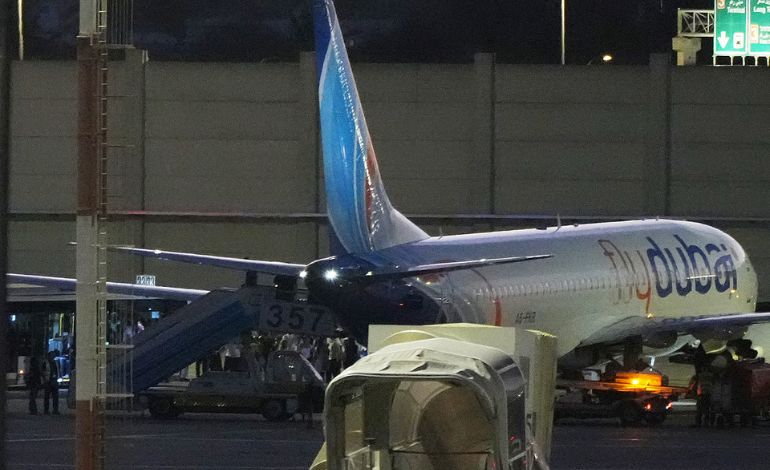
The United Arab Emirates braced for another barrage of Iranian drone and missile fire early Friday as the delicate ceasefire between Iran and the United States showed signs of unraveling under mounting military pressure.
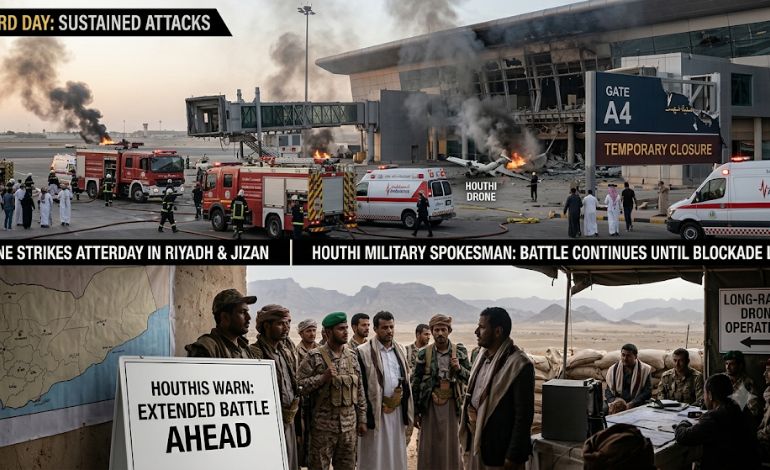
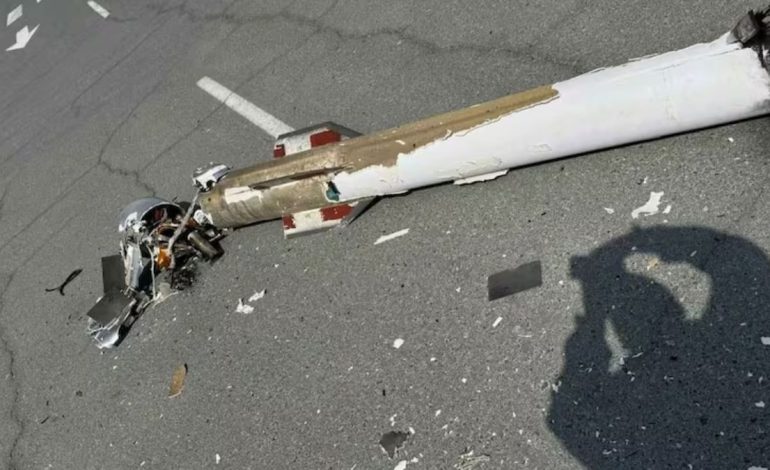
The UAE’s Ministry of Defense announced that the country’s air defense systems were “actively engaging” with incoming missiles and drones, advising residents to avoid approaching debris from successful interceptions. The attack marked the third assault on UAE territory in as many days, breaking a month-long period of relative calm.
Ceasefire Under Strain
The latest violence comes despite a ceasefire agreement between Iran and the United States that has officially held since April 8. However, both sides have continued conducting military operations, and the agreement’s viability now appears increasingly questionable.
Hours before the UAE attack, the US military intercepted Iranian attacks on three Navy ships in the Strait of Hormuz on Thursday night, responding with strikes against Iranian military facilities. US Central Command confirmed it had defended American forces against what it described as “unprovoked Iranian attacks,” emphasizing that no ships were hit.
President Trump told reporters the ceasefire remained technically in place despite the escalating military clashes, though the statement appeared increasingly hollow given the pattern of violations.
Escalating Toll on the UAE
The UAE has borne the brunt of Iran’s military campaign throughout the conflict, which began February 28 when the US and Israel launched strikes against Iranian targets. According to UAE officials, the country has endured more than 2,000 drone attacks, hundreds of ballistic missiles, and dozens of cruise missiles since hostilities erupted.
While most weapons were intercepted by air defenses, the assault has exacted a heavy human and economic cost. At least 13 people have been killed, more than 200 wounded, and significant damage has been inflicted on energy infrastructure and landmark buildings.
The resumption of attacks Monday and Tuesday represented the first strikes since the April 8 ceasefire, signaling Tehran’s willingness to resume pressure if negotiations fail.
Moving Toward Accountability
Recognizing the scale of damage, the UAE announced the formation of a national committee Thursday tasked with documenting Iranian attacks and compiling evidence for possible legal action against Tehran. The committee, chaired by the UAE attorney general, will record the human, economic, and material consequences of what officials described as Iranian acts of aggression.
The effort signals the UAE’s intention to pursue accountability through international legal channels if diplomatic efforts continue to falter. The move also reflects broader frustration among Gulf Arab states, many of which have faced repeated attacks despite maintaining official distance from the US-Israeli military campaign.
Negotiations at an Impasse
Direct talks between the US and Iran hosted by Pakistan last month failed to produce a broader agreement to end the war. Without a comprehensive settlement, the ceasefire appears destined to remain fragile, vulnerable to violations by either side seeking tactical advantage.
The renewed attacks suggest that military pressure continues to drive decision-making on both sides, with diplomacy struggling to establish enforceable mechanisms or trust between parties locked in a protracted regional conflict.
Also Read:
Pope Leo XIV Surprises 13 Lebanese Priests With Heartfelt Video Call
Turkiye Raises Alarm Over Energy Supply Risks as Iran War Intensifies