




Most Shipping Traffic Avoids Hormuz Strait Through Omani Route
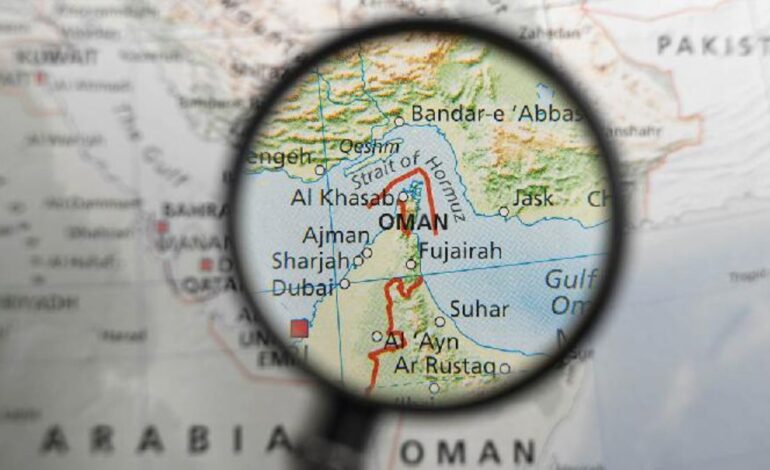

More than 80 percent of vessels transiting the Strait of Hormuz over the past two weeks have opted for the Omani route, a UN-authorized shipping channel, according to Kpler data cited by CNN.
Homayoun Falakshahi, head of crude oil analysis at Kpler, said the shift suggests Iran has at least partially lost control of the strait — a sharp reversal from just a month ago, when traffic through the Omani route was virtually nonexistent. The change has also stopped Iran from collecting tolls on ship traffic, something it had done earlier in the spring.
Dan Pickering, founder of Pickering Energy Partners, said most shippers in the region have resisted Iran’s toll demands, making the Omani route the more practical choice. Iran and Oman have spent weeks discussing the waterway’s future, with Tehran saying the coordinates of a proposed shared route have already been agreed upon. Under the emerging plan, ships would enter the Gulf through an Iranian-controlled path and exit via an Omani-controlled one, with fees charged for security and environmental upkeep, according to two regional officials.
Iran’s top negotiator, Mohammad Bagher Qalibaf, said this week that the strait will remain closed until the US meets Tehran’s demands, including lifting a naval blockade. Overall shipping through Hormuz has slowed, with just six commodity vessels crossing on Tuesday — down from nine the day before and below the 10-day average of 11.
President Trump said Tuesday that no talks were underway with Iran and maintained that the strait remains open, contradicting Tehran’s position. The waterway normally handles about a fifth of the world’s crude oil and liquefied natural gas shipments.
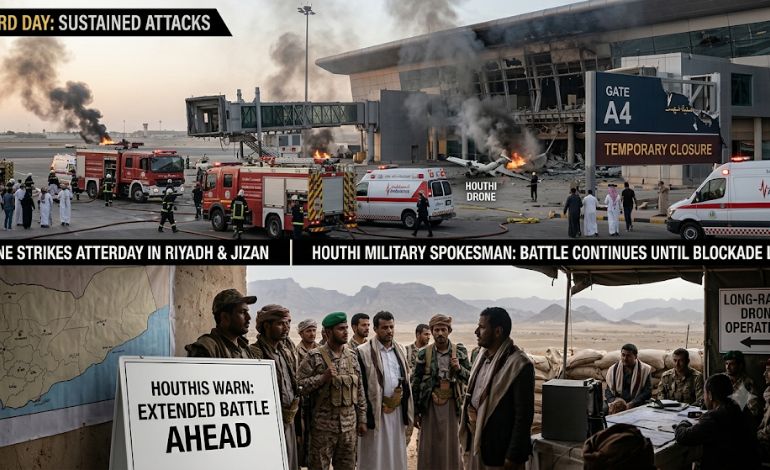
Adding to the disruption, two major Chinese shipping companies that once carried roughly half of China’s Middle Eastern oil imports have kept their tankers out of both the Strait of Hormuz and the Bab El-Mandeb strait since late July, according to tanker tracker Vortexa and a ship broker. Meanwhile, at Bab El-Mandeb, where Yemen’s Houthis declared a naval blockade on Saudi Arabia on July 20, weekend vessel transits rose to 30, up from 19 the prior week — though no Saudi oil shipments were tracked.




























1 Comment
[…] Most Shipping Traffic Avoids Hormuz Strait Through Omani Route […]