



Saudi Arabia Reports 2.4% Increase in Construction Costs for April
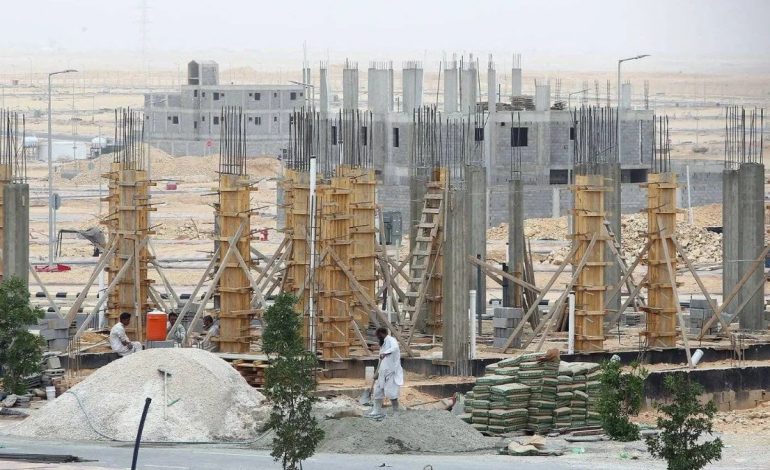

Saudi Arabia’s Construction Costs Rise 2.4% as Major Projects Drive Demand for Equipment and Labor
Saudi Arabia’s construction sector is experiencing steady cost increases, with the Construction Cost Index climbing 2.4 percent year-on-year in April as equipment rental and labor expenses continue rising across both residential and non-residential segments.
The increase reflects sustained demand from large-scale projects funded under Vision 2030, including the Neom megacity, the Qiddiya entertainment complex, and the Red Sea Project tourism development. These ambitious initiatives have driven demand for contractors, machinery, and building materials, putting upward pressure on construction input costs.
Equipment Rental Leads Cost Increases
Equipment and machinery rental costs represent the most significant driver of rising construction expenses. In the residential sector, equipment rental costs surged 4.7 percent annually, with equipment rental involving operators climbing 6.3 percent. This outpaced other cost categories, reflecting competition for machinery and rental equipment as multiple major projects compete for resources.
The non-residential sector experienced even steeper equipment cost increases. Equipment and machinery rental jumped 6.7 percent, with operator-assisted equipment rental advancing 8.5 percent. These dramatic increases suggest real constraints on equipment availability and intense bidding for scarce machinery resources.
Labor and Energy Pushing Costs Higher
Labor costs also contributed meaningfully to construction price inflation. The residential sector recorded 2.8 percent annual increases in labor expenses, while the non-residential sector saw labor costs rise 3 percent. Energy prices climbed 3 percent in the residential sector and 3 percent in non-residential construction.
Basic materials showed more modest increases. Residential construction materials rose 1.2 percent annually, with timber and joinery prices jumping 3.3 percent and plastic and glass products advancing 2.1 percent. Non-residential basic material costs increased 1 percent, reflecting more stable pricing in this category compared to equipment and labor.
A Sector in Transition
These construction cost increases come amid a more complex picture in Saudi Arabia’s broader real estate market. While construction input costs are rising, the Kingdom’s real estate price index declined 1.6 percent year-on-year in the first quarter—a divergence that reflects specific market dynamics.
The decline was driven primarily by a 3.6 percent drop in residential property prices, suggesting some moderation in the residential real estate sector even as construction costs continue climbing. This apparent contradiction reflects how construction costs and final property prices respond to different market forces—input costs reflecting supply constraints and demand from megaprojects, while residential property prices reflect broader housing market dynamics and affordability pressures.
Monthly Momentum
On a monthly basis, the Construction Cost Index increased 0.5 percent in April compared to March, with both residential and non-residential sectors recording identical gains. This modest monthly increase suggests relatively stable month-to-month pricing despite the more pronounced year-over-year trends.
The index, which tracks changes in 51 construction-related items across 13 regions through field surveys of contractors and suppliers, provides a comprehensive view of actual pricing pressures contractors face when bidding on projects and sourcing materials.
Market Outlook
Despite near-term cost pressures, forecasters project robust long-term growth for Saudi Arabia’s construction sector. Property consultancy Knight Frank estimated the Kingdom’s construction output would reach $191 billion by 2029—a 29 percent increase from 2024 levels. Market research firm IMARC Group projected the construction market could be valued at $140.4 billion by 2034, representing a compound annual growth rate of 3.6 percent from 2026.
These projections reflect confidence that Vision 2030 projects and broader economic diversification will continue driving construction demand despite near-term cost pressures. As the Kingdom presses forward with megaprojects and infrastructure development, construction costs appear likely to remain elevated until supply constraints ease and competition for equipment and labor moderates.
The Construction Cost Index movements reveal the real economic pressures facing Saudi Arabia’s construction sector—pressures that reflect both opportunity (demand from major projects) and challenge (constrained supply of equipment and skilled labor). Navigating this tension will be critical to keeping Vision 2030 developments on schedule and within budgeted parameters.
Also Read:
Dubai Sees 30% Jump in Gold Jewellery Demand After India Raises Import Duty
SpaceX IPO Could Break Records as Musk Targets $75 Billion Raise