


US Military Operation Targets Multiple Iranian Sites Amid Regional Tensions
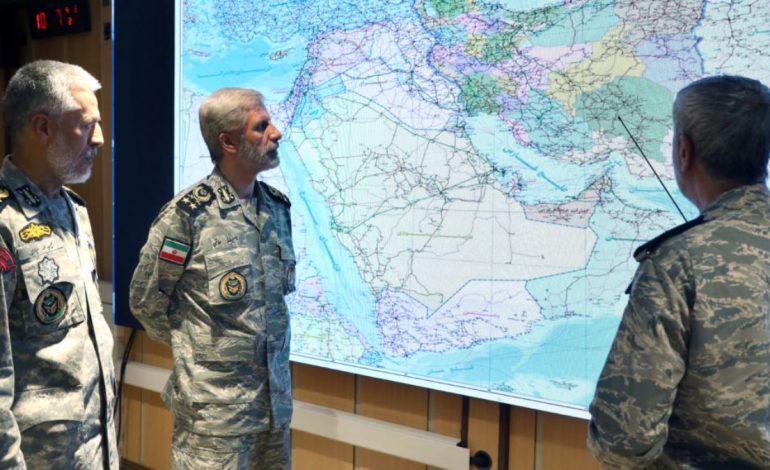

WASHINGTON — The US military completed a new round of strikes in Iran on Monday aimed at preventing the Islamic republic from attacking shipping in the vital Strait of Hormuz, as tensions between the two countries continued to escalate.
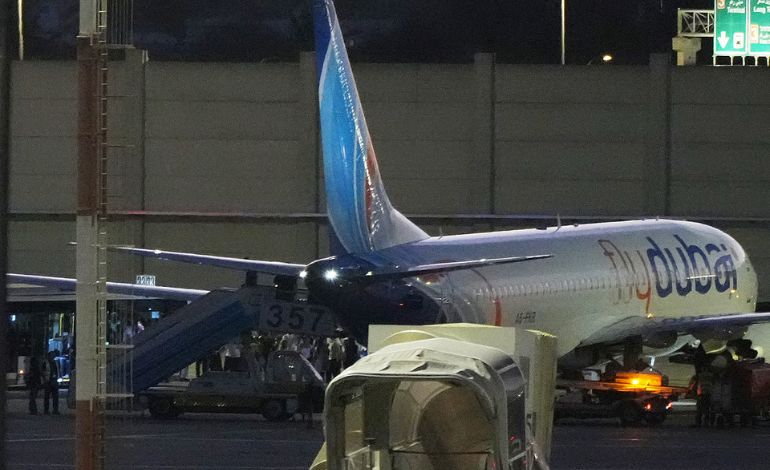
CENTCOM said forces struck Iranian military air‑defence systems, coastal radar sites, missile and drone capabilities, and small boats, using fighter aircraft, naval vessels, and aerial and sea drones. The strikes followed an Iranian attack early Sunday on a commercial ship in the strait, whose crew was forced to abandon it after it caught fire.
Iran condemned the latest US attacks, saying they had “rendered futile” months of diplomatic efforts aimed at ending the conflict. “The US regime has also caused the return of insecurity in the Strait of Hormuz and disruption of international commercial shipping,” Iran’s foreign ministry said in a statement.
Despite the escalating military confrontation, commercial traffic continued through the strategic waterway. Over the past 24 hours, about 20 commercial vessels transited the strait in coordination with the US military, while several others made the passage independently.
Casualties and Regional Fallout
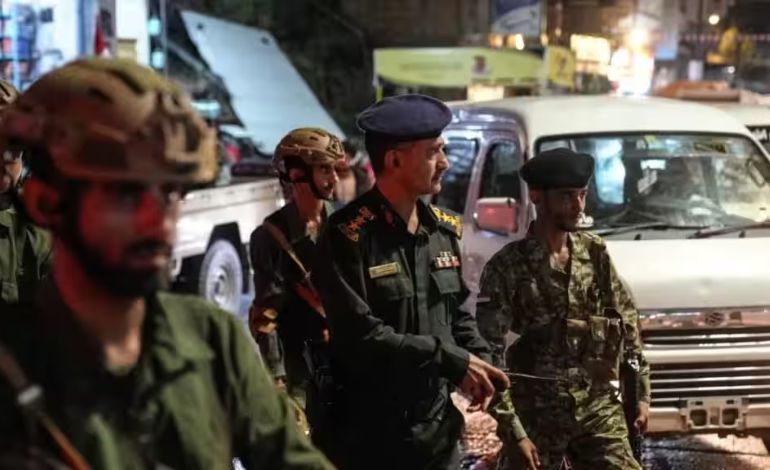
Iranian state media reported US strikes targeting large areas across southern and western Iran, including Qeshm Island and Bandar Abbas near the strait, and in Khuzestan province bordering Iraq. The governor of Qeshm Island said projectiles targeted military facilities without causing casualties. However, strikes on the island of Farur killed a telecommunications worker and wounded two others, while a water pumping station in Mahshahr saw one dead and four wounded.
Kuwait reported damage to three land border posts and an offshore drilling platform targeted by a hostile drone, with one person injured. Jordan said three Iranian missiles fell inside the kingdom. Oman, rarely targeted, was also hit, prompting Muscat to summon the Iranian ambassador — a rare move for the sultanate, which has been balancing competing demands from Washington and Tehran.
Strait of Hormuz Disrupted
Iran’s Revolutionary Guards said after Sunday’s ship attack that “the Strait of Hormuz will be closed until further notice and until the end of American interventions in this region.” CENTCOM countered that the strait was “open to all vessels seeking to lawfully transit,” adding that US forces were “positioned and prepared to ensure” freedom of navigation.
Control of the strategic waterway has become key leverage for Iran, with an adviser to the country’s supreme leader saying it was more important than “dozens of atomic bombs.” Mediators have been trying to salvage a diplomatic solution, with Pakistan’s foreign minister calling for “de‑escalation” and saying “dialogue and diplomacy remain the only viable path.”
Broader Context
The flare‑up is the latest to undermine an interim agreement between Washington and Tehran aimed at ending their war, which has caused global economic shockwaves since it began in late February. President Donald Trump this week declared the ceasefire over and warned that any attempt to assassinate him would lead the US to “completely decimate” Iran.
UN Secretary‑General António Guterres called for peace, with his spokesman saying “these attacks must stop.” The fighting has forced ships to abandon their crews and has drawn in multiple regional countries, raising concerns the conflict could spread across the Gulf.
Also Read:
Saudi Non-Oil Economy Boosts Business Confidence to Its Highest June Reading
Saudi Arabia Celebrates Six Award-Winning Digital Projects at WSIS 2026