



Lebanon Civil Defense Mourns Rescuer Killed in Israeli Airstrike
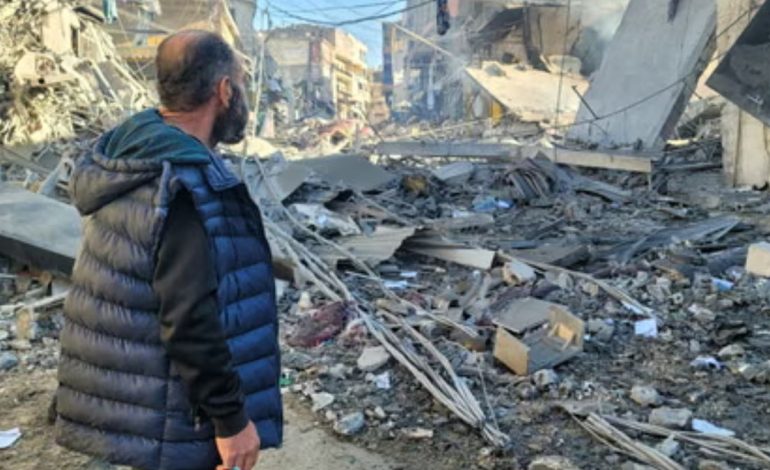

Lebanon’s civil defense mourned the loss of one of its rescue workers Friday, killed in an Israeli airstrike in southern Lebanon just a day after another rescue personnel died in a similar strike. The deaths underscore the fragility of the ceasefire that took effect in April amid continued military operations.
The civil defense confirmed that their rescuer was killed “as a result of an Israeli strike that targeted him” while traveling on a road between two southern towns. The incident marks the second consecutive day a rescue worker has been killed, with a member of the Hezbollah-affiliated Islamic Health Committee struck and killed on Thursday.
Attacks on Healthcare Workers Mounting
The targeting of rescue and healthcare personnel reflects a broader pattern of violence against Lebanon’s medical infrastructure. The World Health Organization reported this week that it had verified 152 attacks on healthcare facilities since the conflict began on March 2, resulting in 103 deaths and 241 injuries across the country.
These figures underscore the severity of the humanitarian toll the country is experiencing, even as a ceasefire nominally remains in place. Healthcare workers and rescue personnel are among the most vulnerable during armed conflict, as their work often takes them into active conflict zones to provide life-saving assistance.
A Ceasefire Under Strain
The death of the civil defense rescuer on Friday came despite the ceasefire agreement that has been officially in effect since April 17. However, both Israeli and Hezbollah forces have continued military operations in violation of the truce, indicating that the agreement remains tenuous and inadequately enforced.
The targeting of rescue workers represents a particularly troubling dimension of the ongoing conflict. Civil defense and medical personnel operate under strict humanitarian principles, marked by neutral insignia, and are protected under international law. Their deaths raise urgent questions about compliance with established conventions for protecting those engaged in emergency response work.
The Human Cost Continues
Lebanon’s rescue and medical communities face an impossible situation—continuing their essential work in saving lives while facing direct threats from military strikes. The deaths this week serve as a reminder that civilians who work in emergency services bear an extraordinary burden during periods of conflict, even when official ceasefire agreements are supposedly protecting the population.
The international community’s attention to these incidents and the verification of healthcare attacks by the World Health Organization underscore the importance of monitoring compliance with humanitarian standards and protecting those who dedicate themselves to rescue and medical work during times of crisis.
Also Read:
Pope Leo XIV Surprises 13 Lebanese Priests With Heartfelt Video Call
Turkiye Raises Alarm Over Energy Supply Risks as Iran War Intensifies