



How Indian Workers Are Teaching AI Robots Skills That Could Replace Them

KARUR, India — With a smartphone strapped to her head, Nagireddy Sriramyachandra films herself slicing mangoes. She earns just over two dollars per hour of video. Her mundane recordings are helping global tech companies teach machines how to move like humans.
The 25‑year‑old from Chennai is one of thousands of trainers in India supplying first‑person footage called “egocentric data” to developers building automated systems for household and factory work. “Who else will give you 250 rupees an hour just for doing housework?” she said. “I may get a robot myself in the future.”
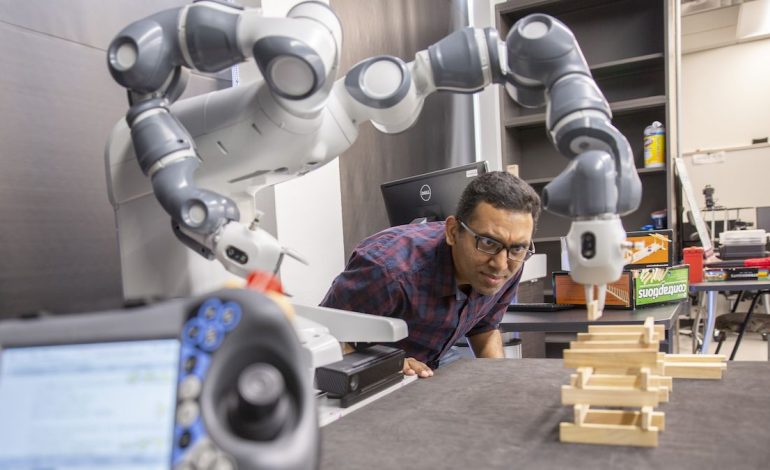
The humanoid robot market is booming. Morgan Stanley predicts over a billion could be in use by 2050, mostly for industrial and commercial tasks. Clients request videos of folding clothes, making coffee, or sandwich preparation. “Some jobs are supposed to be taken over, so humans can go and do better things,” said Ravi Shankar, head of Objectways, an AI data firm with offices in India and the US.
In a Karur textile factory, eight workers wore head cameras and smart glasses supplied by Objectways, filming tasks like attaching labels and ironing bags. In a studio, engineering graduate Rani N. filmed herself folding a towel 90 times a day on nearly every spot on a bed. “It’s tolerable,” she said, “but feels like I’m always wearing a camera.”
India’s government think‑tank NITI Aayog has warned that most discussions on automation focus on white‑collar job losses, “paying little attention” to the country’s 490 million informal workers from garland‑makers to sewer cleaners who form the backbone of the economy.
Ponni, 55, who sits on a roadside in Bengaluru making flower garlands, has also been paid to wear a camera on her forehead. “The next generation… who might have to do work similar to mine they will face a problem,” she said.
Not everyone sees a bleak future. Manish Agarwal of Bengaluru‑based Humyn Labs believes networks of humans and robots “will work together. A welder in India could be managing a welder‑robot in Prague.”
Also Read:
NBA Finals Audience Reacts Strongly to Trump’s Presence in New York
Philippine Ex-Policeman Arrested in High-Profile Drug War Killing Case