


Global Oil Prices Climb Amid Prolonged Iran War Crisis

Oil prices continued their upward march on Friday as diplomatic efforts to resolve the Iran conflict stalled, keeping supply chains disrupted and markets uncertain.
Brent crude futures for July rose 63 cents to $111 per barrel, while West Texas Intermediate climbed 9 cents to $105.20 per barrel. More significantly, Brent’s expiring June contract hit $126.41 on Thursday—the highest level since March 2022—underscoring the market’s anxiety about sustained supply disruptions.
The rally reflects four straight months of gains driven by a deepening geopolitical crisis. When the US and Israel launched attacks on Iran at the end of February, Tehran responded by blocking the Strait of Hormuz and the US Navy began intercepting Iranian crude exports. The result: roughly one-fifth of the world’s oil and liquefied natural gas supply has been disrupted. Brent crude surged 50 percent in March alone as traders grappled with the scale of the disruption.
Ceasefire Stalls, Rhetoric Heats Up
A ceasefire has held since April 8, but negotiations have gone nowhere. On Thursday evening, Iranian Foreign Ministry spokesman Esmaeil Baghaei downplayed hopes for a quick breakthrough, telling the official IRNA news agency: “Expecting to reach a result in a short time, regardless of who the mediator is, in my opinion, is not very realistic.”
The pessimistic tone reflects hardening positions on both sides. Earlier Thursday, a senior official from Iran’s Revolutionary Guards threatened “long and painful strikes” on US positions if Washington renewed military attacks. The threat sent oil prices to intraday peaks before they retreated.
More Conflict Looms
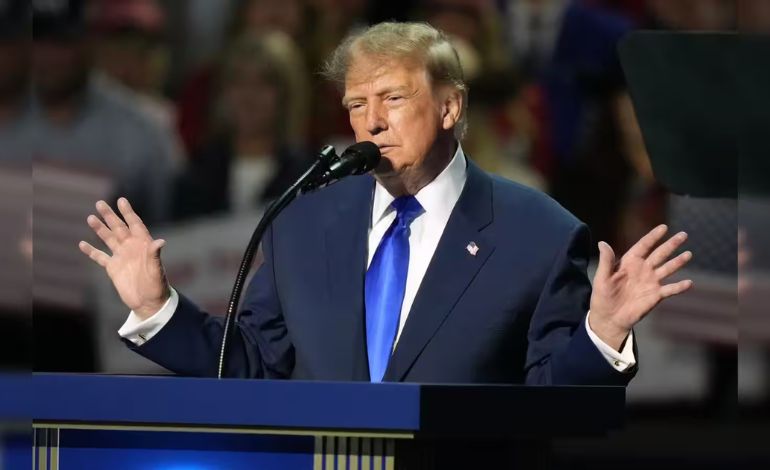
The situation could deteriorate further. According to Reuters, US President Donald Trump received a briefing Thursday on plans for a fresh series of military strikes against Iran designed to compel negotiations. If those strikes proceed, oil markets could face another shock.
The Market Calculus
Energy traders are caught between two scenarios. A negotiated settlement would ease supply concerns and send prices lower. Renewed fighting would tighten markets further, potentially pushing Brent well above $130. With Iran showing little willingness to compromise and the US preparing additional strikes, markets are bracing for the worse scenario.
For consumers already dealing with inflation, higher oil prices threaten to make energy costs and transportation more expensive. For investors, the continued uncertainty keeps energy stocks and commodities attractive as hedges against geopolitical risk.
Also Read:
Pro-Kurdish Party Slams Türkiye’s “Hesitant” Approach to PKK Peace Talks
How Viable Is Syria as a Trade Route to Bypass the Blocked Hormuz Strait?