




How Viable Is Syria as a Trade Route to Bypass the Blocked Hormuz Strait?
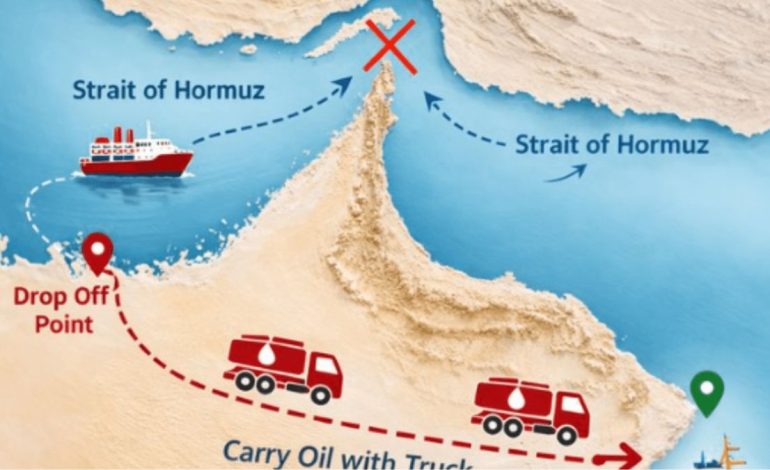

With the Strait of Hormuz largely closed and the US‑Iran war disrupting global shipping, attention is turning to an unlikely alternative: Syria.
Interim President Ahmad Al‑Sharaa has promoted Syria as a “safe corridor” linking the Gulf to Europe. Under a joint agreement with Iraq, Iraqi oil exports have already started moving through Syrian ports like Baniyas and Tartus. Iraq recently reopened the Rabia‑Yarubiyah border crossing after more than a decade, and other crossings with Turkey and Jordan are active.
But analysts warn that Syria is far from a reliable logistics hub. “Security is still the first filter,” says Benjamin Feve of Karam Shaar Advisory. Risks remain from scattered clashes, unexploded ordnance, and the persistent Daesh threat. Infrastructure is heavily damaged, and transport costs by land are much higher than sea routes.
Syria also remains designated by the US as a state sponsor of terrorism, though officials hope for delisting soon. Until then, sanctions and political hurdles block major investment.
For now, Syria offers a slow, expensive, and risky workaround—useful only as a last resort while Hormuz remains blocked. “It may be cheaper than not exporting at all,” Feve says, “but that does not mean Syria would immediately become the main logistics hub.”
Also Read:
Deadliest Day Since Truce: Lebanon Reports 14 Killed in Israel Strikes
Dealing with the Dead in the Aftermath of Sudan’s Devastating War