




Saudi Arabia Embraces Sustainable Tourism Through Wildlife Conservation
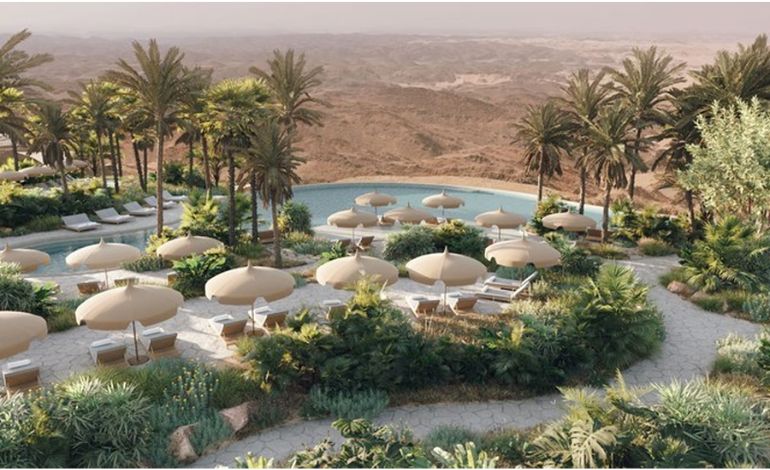

Saudi Arabia’s National Center for Wildlife is building a nationwide network of wildlife destinations meant to let visitors experience the Kingdom’s biodiversity without putting the species and habitats behind it at risk.
Announced in June under the Wildlife Destinations program, the initiative spans safari experiences, birdwatching sites, wildlife reserves and seasonal marine encounters, drawing on a country home to more than 65 ecosystems and 12,000 species spread across islands, coastlines, mountains, valleys and deserts. A center spokesperson told Arab News the program builds on years of work protecting wildlife and restoring habitats, turning that research into field experiences meant to raise awareness, improve quality of life and open up economic opportunities tied to wildlife.
Early destinations include safari experiences at the Prince Saud Al-Faisal Wildlife Research Center near Taif and the Thadiq Wildlife Research Center in the Riyadh region. Birdwatchers can visit the Farasan Islands Reserve and sites around Riyadh, while other locations let visitors spot houbara bustards and Arabian oryx at Imam Saud bin Abdulaziz bin Mohammed Royal Reserve, or reem gazelles at Uruq Bani Ma’arid Reserve and Al-Ghat National Park. Marine encounters will follow the seasonal movements of species along the coast, with the chance to see Bryde’s whales near the Farasan Islands, dolphins in the Blue Holes Reserve, and whale sharks at Ras Hatiba Reserve.
Rather than a one-size-fits-all approach, each destination is shaped around its own landscape. In Taif, the mountainous, highland setting is paired with regional touches like Taif roses, seasonal produce, honey and traditional crafts, while Thadiq leans into its desert environment with low-impact trails designed to introduce visitors to native wildlife.
Conservation sits at the center of the plan. The center says the project is based on a conservation-first principle, meaning the safety of animals and habitats takes priority over any single experience or facility. More than 10,000 wild animals have already been released back into their natural habitats, and protected land now covers 18.3 percent of the country, with marine protected areas at 16.3 percent, part of a broader goal to protect 30 percent of Saudi Arabia’s land and sea by 2030.
To manage that balance, sites will be split into public areas, regulated-access zones, and protected research and operational spaces, with hospitality facilities kept away from sensitive habitats and breeding grounds. Visitor numbers, routes and timing will be controlled, alongside noise and lighting limits, approved safari vehicles and guides, and ongoing monitoring of habitat conditions and animal behavior so activities can be adjusted as needed.
Beyond conservation, the destinations are also designed to generate economic activity for nearby communities and to teach visitors about individual species and the roles they play in maintaining ecological balance. The center says it continues to evaluate additional locations based on environmental value, habitat integrity and operational readiness, with new destinations to be announced as studies and approvals are finalized.
Also Read:
OpenAI Invests $1 Billion in AI-Powered Cybersecurity for Frontline Defenders
Crude Oil Prices Climb More Than 2% Amid Growing Mideast Supply Fears