



Gaza’s Premature Babies Struggle for Critical Care Amid Devastation
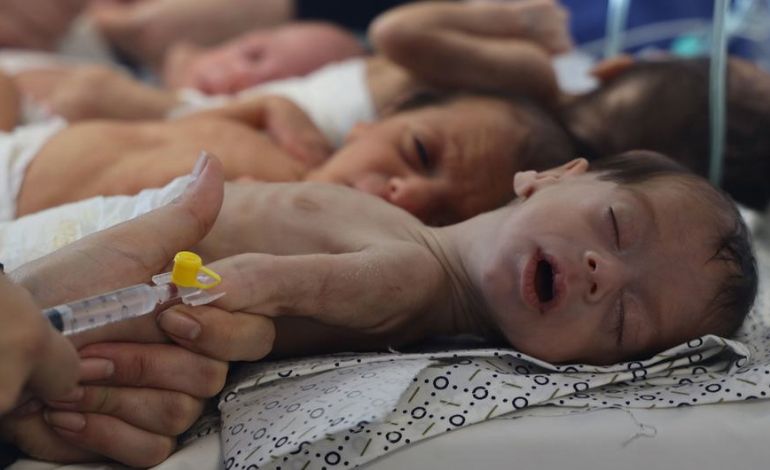

Images of two or three premature infants sharing a single incubator have surfaced from Gaza’s hospitals this week, offering a stark glimpse into a healthcare system stretched far beyond its limits nearly two years into the war.
Toby Fricker, UNICEF Palestine’s East Jerusalem-based head of advocacy and communications, spent last week visiting the organization’s programs in Gaza, including the neonatal intensive care unit at Nasser Hospital. He told Arab News the unit’s staff are doing remarkable work under enormous pressure, and that UNICEF has managed to supply incubators and ventilators to a facility running at full capacity around the clock, with babies who aren’t in critical condition sometimes sharing equipment while a separate room handles feeding for those who have stabilized.
That equipment depends on electricity, which in Gaza now largely means diesel generators. Reports circulated this week that the World Health Organization would have to halt diesel supplies to hospitals due to a funding shortfall, though WHO spokesperson Christian Lindmeier said the agency has since been able to secure continued fuel provision in coordination with the UN, allowing it to focus on delivering medical supplies.
Beyond the equipment shortage, Fricker said what’s alarming health workers is the unusually high number of premature births, many involving congenital complications. He attributed this in part to the severe strain on pregnant women in Gaza, who face major obstacles accessing clean water, sanitation and proper nutrition, a pattern he said echoes what he previously observed working with UNICEF in Ukraine, where restricted access to services also coincided with a rise in premature births.
Solid academic data on the war’s impact on maternal and infant health remains limited, but troubling accounts have emerged. Gaza’s Ministry of Health has described a rising number of severe congenital deformities among newborns, including a case last year of an infant born without a brain, and has called for an international investigation into any possible link to munitions used in the conflict, a claim that has not been independently verified. Separately, the Palestine Information Center reported that of 172 children born with congenital conditions at Nasser Hospital between June and August 2024, roughly 20 percent died. UN Population Fund data indicates that as many as one in five of Gaza’s estimated 55,000 pregnant women in 2025 experienced malnutrition, contributing to high-risk pregnancies, and by early 2025 at least a fifth of newborns were arriving premature, malnourished or with complications.
Only 18 of Gaza’s 36 pre-war hospitals remain even partially functional, and facilities like Nasser Hospital have had to relocate units, including neonatal care, into whatever space remains usable after damage. Even for infants who survive their fragile start, Fricker said the challenges continue well past discharge, as parents raise underweight children in crowded tent settings with limited access to clean water, extreme heat, and looming concerns about seasonal rains.
UNICEF is also tracking the psychological toll on Gaza’s children more broadly. Fricker said trauma is pervasive, touching nearly every child in some form, and the organization is working with social workers to support injured children while pushing to get kids back into learning through tent-based schools set up on the grounds of damaged buildings, offering structure and a sense of normalcy alongside the chance to identify children who need specialized support.
Separately, research published last year in the WHO’s Eastern Mediterranean Health Journal documented the toll of traumatic injuries on Gaza’s children, describing physical and psychological effects the authors called catastrophic. According to figures the paper cited, more than 10 children lost one or both legs each day during the war’s first ten weeks, with over 1,000 child amputations recorded since the conflict began in October 2023.
Gaza’s healthcare system also lacks capacity for many specialist treatments available only abroad. Gaza’s health ministry reported more than 15,000 patients awaiting overseas treatment as of July, while the WHO said fewer than 2,000 people had been able to leave for care in the eight months following a ceasefire, with an estimated 300 or more patients dying while they waited.
Health experts caution that recovery will take years even once hostilities end. Maurizio Bonati, a WHO consultant, examined healthcare outcomes following conflicts in Iraq, Haiti and the Democratic Republic of Congo in a paper published in March, concluding that restoring child health and vaccination trends to pre-conflict levels typically takes around a decade.
The strain on the broader humanitarian system has also drawn scrutiny. Following a May report from the Johns Hopkins Center for Humanitarian Health and the Lancet Commission describing the global humanitarian system as no longer fit for purpose, three employees of the UN’s Palestinian refugee agency wrote in The Lancet that Gaza represents the clearest example of that failure, while stressing the shortfall reflects constraints on the system itself rather than the dedication of aid workers, noting that 392 of their colleagues had been killed as of June.
A special issue of the journal Bioethics published this month includes analysis characterizing the destruction of Palestinian health infrastructure as a deliberate exercise of control over the population, a view Israel disputes. Israel says its operations targeting Gaza’s hospitals are aimed at Hamas fighters and military infrastructure it says are embedded within medical facilities, an allegation Hamas denies.
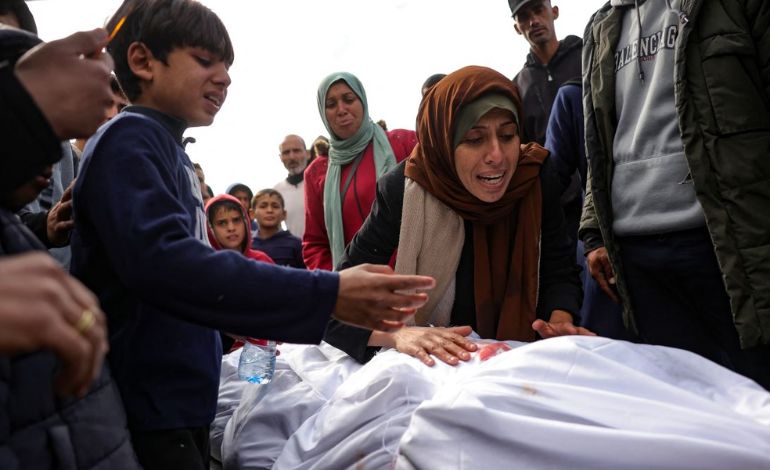
According to the UN’s latest humanitarian situation report, published September 4, children continue to be killed in strikes across populated areas of Gaza, and most of the territory’s 2.1 million residents are heading into the rainy season in overcrowded displacement sites at risk of flooding and disease, with preparation efforts hampered by funding shortfalls and access restrictions. Between August 26 and September 2 alone, 31 Palestinians, including seven children, were reported killed and 86 injured.
Fricker said the international community’s support so far has been appreciated, but that needs remain vast, and UNICEF is urging partners to provide flexible, timely funding to sustain water, sanitation and health services for children and help them return to some version of childhood.
Also Read:
OpenAI Invests $1 Billion in AI-Powered Cybersecurity for Frontline Defenders
Crude Oil Prices Climb More Than 2% Amid Growing Mideast Supply Fears