
US and Iran Trade Fire as Fragile Truce Faces Collapse
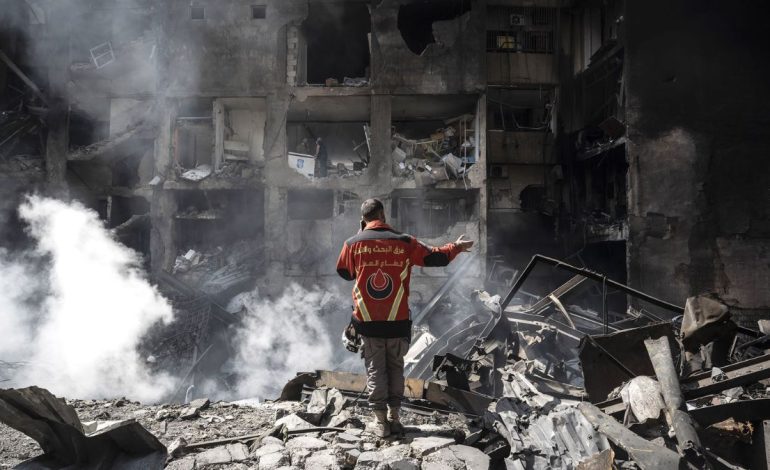

The fragile ceasefire between the United States and Iran deteriorated sharply Thursday as Iranian forces launched missiles and drones at three American destroyers in the Strait of Hormuz, prompting US military strikes on Iranian targets and raising fresh doubts about whether a diplomatic breakthrough can prevent full-scale conflict.
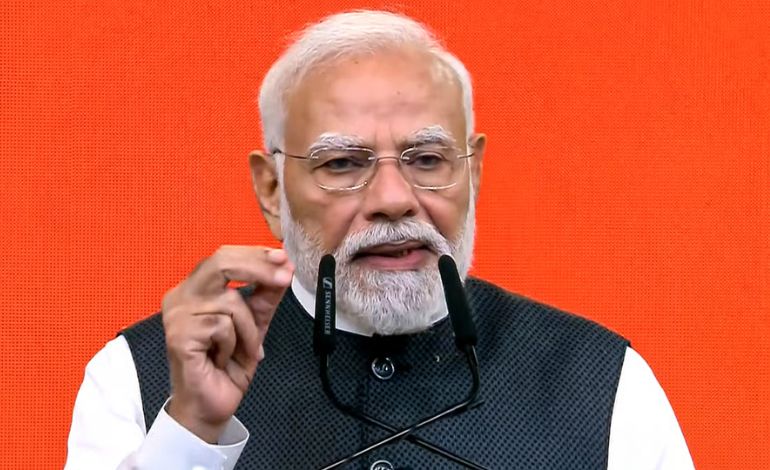
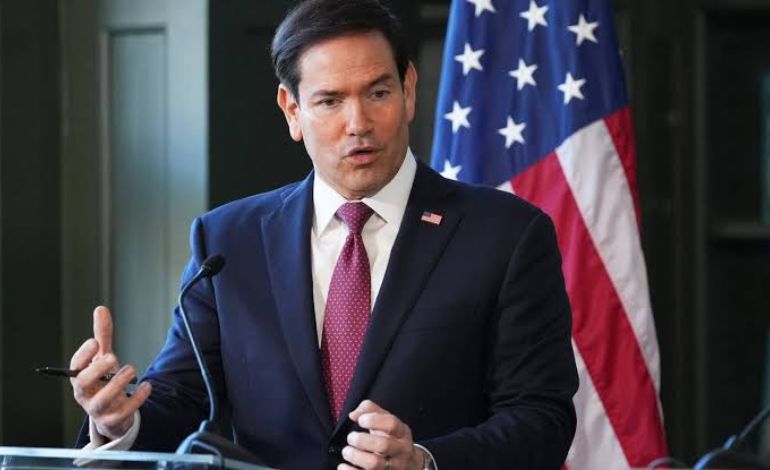
President Trump downplayed the escalation, dismissing the Iranian attack as “a trifle” and insisting the ceasefire remained intact. Yet his tone quickly hardened when he threatened far more severe retaliation if Iran failed to “get their Deal signed, FAST,” signaling how precarious the current truce truly is.
Conflicting Accounts of What Happened
According to US Central Command, Iranian forces launched multiple missiles, drones, and small boats at the American vessels, but none found their targets. The US responded by destroying “inbound threats” and striking Iranian military facilities deemed responsible for the attack.
Iran’s central military command offered a starkly different narrative, accusing the United States of violating the ceasefire by attacking an oil tanker and another ship. Tehran characterized its subsequent assault on American military vessels as retaliation for American aggression, a fundamental disagreement about who bears responsibility for breaking the truce.
The Ceasefire Teeters
The April 8 ceasefire brought a temporary end to weeks of intense US-Israeli bombing campaigns against Iran, which had responded with coordinated strikes throughout the Middle East and a partial blockade of the Strait of Hormuz—one of the world’s most critical chokepoints for energy shipments.
Thursday’s exchange suggests that neither side has fully committed to maintaining the agreement. Trump’s simultaneous language—praising progress toward a deal while threatening overwhelming force if negotiations stall—reveals the inherent contradictions in a ceasefire built more on exhaustion than genuine reconciliation.
Stranded Ships and Global Consequences
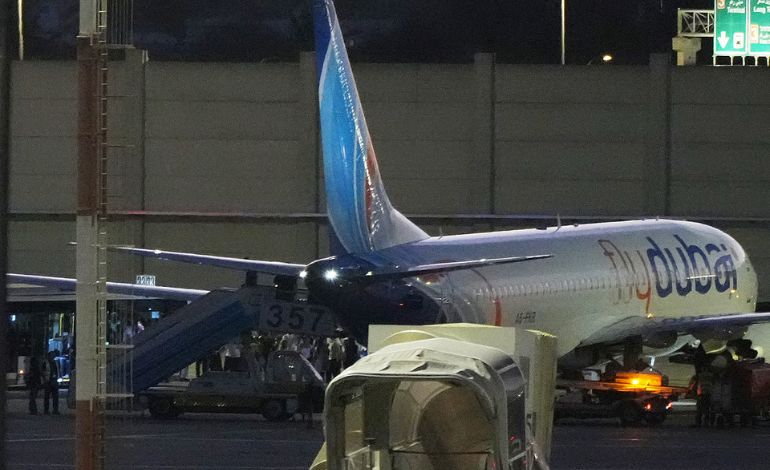
The conflict’s economic toll extends far beyond military considerations. Around 1,500 commercial vessels carrying approximately 20,000 international crew members remain trapped in the Gulf region due to the shipping disruptions caused by Iran’s partial closure of the Strait of Hormuz.
Trump briefly launched Operation Project Freedom this week to escort vessels through contested waters, only to stand down the operation within hours, citing optimistic signals from Iran about negotiations. The reversal underscores the administration’s belief that military progress might be achievable, even as on-the-ground reality suggests otherwise.
Skepticism in Tehran
Not everyone shares Trump’s optimism. Inside Iran, ordinary citizens expressed cynicism about the negotiation process. “Neither side in these negotiations is really capable of reaching an agreement,” one Tehran photographer told reporters, questioning why military forces continued mobilizing toward Iran if a genuine deal was imminent.
Pakistani Prime Minister Shehbaz Sharif, serving as mediator, had struck a hopeful tone before Thursday’s clashes, insisting “this ceasefire will turn into a long-term ceasefire.” That sentiment appears increasingly unrealistic given the fresh violence.
Lebanon and Broader Regional Tensions
A separate ceasefire between Israel and Hezbollah-dominated Lebanon also remains under severe strain. Scheduled Israel-Lebanon talks for May 14-15 offer a last diplomatic opportunity, though Israeli airstrikes continued Thursday, killing at least 12 people. Lebanon was drawn into the broader conflict after Hezbollah fired rockets at Israel in retaliation for the killing of Iranian supreme leader Ayatollah Ali Khamenei.
The interconnected nature of these conflicts means that failure in one arena—whether Iran-US talks or Israel-Lebanon negotiations—threatens to unravel progress across the entire region. With military forces mobilized and diplomatic channels strained, the coming days will prove critical in determining whether negotiators can salvage a genuine long-term settlement or whether the region slides back into open warfare.
Also Read:
Pope Leo XIV Surprises 13 Lebanese Priests With Heartfelt Video Call
Turkiye Raises Alarm Over Energy Supply Risks as Iran War Intensifies