
Trump’s Hormuz Escort Strategy Triggers Iran’s Ceasefire Violation Claims
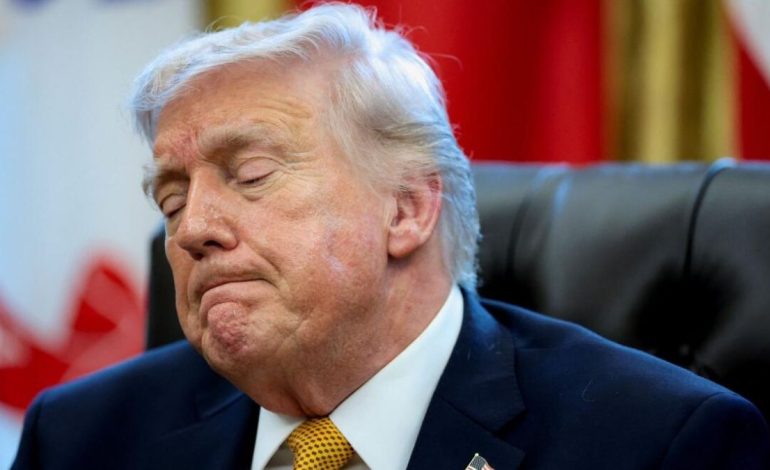

The United States announced plans Monday to escort stranded vessels out of the Strait of Hormuz through an initiative called “Project Freedom,” prompting an immediate warning from Iranian officials that any American “interference” in the waterway would breach the fragile ceasefire between the two nations.
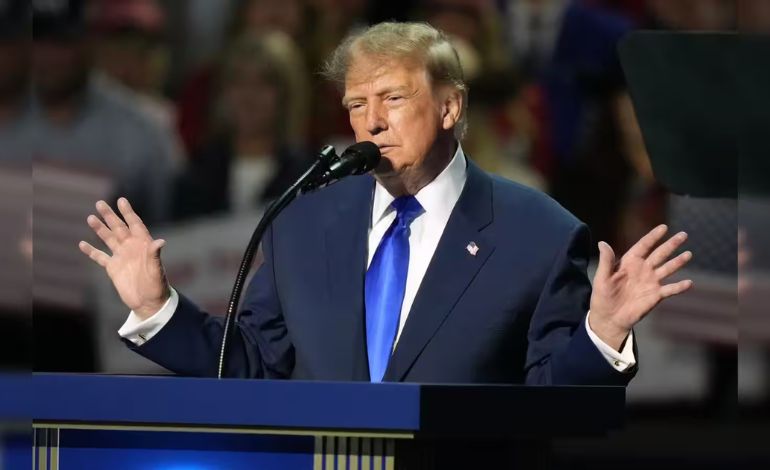
Trump framed the operation as humanitarian, aimed at helping neutral countries whose ships have been trapped in the chokepoint since the war began on February 28. “We will guide their ships safely out of these restricted waterways, so that they can freely and ably get on with their business,” Trump said Sunday, announcing the operation would commence Monday morning.
The deployment involves significant military resources. US Central Command confirmed the initiative would include guided-missile destroyers, more than 100 aircraft, and 15,000 service members. However, the Pentagon provided few details about how these forces would be deployed operationally.
Iran’s response was swift and stern. Ebrahim Azizi, head of the national security commission in Iran’s parliament, warned that “any American interference in the new maritime regime of the Strait of Hormuz will be considered a violation of the ceasefire.” Tehran has asserted that it controls the strait and demands tolls from ships transiting its waters—a claim that contradicts international maritime law guaranteeing freedom of navigation.
The situation in the Strait remains volatile. Recent incidents underscore ongoing tensions despite the ceasefire. A tanker reported being struck by unknown projectiles while transiting the waterway, and a cargo vessel near the Iranian port of Sirik was approached by multiple small craft in a suspected attack. The British maritime authority reported that all crews involved remained safe.
Iran has denied responsibility for attacks, claiming instead that vessels are being stopped for routine document checks as part of maritime monitoring. However, experts and international observers attribute the closure of the Strait to Iranian actions designed to maintain control over this critical shipping lane carrying roughly one-fifth of global oil and natural gas trade.
The humanitarian dimension is substantial. Approximately 800 vessels and an estimated 20,000 seafarers, many from South and Southeast Asia, have been stranded since the conflict erupted. Crew members have reported dwindling food and water supplies while witnessing drone and missile activity over the waters.
Behind the scenes, diplomatic efforts continue. Pakistan is actively mediating between Washington and Tehran, with Pakistani officials encouraging direct communication between the two sides. Iran is reviewing the US response to a 14-point proposal aimed at ending the war rather than merely extending the ceasefire. The Iranian proposal calls for lifting sanctions, ending the naval blockade, withdrawing US forces from the region, and ceasing all hostilities including Israeli operations in Lebanon. Trump has expressed skepticism about whether negotiations will succeed.
Economic pressure is mounting on Iran. The US naval blockade since April 13 has reduced Iran’s oil revenues significantly. Treasury Secretary Scott Bessent reported that Iran has earned less than $1.3 million in tolls—a fraction of its typical daily oil revenues. As Iranian oil storage fills rapidly, the country may soon be forced to shut down wells, potentially within the coming week.
The Trump administration has warned shipping companies that they face potential sanctions for paying Iran in any form, including digital assets, to safely transit the Strait. This escalates pressure on both shipping interests and Tehran.
The confrontation over the Strait reflects fundamental disagreements between Washington and Tehran about maritime control, compensation, and the terms of any permanent resolution. While a three-week ceasefire currently holds, the introduction of American military escorts into contested waters threatens to further inflame tensions at a moment when diplomatic negotiations remain fragile and incomplete.
The coming days will test whether the fragile ceasefire can withstand this renewed military presence in one of the world’s most strategically important shipping lanes.
Also Read:
Are Robots the Future of Airports? Tokyo Leads the Way with Humanoid Tech
Cybersecurity Talent Shortage in India Grows Amid AI and Cloud Boom