
Iran Warns of “Painful Response” if US Resumes Military Attacks
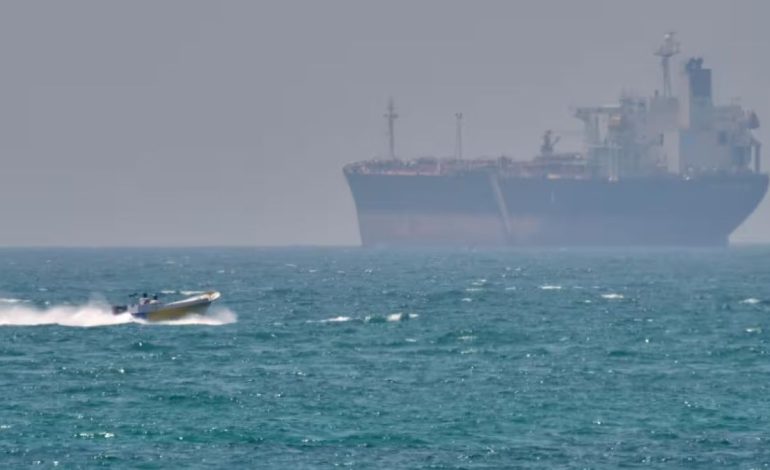

The US-Iran conflict is showing no signs of thawing. As diplomatic efforts remain deadlocked, Tehran has intensified its military posturing, warning Washington that renewed attacks will trigger devastating retaliation.
On Thursday, Iran’s Aerospace Force Commander Majid Mousavi delivered a direct message: “We’ve seen what happened to your regional bases, we will see the same thing happen to your warships.” The threat came in response to US military claims of success in its blockade against Iranian oil exports.
Supreme Leader Ayatollah Mojtaba Khamenei reinforced Iran’s defiant stance, asserting Tehran’s control over the Strait of Hormuz and vowing to eliminate “the enemies’ abuses of the waterway” under new management. In language heavy with nationalist symbolism, Khamenei declared that “foreigners who come from thousands of kilometers away have no place there except at the bottom of its waters.”
A Chokepoint Remains Closed
Two months into the conflict, the stakes have never been higher. The vital Strait of Hormuz remains blockaded, strangling 20 percent of the world’s oil and gas supplies. A ceasefire has nominally held since April 8, but Iran continues blocking the waterway in response to the US naval blockade of Iranian crude exports—Tehran’s critical revenue source.
The economic consequences are cascading. Global energy prices have surged, and UN Secretary-General Antonio Guterres warned that prolonged disruption threatens to depress global growth, increase inflation, and push tens of millions into poverty and extreme hunger. “The longer this vital artery is choked, the harder it will be to reverse the damage,” Guterres told reporters.
New Military Options on the Table
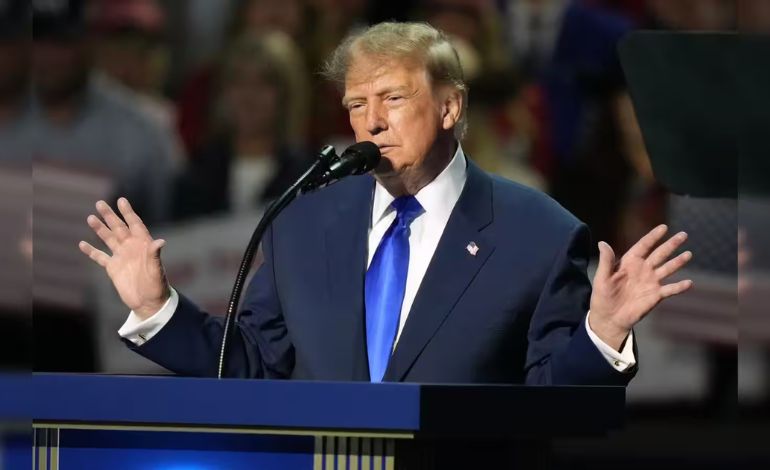
The situation could spiral further. Trump received a briefing Thursday on plans for fresh military strikes designed to force Iran to the negotiating table. News of the briefing alone rattled markets, sending Brent crude briefly above $126 per barrel before it retreated to around $114.
Iranian officials offered little hope for compromise. Foreign Ministry spokesman Esmaeil Baghaei rejected expectations of quick results from talks, saying it was “not very realistic” to expect breakthrough progress regardless of who mediates.
Escalating Tensions
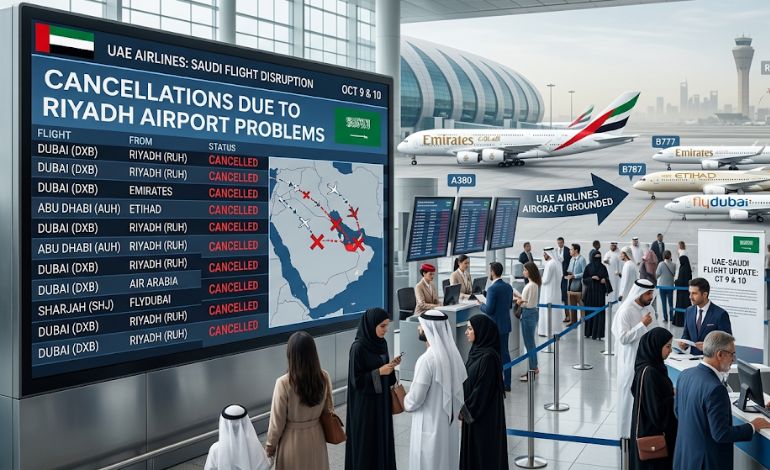
The rhetoric has grown more dangerous. Air defense systems were activated over Tehran late Thursday as the country reported engagements with small drones and surveillance aircraft. The UAE, meanwhile, banned its citizens from traveling to Iran, Lebanon, and Iraq, signaling deepening regional instability.
The Economic Gamble
Trump faces a congressional deadline Friday to either end the conflict or request a 30-day extension. Analysts expect him to seek more time. He has repeatedly asserted that Iran’s economy is collapsing and will soon crack under pressure, but experts counter that Tehran can likely endure a prolonged standoff in the Gulf.
The conflict has worsened Iran’s existing economic crisis, but the country has demonstrated resilience despite the US blockade cutting off energy exports. Neither side appears ready to blink, leaving the world watching a dangerous stalemate with no clear exit strategy.
Also Read:
Pro-Kurdish Party Slams Türkiye’s “Hesitant” Approach to PKK Peace Talks
How Viable Is Syria as a Trade Route to Bypass the Blocked Hormuz Strait?