
Peace Talks Between US and Iran Face Challenges Over Lebanon and Sanctions
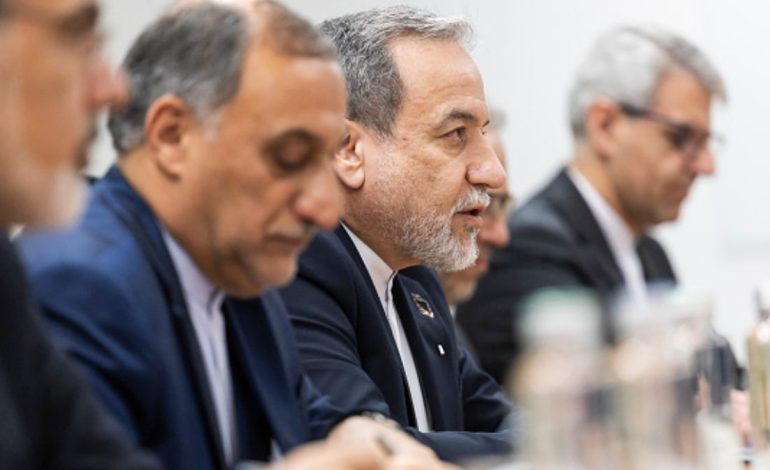

High-stakes negotiations between the United States and Iran opened in Islamabad on Saturday, but significant obstacles threaten to derail what both sides describe as “make-or-break” talks aimed at ending their six-week conflict.
The Delegations Arrive
Vice President JD Vance led the American delegation to Pakistan, alongside Trump’s special envoy Steve Witkoff and son-in-law Jared Kushner. Iran’s delegation was headed by parliamentary speaker Mohammad Baqer Qalibaf and Foreign Minister Abbas Araghchi.
The presence of such high-level officials underscored the negotiations’ importance. Islamabad itself was placed under unprecedented lockdown with thousands of military and paramilitary personnel deployed throughout the city.
Iran’s Pre-Talk Demands
Before formal discussions began, Qalibaf outlined conditions Iran said must be met before talks could proceed. He demanded that Washington fulfill previous commitments to unblock Iranian assets and agree to a ceasefire in Lebanon—where Israeli strikes on Iran-backed Hezbollah have killed nearly 2,000 people since March.
“We have good intentions but we do not trust,” Qalibaf said, citing past American negotiations that ended in what Iran views as broken promises. “Our experience in negotiating with the Americans has always been met with failure.”
The Trust Deficit
The fundamental obstacle is mistrust rooted in history. Iran’s insistence that Lebanese ceasefire commitments be included in any agreement directly conflicts with the US and Israeli position that Lebanon remains outside the scope of current talks.
Israel has refused to discuss any ceasefire with Hezbollah, and fighting continued throughout the negotiations period. A single Israeli strike on a government building in Nabatieh killed 13 Lebanese state security personnel, demonstrating that hostilities persist despite the broader US-Iran truce.
Competing Claims on Hormuz
Iran’s demands extend to control of the Strait of Hormuz, through which roughly one-fifth of global oil passes. Tehran seeks recognition of its authority to collect transit fees and control passage—a demand that would represent a fundamental shift in regional power dynamics.
Iran’s vessels have sailed through the strait unimpeded since the ceasefire, while ships from other nations remain trapped inside the Gulf. This selective control exemplifies Tehran’s leverage in negotiations and its determination to extract economic concessions.
Trump’s Dismissive Tone
President Trump took to social media to downplay Iran’s negotiating position. “The Iranians don’t seem to realize they have no cards, other than a short term extortion of the World by using International Waterways,” he posted. “The only reason they are alive today is to negotiate.”
However, Trump’s rhetoric masks the reality that Iran has retained most of its core military capabilities—ballistic missiles, drones, uranium enrichment capacity, and a network of regional allies—despite weeks of American and Israeli bombing.
Broader Unmet Objectives
The conflict has failed to achieve many of Trump’s original war aims. Iran’s missile and drone capabilities remain intact. Its nuclear program continues, with over 400 kilograms of uranium enriched near weapons-grade levels. The government faces no imminent threat of collapse, and the clerical leadership has survived intact.
The Stakes
Success in these talks would require bridging vast gaps between the sides. Iran demands sanctions relief, war reparations, and recognized authority over critical maritime passages. The US and Israel want nuclear constraints, missile limitations, and regional de-escalation without conceding ground on Lebanon.
Meanwhile, the global economy remains vulnerable. Energy supply disruptions continue despite the ceasefire, with inflation and economic slowdowns likely to persist for months even if negotiations succeed.
The Road Ahead
Whether these talks evolve into a comprehensive settlement or collapse remains uncertain. The presence of deep mutual mistrust, incompatible demands, and unresolved conflicts in Lebanon suggests that narrow agreements focusing solely on halting hostilities may be the most realistic outcome—leaving deeper issues unresolved and regional tensions simmering beneath the surface.
Islamabad’s role as mediator reflects Pakistan’s strategic importance, but the fundamental differences between the parties suggest that even intensive negotiations may not produce the breakthrough both sides publicly claim to seek.
Also Read:
Japan Denounces Attacks on Saudi Energy Sites, Offers Condolences to Victims
How AlUla is Using Saffron Cultivation to Strengthen Its Agriculture Sector