



Iran Opens New Shipping Corridor in Hormuz Strait: Key Details You Should Know
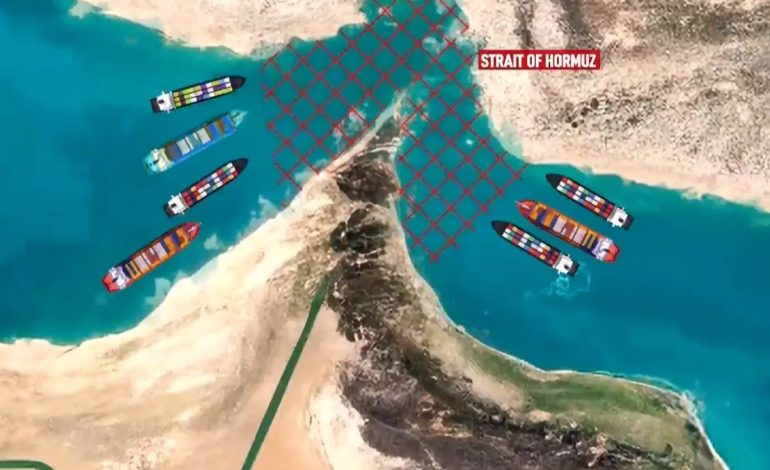

Iran has announced alternative shipping corridors through the Strait of Hormuz on Thursday, officially reopening the vital waterway as part of a two-week ceasefire with the United States. The move marks the end of an effective blockade that has disrupted global energy markets.
The Alternative Routes
Iran’s Revolutionary Guards issued a statement directing ships to use designated alternative entry and exit routes to avoid sea mines in the main shipping zone. The announcement included specific instructions for navigating the new corridors through the critical waterway.
“All ships intending to transit the Strait of Hormuz are hereby notified that in order to comply with the principles of maritime safety and to be protected from possible collisions with sea mines…they should take alternative routes for traffic in the Strait of Hormuz,” the Guards stated.
The provision of alternative routes reflects Iran’s dual concerns: reopening shipping while maintaining security protocols related to the presence of naval mines in disputed areas.
The Ceasefire Context
The alternative routes announcement came as part of Iran’s agreement to temporarily reopen the Strait of Hormuz under a two-week ceasefire negotiated with the United States. The agreement was reached late Tuesday, less than an hour before President Donald Trump’s deadline to launch strikes against Iran if it refused to reopen the strait.
Global Significance
The Strait of Hormuz normally carries approximately one-fifth of the world’s oil supply, making it one of the most critical maritime passages for global energy security. Iran’s effective blockade since early March sent global energy prices spiraling upward and created unprecedented disruption to international commerce.
The temporary reopening represents significant relief for global energy markets and shipping industries that have faced weeks of uncertainty and disrupted operations.
Logistics and Shipping Impact
While the announcement of alternative routes signals Iran’s commitment to the ceasefire, ships will need to adjust to the new navigational requirements. The designated corridors may result in slightly longer transit times, but they enable the resumption of vital oil and energy shipments that have been constrained for weeks.
The gradual restart of shipping through the new routes will help normalize global energy supplies, though market confidence will require sustained confidence in the ceasefire’s durability over the two-week period.
The Path Forward
The alternative routes represent a practical compromise allowing both security concerns and commercial resumption. However, the temporary nature of the ceasefire means uncertainty persists about whether this arrangement becomes permanent or requires renegotiation when the two-week period expires.
Also Read:
Two Injured in Bahrain Drone Strike Linked to Iran
Tragedy in Lebanon: Man Hunts for Family Mementos in Bombed Home