
What We Know About the Strikes Near Former US Embassy in Tehran
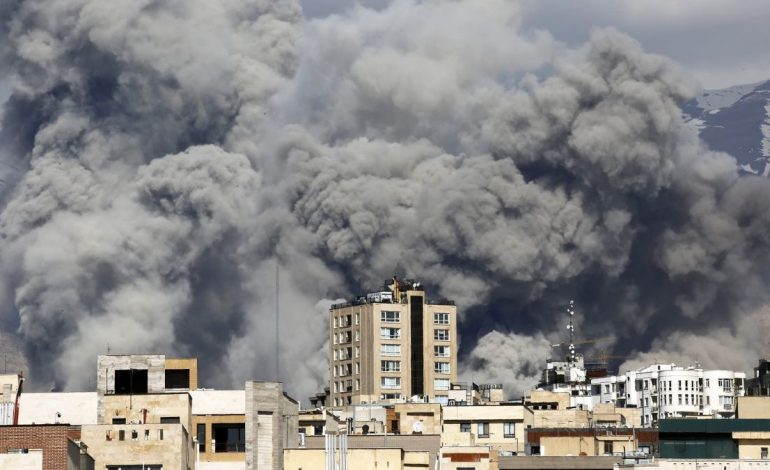

TEHRAN — Explosions rocked central Tehran in the early hours of Wednesday, with strikes landing near the former US embassy building, a landmark that has stood as a symbol of the fraught history between Iran and the United States for more than four decades.
An AFP journalist on the scene reported that the strikes damaged portions of the embassy compound’s outer walls. Footage later circulated by Mehr news agency showed the aftermath across the surrounding neighborhood: shopfronts shattered, windows blown inward, and debris scattered across streets near the building.
The former embassy, which Iran transformed into a museum popularly known as the “Den of Spies,” appeared to have sustained visible damage to its perimeter walls. The compound was seized by Iranian students in 1979 and has remained a site of political significance ever since.
Strikes Extend Beyond the Capital
Wednesday’s attacks were not limited to Tehran. Iranian media reported that steel complexes in central and southwest Iran were also hit, with production units suffering damage.
Fars news agency, citing a statement from Mobarakeh Steel Company — one of Iran’s largest industrial operations — said initial assessments pointed to “massive attacks” causing “significant damage and destruction to production units” at its complex in the central province of Isfahan.
The company also confirmed that one of its subsidiaries, Sefid Dasht Steel, located in the southwestern province of Chaharmahal and Bakhtiari, had “sustained damage and losses.”
A Site Steeped in History
The former US embassy in Tehran holds a singular place in the long-running confrontation between Washington and Tehran. For Iranians, the compound represents the 1979 Islamic Revolution and the severing of ties with the United States. For Americans, it remains associated with the 444-day hostage crisis that defined much of the early hostility between the two nations.
In recent years, the building has operated as a museum and cultural site, drawing visitors who view exhibits detailing Iran’s account of the revolution and its aftermath. Striking such a location carries symbolic weight beyond any tactical or military objective.
Widespread Damage Reported
Beyond the embassy compound, residents in central Tehran described a night of disruption. Footage showed damaged commercial storefronts, with glass and rubble covering sidewalks. Emergency crews could be seen assessing structural damage to buildings in the vicinity.
The strikes mark a significant escalation in the ongoing conflict between Israel and Iran, with the United States maintaining a close alliance with Israel while having no formal diplomatic relations with Tehran.
Industrial Impact
The targeting of Mobarakeh Steel Company, a cornerstone of Iran’s industrial sector, suggests an intent to strike at the country’s economic infrastructure. Steel production has been a priority for Iran’s economy, particularly as the country has faced years of international sanctions.
Damage to both the Isfahan facility and the Sefid Dasht subsidiary could disrupt production and supply chains, though company officials have not yet provided a full accounting of the extent of the losses or potential downtime.
No Immediate Claims of Responsibility
As of Wednesday afternoon, no official statement had been released by Israeli or US authorities regarding the strikes. In past military actions, Israel has typically neither confirmed nor denied responsibility for operations inside Iran, though it has publicly stated its intent to prevent Iran from acquiring nuclear capabilities and to retaliate for attacks launched by Iranian proxies in the region.
The strikes come at a moment of heightened regional tension, following weeks of military exchanges across multiple fronts.
What Comes Next
With damage now assessed in both Tehran and the industrial sites in Isfahan and Chaharmahal and Bakhtiari, attention will turn to how Iran chooses to respond. Previous Israeli strikes inside Iran have drawn retaliatory actions, sometimes directly and sometimes through proxies in Lebanon, Syria, and elsewhere.
For residents of central Tehran, Wednesday’s strikes brought the conflict closer to the capital than it has been in recent memory. The damaged walls of the former embassy now stand as the latest marker in a confrontation that has stretched across generations.
Also Read:
Music Meets Mission: A. R. Rahman Interacts with Syed Musharraf