
Rising Tensions in the Middle East: Arab League Calls Meeting After Iran Strikes

In Cairo, the nerve center of Arab diplomatic coordination, an emergency meeting was called. Not because of internal Arab disputes or regional disagreements between member states, but because a shared adversary had crossed a line that could no longer be tolerated. The Arab League, an organization often fractured by competing national interests and historical grievances, found itself united in condemnation of Iranian military aggression.
Arab League Secretary-General Ahmed Aboul Gheit did not mince words: the Iranian attacks were “fully reprehensible.” They were not merely military actions to be evaluated on strategic grounds. They were violations of fundamental principles—of international law, of the UN Charter, of the basic norms of neighborly conduct between nations.
“This is a grave Iranian strategic mistake,” Aboul Gheit said plainly. It was a statement that carried unusual clarity for diplomatic language—an acknowledgment not just that Iran had acted aggressively, but that Iran had miscalculated the response its actions would provoke.
When Rivals Unite
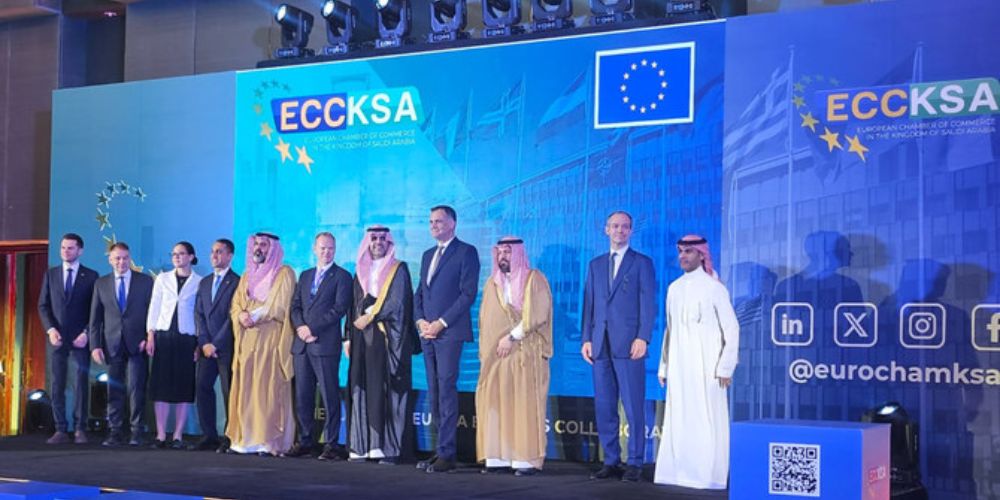
The emergency meeting scheduled for Sunday was not a quiet diplomatic consultation. It was a videoconference that brought together the foreign ministers of multiple Arab nations, requested jointly by Kuwait, Saudi Arabia, Qatar, Oman, Jordan, and Egypt. The list itself is remarkable.
These are nations that do not always see eye to eye. Saudi Arabia and Qatar have had their tensions. Different nations within the Gulf Cooperation Council have pursued different policies. Jordan occupies a unique position in the region, balancing relationships with multiple powers. Yet when faced with Iranian military strikes, these differences receded into the background.
What emerged instead was something less common in modern Arab politics: collective action. Not coordination for a shared economic purpose, not a trade agreement or joint infrastructure project, but a unified diplomatic response to military aggression. The symbolism matters as much as the substance.
The Unprecedented Nature of Hostility
Aboul Gheit’s language revealed the depth of concern within Arab leadership circles. He spoke of the attacks creating “an unprecedented state of hostility between Iran and its Arab neighbors.” The word “unprecedented” carries weight. It suggests that what is happening now exceeds previous levels of tension, previous patterns of conflict, previous norms of regional interaction.
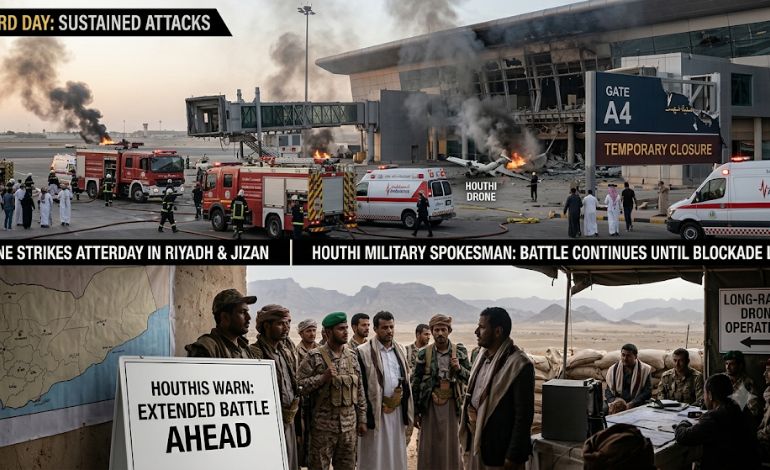
The Arab League Secretary-General was not speaking in abstractions. He was reflecting a reality on the ground: in the last 24 hours, the United Arab Emirates had intercepted over 125 drones and 6 ballistic missiles. Saudi Arabia had repelled repeated waves of attacks on critical infrastructure. The entire Gulf region was functioning under extraordinary military stress.
This is not diplomacy conducted amid stability. This is diplomacy conducted amid active military assault. And the Arab League was responding not with calls for calm reflection but with emergency meetings and clear condemnation.
The Broader Context of Escalation
Understanding the significance of the Arab League’s response requires understanding what preceded it. On February 28, the United States and Israel launched a massive air campaign against Iran. This was not a surgical strike or a limited operation. It was described as “massive,” suggesting a coordinated effort designed to fundamentally shift the balance of power in the region.
Iran’s response has been equally significant. Rather than accepting the escalation and seeking de-escalation, Tehran has retaliated with strikes against both Israel and Gulf nations. These are not isolated incidents. They are part of a clear pattern: attack, response, counter-response, further escalation.
Within this cycle, Arab nations find themselves in a precarious position. They are targets of Iranian military action. They are aligned with the United States and, to varying degrees, with Israel. Yet they are also neighbors of Iran, bound to it by geography, by history, by complicated webs of trade and cultural connection that cannot be severed regardless of military conflict.
The Arab League’s emergency meeting represents an attempt to navigate this impossible terrain—to condemn Iranian aggression while avoiding actions that might trigger further escalation, to stand united while each member state manages its own vulnerabilities and strategic interests.
A Diplomatic Line in the Sand
The timing of the emergency meeting carries its own significance. It was called not weeks after the initial escalation but almost immediately—within days of the Iranian strikes. This reflects the urgency with which Arab leaders view the situation. It also reflects their assessment that this moment is critical. Diplomatic action now might prevent further escalation. Silence might invite further aggression.
Aboul Gheit’s call for Iran to halt its attacks immediately was framed as advice, but it carried the weight of collective Arab sentiment. It was a message that could not be easily dismissed: the Arab world is watching, and it does not approve of what Iran is doing.
Yet the question remains whether such diplomatic pressure will influence Iranian calculations. International condemnation has not stopped previous Iranian actions. Calls for restraint have not deterred Tehran from pursuing what it views as justified retaliation for what it considers aggression against its territory.
The Risk of Miscalculation
Aboul Gheit’s characterization of Iranian actions as a “grave strategic mistake” reflects a deep concern: that Iran may be overestimating its position, underestimating Arab resolve, or simply locked into a cycle of escalation from which it cannot easily escape.
The danger now is that continued Iranian attacks, met with continued Arab condemnation and potential escalation in response, could create a self-reinforcing cycle. Each attack triggers response. Each response is seen as provocation justifying further attacks. The margin for de-escalation narrows with each exchange.
This is why the Arab League’s emergency meeting matters. It represents an attempt to inject a moment of diplomatic pause into a rapidly accelerating military escalation. Whether that pause will be heeded, whether it will create space for de-escalation, or whether it will simply mark another moment in an inexorable march toward greater conflict remains to be seen.
Regional Implications
If the Arab League’s united stance holds, it carries several implications. First, it signals to Iran that Arab nations are not divided on this issue, that they will not be picked off individually, that attacking one may be seen as attacking all. This is the message embedded in collective action.
Second, it provides diplomatic cover for individual Arab nations to defend themselves more aggressively if necessary. Saudi Arabia’s declaration of the right to respond, made in coordination with other Arab states through this emergency meeting, carries more weight than any single nation’s declaration would.
Third, it prevents Iran from claiming that its attacks are justified responses to Arab alignment with Western powers, because the Arabs themselves are condemning the very actions Iran is taking in the name of resistance to Western aggression.
Looking Forward
As Sunday’s emergency meeting convenes, Arab foreign ministers will face a fundamental question: What comes after condemnation? What actions, beyond words, will be taken? Will there be support for military response? Will there be efforts at mediation? Will there be economic consequences or diplomatic isolation?
The answers to these questions will determine whether this emergency meeting marks a turning point—a moment when Arab nations collectively shifted toward stronger action against Iranian aggression—or merely another moment of diplomatic expression without substantive follow-through.
What is certain is that the Arab League, for all its historical divisions and competing interests, has found enough common ground to call an emergency meeting. That in itself suggests that what is happening in the Gulf is being taken with deadly seriousness by Arab leadership.
The question now is what they will do with that unity, and whether Iran will adjust its calculations based on the message being sent from Cairo.
Also Read:
Iranian Envoy Denies Tehran Ordered Attack on US Embassy in Riyadh
Saudi Arabia Intercepts 3 Ballistic Missiles Aimed at Prince Sultan Air Base