
Iran Issues Apology to Neighboring Nations Following Regional Attacks

In a move that caught observers across the Middle East off guard, Iranian President Masoud Pezeshkian offered a public apology on Saturday for attacks his country had launched against neighboring nations. The statement, delivered via state television in a prerecorded address, marked a striking departure from typical Iranian rhetoric—and raised as many questions as it attempted to answer.
“I apologize … to the neighboring countries that were attacked by Iran,” Pezeshkian said directly. But like many diplomatic gestures, the words came wrapped in complexity and qualification.
The Attacks That Prompted the Apology
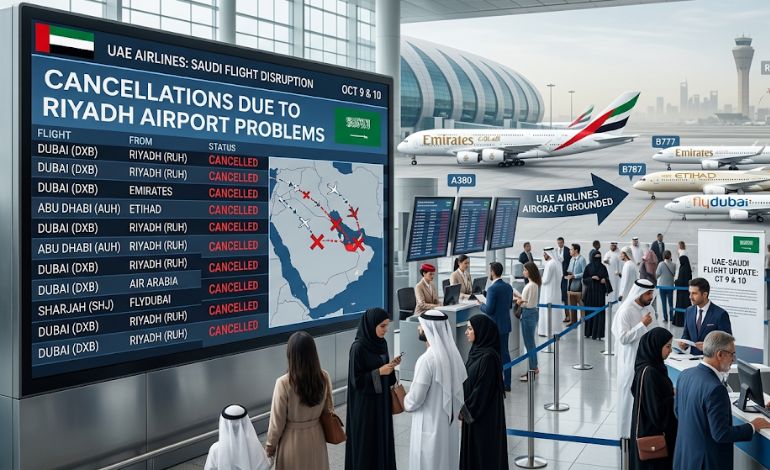
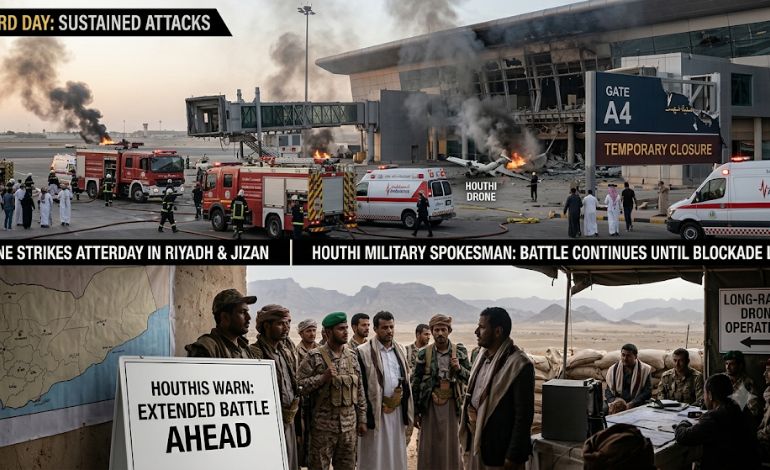
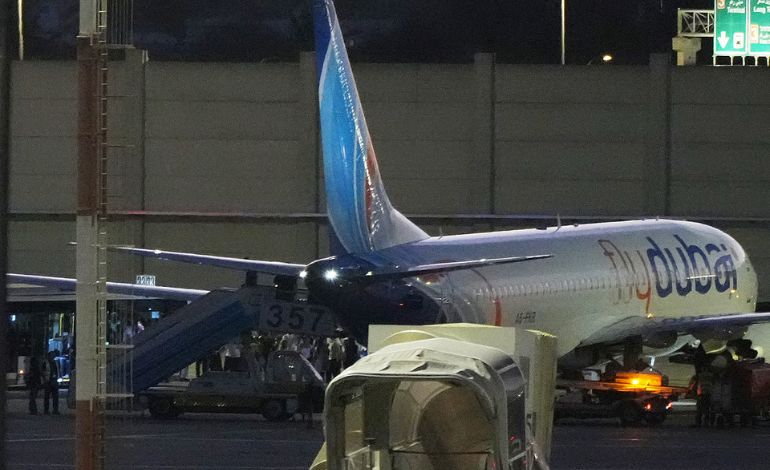
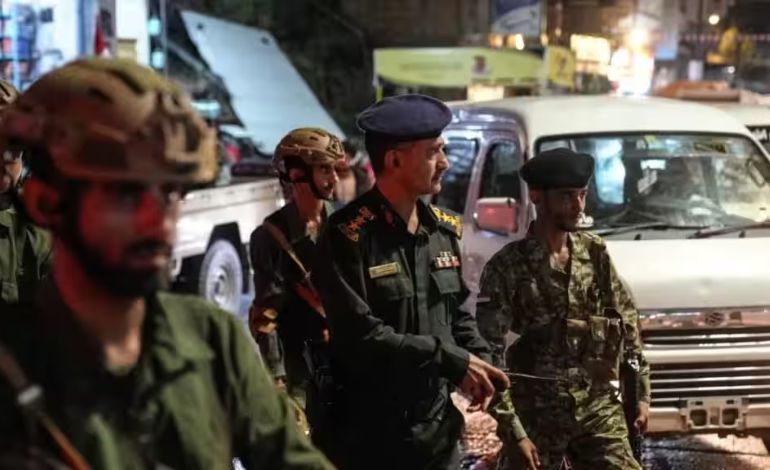
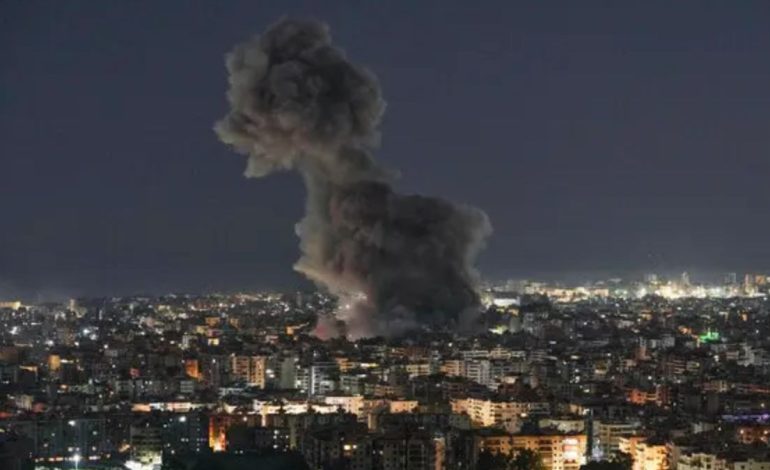
The attacks in question occurred early Saturday morning, targeting Bahrain, Saudi Arabia, and the United Arab Emirates. These were not minor incidents but coordinated strikes significant enough to demand an official response. Yet the apology itself introduces a narrative that strains credibility: the president suggested these attacks resulted from miscommunication within Iran’s military and governmental ranks.
This framing raises an immediate question: How do significant, coordinated attacks across three nations happen because of miscommunication? The explanation seems designed to create distance between official policy and the actions taken—a diplomatic way of saying that rogue elements acted without proper authorization. Whether this reflects reality or merely serves rhetorical purposes remains unclear.
A Conditional Cessation
Perhaps more revealing than the apology itself was Pezeshkian’s announcement of what comes next. Iran’s temporary leadership council, he said, had approved a suspension of attacks against neighboring countries—but with a critical caveat. The suspension would hold “unless an attack on Iran came from those countries.”
This is conditional deterrence dressed in the language of restraint. It is not a promise to stop; it is a threat suspended. The distinction matters enormously. It allows Iran to frame itself as the responsible actor taking a step toward stability while simultaneously reserving the right to resume hostilities if circumstances change. It is a position that costs little while claiming much.
Defiance in the Face of External Pressure
While offering apologies to neighbors, Pezeshkian showed no such contrition toward the United States. When addressing American demands, the president’s tone shifted dramatically.
“A demand by the United States for an unconditional surrender is a ‘dream that they should take to their grave,'” he said, his words carrying defiance that stood in sharp contrast to the reconciliatory message moments before.
This juxtaposition reveals the complex balancing act Iran is attempting. The apology to regional neighbors serves domestic and regional audiences. The defiance toward Washington serves a different purpose: maintaining credibility with hardliners at home and signaling resolve to external critics.
What This Moment Reveals
The apology, unusual as it is, does not necessarily signal a fundamental shift in Iranian policy. Instead, it reflects the realities of being a regional power caught between internal pressures and external constraints.
Several factors likely converged to produce this moment:
Regional Consequences: The attacks clearly had consequences that forced recalibration. Whether through economic pressure, internal dissent, or diplomatic isolation, Iran apparently concluded that some acknowledgment was necessary.
Internal Divisions: The explanation about miscommunication, while questionable, hints at real tensions within Iran’s leadership structures. The mention of the temporary leadership council approving the suspension suggests formal processes and potential disagreement about next steps.
Asymmetric Positioning: By apologizing to neighbors while defying the United States, Iran positions itself as the more reasonable party in the equation—willing to negotiate with regional actors while refusing to capitulate to external powers.
The Precedent Question
Apologies from Iran’s leadership are rare enough to warrant attention. State officials don’t typically issue formal apologies for military actions without significant motivation. That this apology came wrapped in caveats and conditions speaks to the careful calibration required.
This is not a wholesale reversal of Iranian policy. It is not even necessarily a sign that tensions are easing. Rather, it is a tactical adjustment—a way of regaining diplomatic footing after an escalation that may have crossed unintended lines.
Looking Ahead
The critical question now becomes whether this suspension holds and what triggers its dissolution. The conditional nature of Iran’s commitment means stability remains fragile. A single incident—real or perceived—could reignite tensions.
For regional neighbors, the apology offers modest reassurance but limited guarantee. They have been assured of temporary safety contingent on their own restraint. For the broader international community, the statement reveals an Iran attempting to manage multiple audiences simultaneously: playing peacemaker with neighbors while maintaining confrontational postures elsewhere.
The Broader Context
What we are witnessing is not peace but rather a recalibration of conflict. The apology is less about genuine contrition and more about cost-benefit analysis. When the costs of escalation become too high, even regional powers reconsider their approach.
This moment, then, tells us less about Iran’s intentions going forward and more about the complex pressure points that shape Middle Eastern geopolitics. It reminds us that diplomacy in the region often works not through grand gestures of goodwill but through careful management of risk, credibility, and face-saving.
The attacks happened. The apology came. Whether either fundamentally changes the trajectory of regional tensions remains to be seen. For now, an uneasy pause has replaced active hostilities—which, in the current context, may be the most that can reasonably be hoped for.
Also Read:
Iranian Envoy Denies Tehran Ordered Attack on US Embassy in Riyadh
Saudi Arabia Intercepts 3 Ballistic Missiles Aimed at Prince Sultan Air Base