


Missile Fire from Iran and Lebanon Sets Off Sirens Across Israel
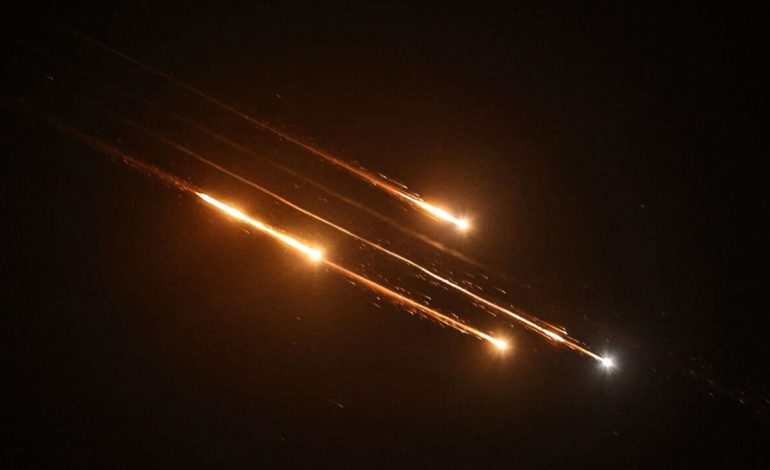

JERUSALEM — The sirens began Wednesday afternoon and did not stop. Across Jerusalem, Tel Aviv, Haifa, and dozens of communities in between, the familiar wail sent residents racing for shelter. Multiple barrages. Multiple fronts. A nation under fire.
For the fifth consecutive day, Israel finds itself in a war it did not start but cannot end. The missiles coming Wednesday arrived from two directions: Iran to the east, Hezbollah in Lebanon to the north. Smaller launches were detected from Iraq as well, where Iranian-backed militias have joined the fight.
The Israeli military reported that defensive systems were intercepting threats in real time. AFP journalists in Jerusalem heard several blasts and multiple rounds of sirens throughout the afternoon and early evening. In Tel Aviv, the commercial heart of the country, alerts sent workers scrambling from office towers.
A Changing Pattern
Despite the intensity, military spokesman Lt. Col. Nadav Shoshani noted something significant: the volume of fire from Iran is decreasing.
“Many dozens” of missiles on the first day, he told reporters. Then “a few dozen.” By Wednesday, some barrages consisted of a single missile rather than waves of projectiles.
The shift suggests several possibilities. Iran’s stockpiles may be depleted after days of strikes—the US and Israel claim to have destroyed roughly half of Tehran’s missile reserves. Iranian launchers may be struggling to operate under constant threat of counterattack. Or Tehran may be conserving its remaining firepower for a larger escalation.
From Lebanon, the pattern is different. Hezbollah launched its first attacks Monday and has continued firing since. Most launches are intercepted, the military said, but each barrage forces millions into shelters and keeps the country on edge.
The Human Toll
The numbers tell a story of a nation under siege. Since Saturday, Israel’s Magen David Adom emergency service has treated 414 casualties. Ten are dead. Two remain seriously injured. Six moderately. The rest, 396 people, have suffered light injuries from shrapnel, blast effects, or the chaos of rushing to shelter.
Wednesday added to that toll. Two people in central Israel were hospitalized—a man in his thirties with shrapnel wounds, another with blast injuries. Police reported five locations in the Jerusalem area where intercepted projectiles fell, causing damage but no deaths.
In a country where every siren triggers memories of past wars, the psychological weight accumulates. Children learn to run. Adults calculate how many seconds they have to reach shelter. The ordinary rhythms of life—work, school, shopping—continue under the shadow of incoming fire.
Multiple Fronts
What makes this conflict different is its breadth. Israel has fought wars against Hamas in Gaza, against Hezbollah in Lebanon, against Iranian proxies in Syria. It has never fought all of them at once while also exchanging direct fire with Iran itself.
The launches from Iraq add another layer. Small so far, mostly drones rather than missiles, but significant as a signal. Iran’s network of proxies across the region is activating. The “axis of resistance” is living up to its name.
For Israeli planners, the challenge is defensive and offensive simultaneously. Intercepting incoming fire consumes expensive missiles and risks exhaustion. Striking back at launch sites requires intelligence and precision. And all of it happens while the home front remains exposed.
What Comes Next
The military says defensive systems are holding. Most missiles are intercepted. Casualties remain relatively low. But no one in uniform or in government will say when this ends.
The decreasing volume from Iran offers a sliver of hope. If Tehran’s capacity to launch is diminishing, the intensity of fire may continue to decline. But Hezbollah retains significant capabilities. And the political calculations in Tehran remain opaque.
For now, Israelis live by the siren. Run to shelter. Wait for the all-clear. Emerge and resume. Then do it again an hour later.
Five days into a war that has already reshaped the Middle East, the only certainty is more sirens to come.
Also Read:
What the UK Shelter-in-Place Warning Means for Citizens in the Gulf
Iran Strikes Impact UAE: Defense Ministry Confirms Three Deaths and 58 Injuries