

What the UK Shelter-in-Place Warning Means for Citizens in the Gulf

LONDON — For British expatriates living in the Gulf, Sunday brought a message no one wants to receive from their government: stay where you are, and do not move.
The UK Foreign Office issued an urgent advisory for British citizens in Bahrain, Kuwait, Qatar, and the United Arab Emirates. The instruction was simple and direct: “shelter in place.” The travel advice was elevated to “against all but essential travel” for all four nations.
For the hundreds of thousands of Britons who call the Gulf home—working as engineers, teachers, bankers, and nurses—the warning transforms a distant conflict into a personal reality. Here is what it means, and what those affected need to know.
The Language of Lockdown
“Shelter in place” is not a phrase governments use lightly. It is emergency protocol language, typically reserved for natural disasters, active security threats, or situations where moving about freely could put citizens in danger.
In practice, the instruction means:
- Remain indoors whenever possible
- Avoid unnecessary movement or travel
- Follow the instructions of local authorities
- Keep updated with official channels for further guidance
The Foreign Office also urged British nationals to “register your presence”—a formal notification to the embassy or consulate that allows officials to account for citizens and reach them with emergency information.
Why Now?
The timing of the advisory is no coincidence. Over the past 48 hours, the Gulf region has witnessed a dramatic escalation in hostilities following the killing of Iran’s Supreme Leader and subsequent US-Israeli strikes deep inside Iranian territory.
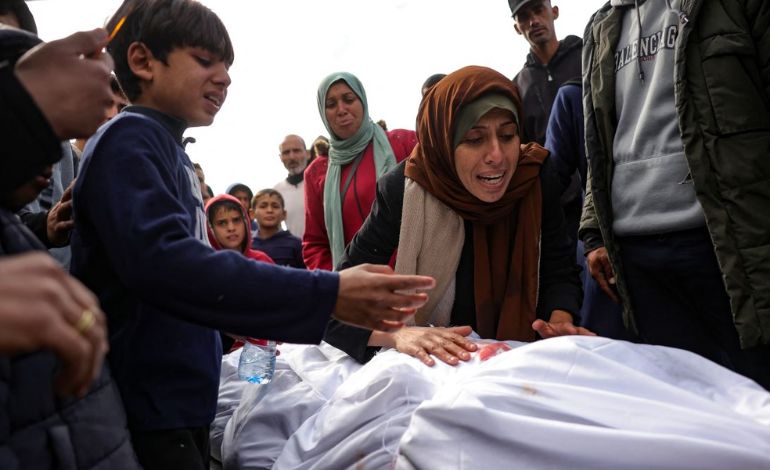
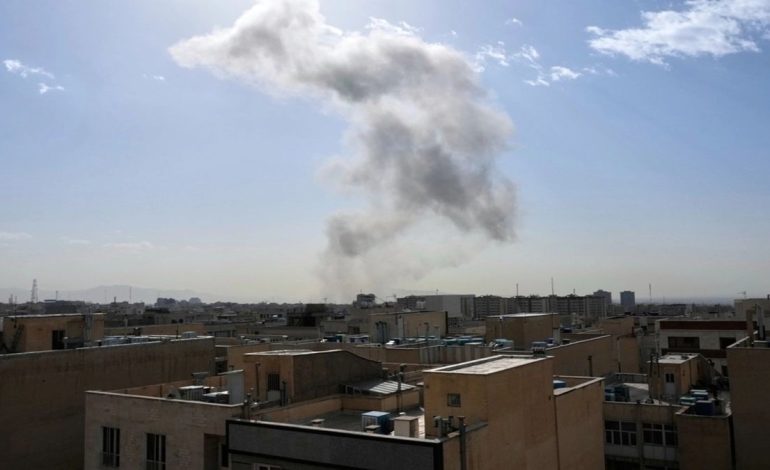
Iran’s retaliatory campaign has spread beyond military targets. Missiles and drones have struck civilian areas across the UAE, Qatar, Oman, and Bahrain. Dubai’s international airport, Abu Dhabi’s Etihad Towers, Qatar’s industrial zones, and Oman’s Duqm port have all sustained damage. Three foreign workers in the UAE have been killed. Dozens more have been injured across multiple countries.
When a nation’s critical infrastructure—airports, ports, commercial hubs—comes under fire, the safety of moving through public spaces can no longer be guaranteed. The UK government’s assessment is clear: the risk is now significant enough to warrant an official warning.
What “Essential Travel” Means
The “all but essential travel” designation is the second-highest warning level in the UK system. It advises against visiting these countries unless absolutely necessary—for family emergencies, critical business obligations, or other pressing reasons.
For Britons already in the region, it does not mandate departure. But it does signal that the Foreign Office believes the situation is volatile and could deteriorate further. Those who choose to remain should do so with caution and a clear plan.
The Practical Implications
For British families in Dubai, Doha, Manama, or Kuwait City, the warning raises immediate questions:
Should I go to work tomorrow? That depends on local conditions and employer guidance. Many companies in the Gulf have already shifted to remote work or closed offices in affected areas. If movement is necessary, keep journeys short and stay informed about air defense activity in your area.
What about school? Several Gulf countries have announced school closures or shifts to remote learning. Check with your children’s schools directly and follow local education authority guidance.
Is my home safe? “Shelter in place” assumes that indoor locations offer better protection than outdoor spaces. If you live in a high-rise building near potential targets—government facilities, military installations, symbolic landmarks—familiarize yourself with the building’s safety procedures. Interior rooms without windows offer the best protection from external blasts or debris.
What if I need to leave? Commercial flights are still operating at many Gulf airports, though disruptions are possible. The Foreign Office will likely assist with evacuation planning if the situation worsens, but for now, citizens are expected to make their own arrangements if they choose to depart.
A Regional Perspective
The UK is not alone in its assessment. Other Western nations have issued similar warnings or are reviewing their posture. The UAE’s own government has urged residents to rely on official sources and avoid spreading rumors—a sign that authorities are concerned about public panic.
For Gulf states that have built their economies on openness, tourism, and expatriate labor, these travel advisories carry economic consequences. But for the families receiving them, the economic impact is secondary to personal safety.
The Human Element
Behind the official language are real people making difficult decisions. The British teacher in Dubai weighing whether to send children to school. The oil executive in Kuwait wondering if a business trip to Doha is worth the risk. The retired couple in Bahrain questioning whether to ride out the storm or book the next flight to London.
The Foreign Office cannot make those decisions for individuals. What it can do is provide the clearest possible picture of the risks—and let citizens decide.
For now, the message is clear: the Gulf is no longer a safe harbor from regional conflict. Stay inside. Stay informed. And be ready for whatever comes next.
Also Read:
Netherlands gets world’s first openly gay PM Making history by taking oath at age 38
Inside the Military Action: Israel Striking Key Targets Deep in Tehran