




From Recovery to Reunion: Gaza Children Head Home After Treatment in Jordan
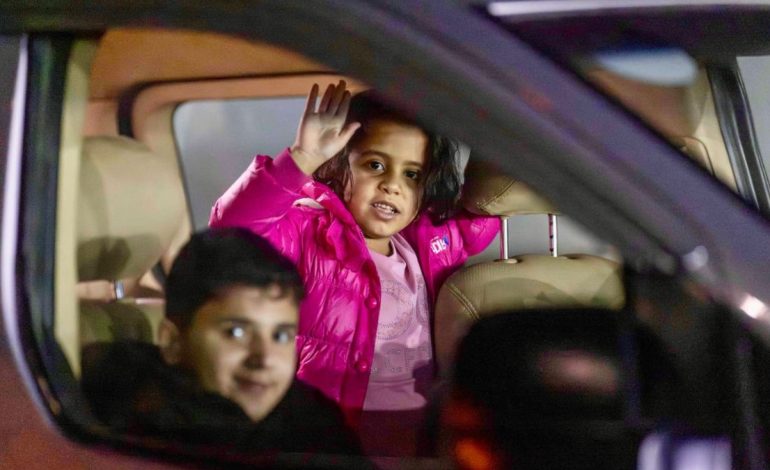

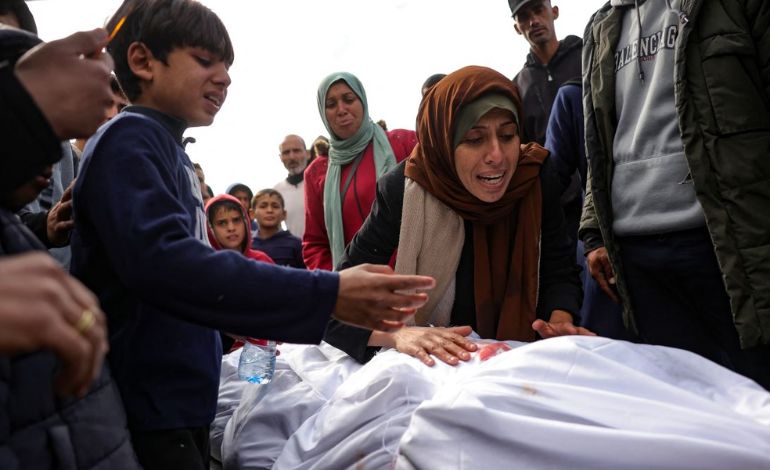
A group of Palestinian children is heading home to Gaza after receiving medical treatment in Jordanian hospitals—a small but significant moment of hope amid the devastation of war.
The group, which included 10 children and 18 members of their families, crossed the King Hussein Bridge on the border between Jordan and the West Bank on Wednesday, according to the Jordan News Agency. From there, they will continue their journey back to Gaza.
A Lifeline of Care
Jordanian authorities said the children’s return followed medical treatment provided in line with the Kingdom’s commitment to supporting Palestinians and preventing their displacement from their land. Since March last year, Jordan has been organizing medical evacuations from Gaza, bringing patients to its hospitals for care unavailable in the war-torn territory.
To date, 635 children and 1,598 accompanying caregivers have been transported to Jordanian hospitals. Each number represents a life—a child who received treatment, a family member who stayed by their side, a story of survival against overwhelming odds.
The Journey Home
For these 10 children and their families, crossing the bridge from Jordan into the West Bank is the first step of a longer journey. They still must navigate the complexities of movement between Palestinian territories before finally reaching Gaza, where they will return to communities devastated by more than two years of war.
Their homes may be damaged or destroyed. Their neighborhoods may be unrecognizable. But they are going home—a destination that, for many Gazans, has become the most precious and elusive goal.
A Commitment Sustained
Jordan’s medical evacuation program represents one of the few consistent channels for Gazans to access specialized healthcare. While international attention has focused on ceasefires and diplomatic maneuvers, Jordanian hospitals have quietly treated hundreds of children, providing care for conditions ranging from war wounds to chronic illnesses.
The program also reflects Jordan’s longstanding role in the region—a neighbor that has absorbed Palestinian refugees across generations, maintained ties to Jerusalem’s holy sites, and consistently advocated for Palestinian rights.
What It Means
For the children returning home, the treatment they received in Jordan may have saved their lives or restored their health. For their families, the journey offered respite from the constant pressure of survival in Gaza. For the broader community, each return is proof that displacement is not permanent—that it is possible, even in the midst of catastrophe, to go home.
The bridge they crossed connects not just two pieces of land but two stages of a journey: from patient to survivor, from recipient to returned, from care to home. For 10 children and their families, that journey is now complete.
In Gaza, they will find destruction. They will also find family, neighbors, and the stubborn persistence of life. They return to a place that has lost much but has not lost hope. And in that, they are not alone.
Also Read:
Saudi Ambassador Officially Presents Credentials to Nepal’s President
Can the Third Round of Talks Prevent a Wider Conflict in the Middle East?