



World Bank Steps In with $50 Million for Syria’s Infrastructure Development
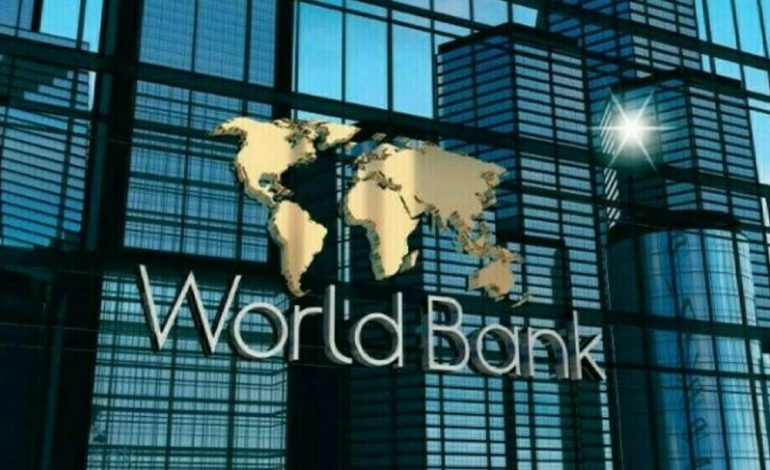

The World Bank has allocated $50 million to support vital transportation projects in Syria, marking a significant international engagement with the country’s reconstruction efforts after more than 13 years of conflict.
The funding follows a meeting between Syria’s Transport Minister Yarub Badr and World Bank Regional Director for the Middle East Jean-Christophe Carret at the ministry’s headquarters in Damascus. Discussions focused on supporting and developing Syria’s transport sector, including improving worker skills and operational efficiency.
What the Funding Will Support
The $50 million will secure the purchase of 15 new locomotives and fund a study on maintaining existing ones—essential investments for a country whose transportation infrastructure has suffered extensive damage during the war. The move comes as the World Bank estimates Syria’s reconstruction costs at $216 billion, according to its Syria Physical Damage and Reconstruction Assessment 2011–2024 report released in October.
The conflict impacted nearly one-third of Syria’s total assets, with direct damage to infrastructure, homes, and other buildings estimated at around $108 billion.
Beyond Locomotives
The meeting also reviewed the phosphate transport corridor project, with both sides agreeing on “the importance of reassessing its economic feasibility to determine the necessary financial estimates and clarify the related figures to ensure its sustainability and effective development.”
Minister Badr stressed “the importance of continued cooperation with the World Bank in implementing infrastructure-related projects, noting that such cooperation contributes to accelerating Syria’s economic recovery.”
Carret affirmed the World Bank’s willingness to back development initiatives and emphasized “the importance of building a long-term, sustainable partnership with Syria.”
Next Steps
Both parties agreed to convene a technical session next week to follow up on key points discussed and fast-track cooperation. The talks build on previous discussions held via video conference between Badr and World Bank transport officials, which focused on the railway network’s readiness and the phosphate railway corridor’s economic and strategic significance.
What It Means
For Syria, the World Bank’s engagement represents both practical support and international recognition. The $50 million, while modest relative to the $216 billion reconstruction need, addresses critical transportation infrastructure that affects every sector of the economy. New locomotives mean more reliable movement of goods and people. Technical cooperation means knowledge transfer and capacity building.
For the World Bank, the funding signals a willingness to engage with Syria’s recovery despite ongoing political complexities. The focus on sustainable, economically viable projects—reassessing the phosphate corridor, improving operational efficiency—reflects a development approach that prioritizes long-term impact over short-term relief.
For Syrians, who have endured more than 13 years of conflict and displacement, the news offers a small but concrete sign that international institutions are preparing to support their country’s future. The road ahead remains long, but $50 million for locomotives is a start.
Also Read:
UAE Housing Market Trends: Will Home Sales Slow Down This Year?
Why Sudan Slams Uganda for Hosting RSF Chief Amid Rising Tensions