Fresh Clashes Kill Six During Iran Cost-of-Living Protests
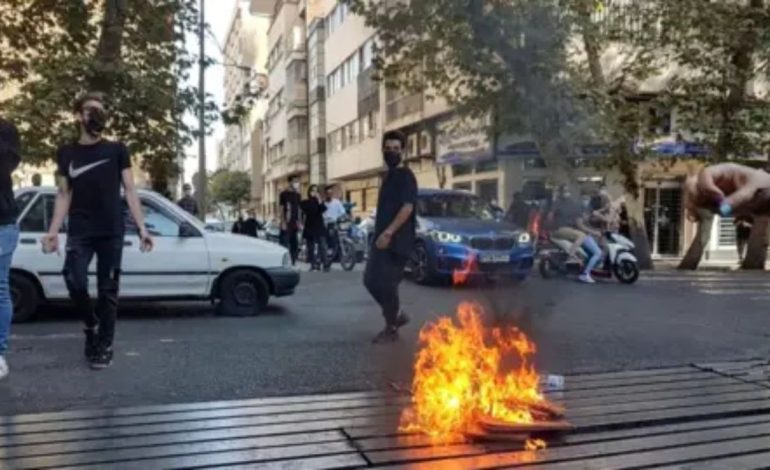

The simmering pot of economic despair in Iran has boiled over, and this time, the steam is tinged with blood. What began days ago as strikes by Tehran shopkeepers, a collective cry against crippling prices and a stagnant economy, has erupted into violent clashes across several cities. The grim tally, as reported by Iranian state media itself: six lives lost. These are the first reported fatalities in this new wave of unrest, a dark marker that the gulf between the people and the state is widening.
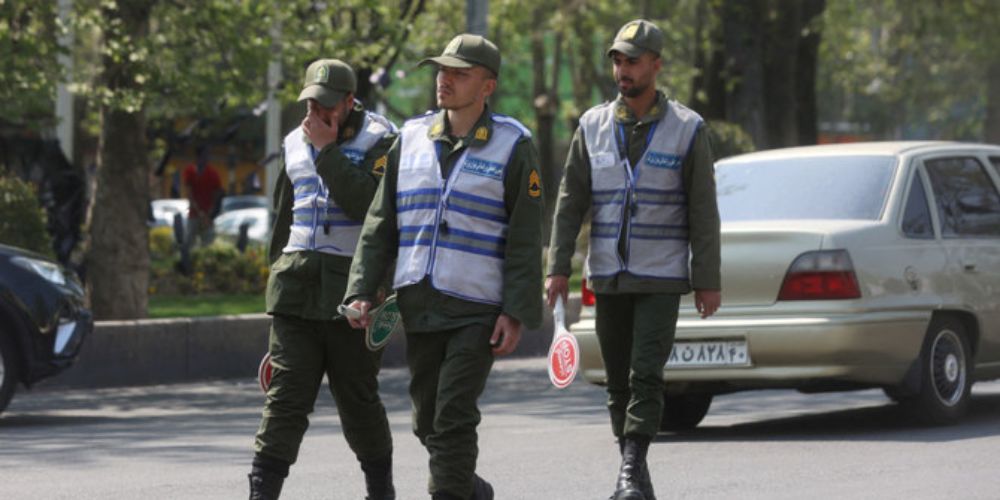
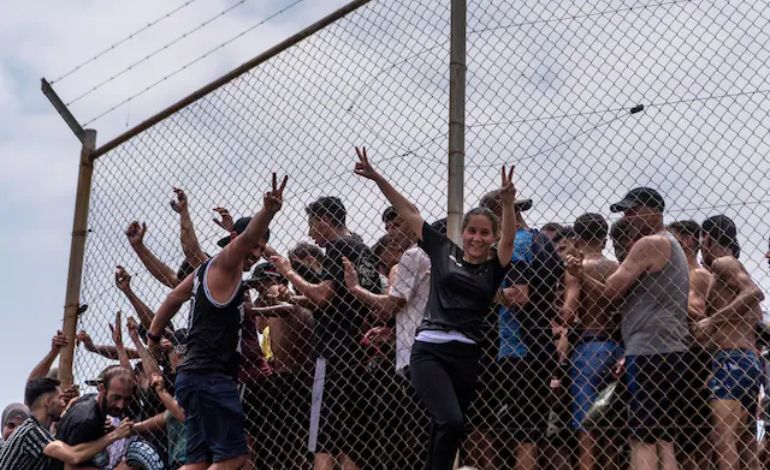
The scenes described are chaotic and tense. In Lordegan, protesters are said to have hurled stones at government buildings—the governor’s office, a mosque, banks—meeting a police response of tear gas. In Azna, a police station was reportedly attacked. State media, using familiar language, labels these demonstrators “rioters” and speaks of arresting “ringleaders.” But amidst this, another narrative is told: a 21-year-old member of the Basij, the volunteer paramilitary force, was killed in Kouhdasht, “defending public order” against stone-throwing protesters, with over a dozen security personnel injured.
This is the fractured picture of a nation under immense pressure. The national currency, the rial, is in freefall, having lost a third of its value. Hyperinflation runs at a staggering 52%, relentlessly eroding the purchasing power of ordinary families. For many, the simple act of buying food and heating their homes has become a daily crisis.
The government’s response reveals its own internal tensions. President Masoud Pezeshkian has struck a conciliatory tone, acknowledging the “legitimate demands” of protesters and starkly warning that neglecting livelihoods could lead society to “end up in hell.” He has urged his own government to act. Yet, this sits uneasily alongside promises from other authorities of a “firm” and “decisive response” to any perceived chaos. The prosecutor general drew a clear line: peaceful economic protests are legitimate, but any move toward “insecurity” will be crushed.
This new unrest, while smaller in scale so far than the massive 2022 protests sparked by Mahsa Amini’s death, carries a potent symbolism of its own. A viral video from Tehran, showing a solitary figure sitting cross-legged in a street, facing down a phalanx of motorcycle police, has captured the global imagination. State TV’s attempt to discredit it as staged only underscores its power as an emblem of quiet, profound defiance.
The context is critical. Iran is in the midst of an extended, officially declared holiday weekend—a move authorities attributed to energy saving, not the protests. It is a period of suspended normalcy, where frustration has found space to breathe and gather.
These protests are, at their core, about the cost of bread and dignity. But in Iran, the economic and the political are inseparable threads of the same fabric. The desperation over empty wallets and cold homes can swiftly transform into a broader challenge against the structures that preside over such hardship. The deaths in Lordegan, Azna, and Kouhdasht are a tragic testament to how quickly that transformation can turn lethal.
As night falls over Iranian cities, the question hangs heavy: will the state heed the president’s call to address the crushing economic grievances, or will it double down on the promise of a “decisive response”? The hope for a peaceful resolution is now balanced against the sobering reality of six lives lost, a stark reminder that when people are pushed to the brink, the outcome is written in the streets, often in shades of tragedy. The world watches, knowing that Iran stands at another painful crossroads.
Also Read:
Gulf Nations Stand with Yemen to Improve Regional Security
Israel Army Kills Attacker After Car-Ramming Attempt in West Bank