
US Launches New Strikes Against Iran Following Strait of Hormuz Ship Attacks
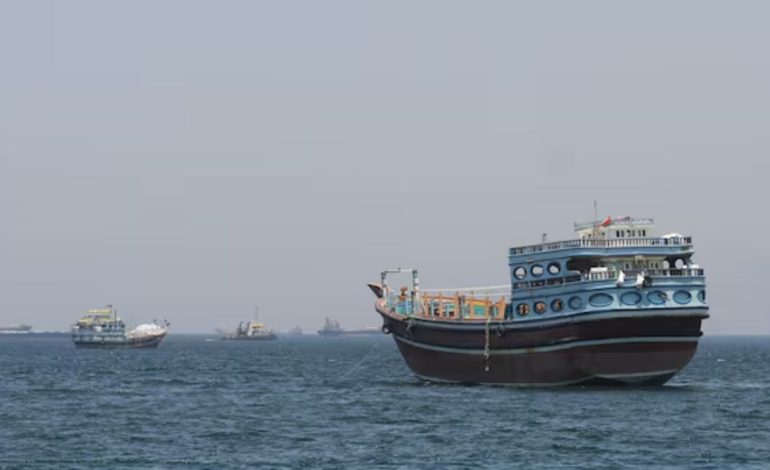

DUBAI — The United States military launched new strikes against Iran early Wednesday, hours after three merchant ships were struck in the Strait of Hormuz, in the latest exchange of fire to threaten the fragile interim peace deal between the two countries.
US Central Command said American forces launched the strikes “to impose heavy costs for targeting and attacking commercial shipping crewed by innocent civilians in an international waterway.” The command called Iran’s action “unwarranted, dangerous, and a clear violation of the ceasefire.”
The attacks were the most in a single day since late April, according to the UN International Maritime Organization, and revived concerns about freedom of navigation just as countries hoped to restore normal shipping practices and ease the global economic strain of the war.
In a separate move, the United States revoked a license that had authorized the sale of Iranian oil as part of the interim deal. A US official said the license was revoked because Iran’s actions in the strait were unacceptable and needed to be met with consequences.
Ships Struck in the Strait
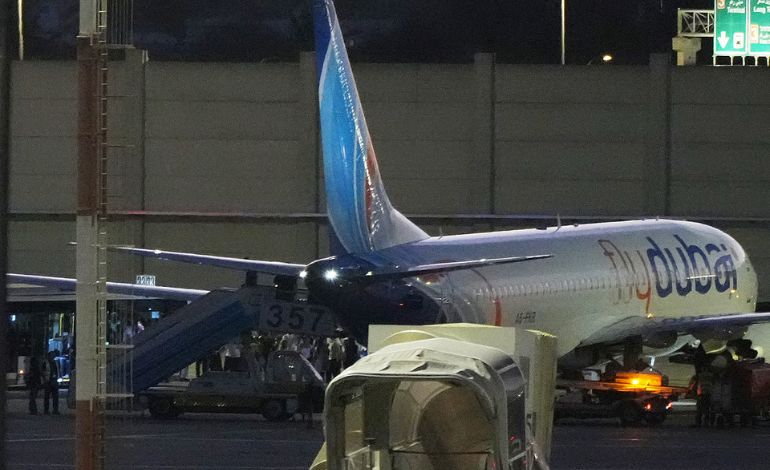
One liquefied natural gas tanker was traveling off the coast of Oman when it was hit and caught fire. The UK Maritime Trade Operations center said the vessel sustained damage but no injuries were reported. Qatari Foreign Ministry spokesperson Majed Al-Ansari said the Qatari tanker Al-Rekayyat was targeted in an “unacceptable attack” on international navigation and global energy security, calling it a “serious and explicit violation” of international law. Qatar holds Iran “fully legally responsible.”
A second tanker was hit as it exited the strait near the Omani-Emirati border, and a third was struck by a drone off Oman, the UK agency reported. All three attacks occurred off the coast of Oman or the UAE, suggesting the ships were using a route near Oman that Iran has repeatedly declared unsafe.
Iran’s deputy foreign minister, Kazem Gharibabadi, said the US strikes are a violation of the agreement. The Iranian Foreign Ministry condemned the US move to revoke the oil license, stating that “the US government bears responsibility for the consequences of this breach of commitment.”
Talks on Hold
Meanwhile, talks between Iran and the US appeared to be on hold until after the burial of Iran’s Supreme Leader Ayatollah Ali Khamenei, who was killed at the beginning of the war. Mourners gathered in Qom on Tuesday for the funeral, with the body later transported to Najaf, Iraq. Processions are planned in Najaf and Karbala before Khamenei is returned to Iran for burial at the Imam Reza shrine in Mashhad.
The fresh attacks have threatened to derail the hard-won ceasefire and complicate negotiations aimed at fully reopening the strait, rolling back Tehran’s nuclear program, and reaching a permanent end to the war launched Feb. 28. The US and many Gulf Arab states say they will not agree to Iran charging for passage through the strait, while Tehran has insisted it must control vessels’ routes.
Also Read:
GCC and Italy Sign Strategic MoU in Rome to Boost Bilateral Cooperation
How G42’s Inception42 and Microsoft Are Transforming Government Operations with AI Assistants