

Iran War Triggers Historic Economic Shock Across the Middle East

RIYADH — The Iran war has delivered the broadest economic shock to the Middle East and North Africa in at least half a century, according to an analysis by Asharq Business with Bloomberg.
For the first time since the 1940s, a regional conflict directly affected 10 countries: Iran, the six Gulf states, Iraq, Lebanon, and Israel. The combined nominal GDP of these economies is about $4 trillion — roughly 70 percent of the MENA economy and 3 percent of global output, a share unmatched by any previous crisis.
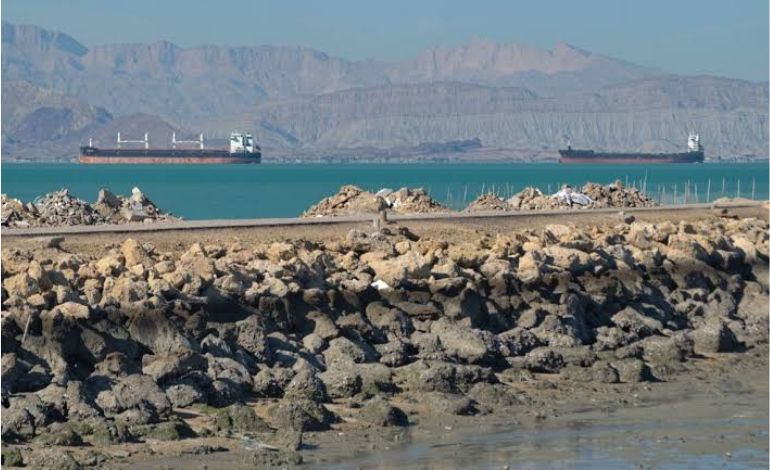
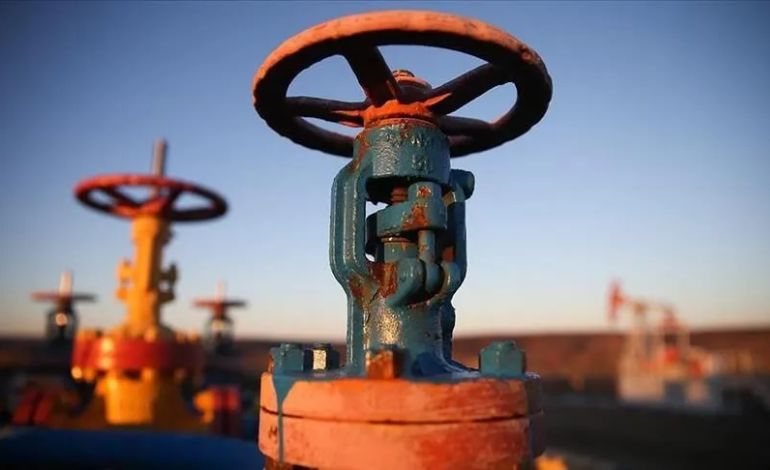
The war disrupted oil and gas production across most Gulf countries, pushing OPEC output in May to its lowest level since 1985. Unlike the 1970s oil shock, which launched a Gulf boom, this crisis threatens higher costs from disrupted trade and damaged investor confidence, just as the region was gearing up for postwar reconstruction in Syria, Lebanon, and Sudan.
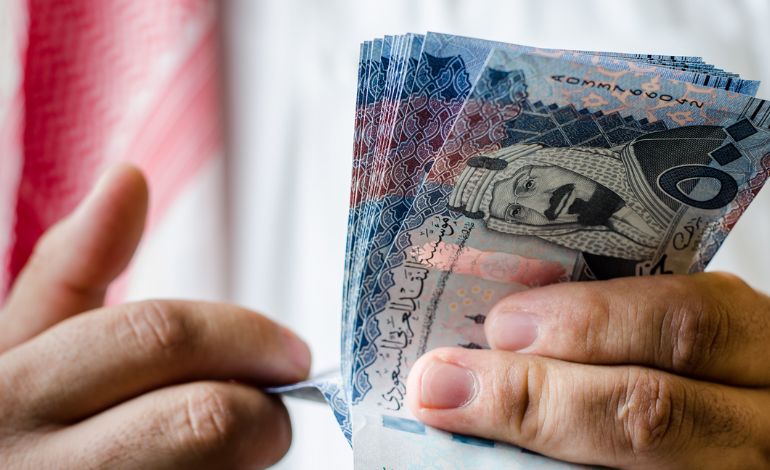
Saudi Arabia’s economy has shown resilience through multiple crises, helped by the East‑West pipeline that bypasses the Strait of Hormuz. The Kingdom posted positive GDP growth in every major shock reviewed — including a forecast 3.1 percent in 2026.
Recovery will depend on how quickly the war ends, whether the strait reopens, and if energy exports normalize. A rebound could bring a sharp V‑shaped recovery, but ensuring no repeat conflict is essential for tourism, investment, and non‑oil sectors that underpin long‑term diversification.
Also Read:
Saudi Arabia Gears Up for Entrepreneurship Week Beginning June 14
Saudi Arabia and Turkiye Sign Landmark Rail Cooperation Agreement