

Huawei Dispute Sparks Fresh China-US Tensions During Argentina’s Strategic Shift
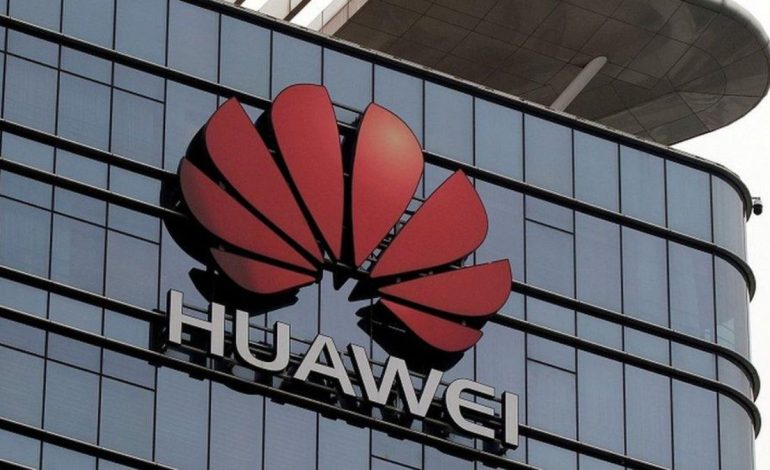

BUENOS AIRES — China and the United States are clashing diplomatically in Argentina as President Javier Milei seeks to preserve his close alliance with Washington while pursuing deeper economic ties with Beijing.
China’s embassy in Buenos Aires accused the United States of hypocrisy on Thursday after an electricity cooperative in Neuquen province said the US Embassy threatened to revoke its executives’ visas over an agreement with Huawei. “These actions fully reflect the arrogance and prejudice of the United States,” the embassy said in a statement.
The dispute centers on CALF, the largest electricity distributor in southern Argentina, which announced in July it would expand its strategic partnership with Huawei to advance its connectivity network. The cooperative said an executive received WhatsApp messages warning that US visa restrictions could apply to those involved in expanding Huawei’s operations in the country.
US Ambassador Peter Lamelas confirmed the messages reflected official US policy and wrote on social platform X that “denying or revoking a visa is not a punishment; it is a decision made to protect the country’s security and interests.” He also sent CALF a letter requesting a meeting and offering assistance in evaluating technological alternatives from US companies.
The clash comes as Milei walks a careful diplomatic line, remaining one of President Donald Trump’s closest allies in the region while deepening commercial ties with China, one of Argentina’s top trading partners. On Wednesday, Argentina renewed its bilateral currency swap agreement with China for five years. Foreign Minister Pablo Quirno is also expected to visit China in the coming months to strengthen economic ties.
The Trump administration has stepped up efforts to counter China’s influence in Latin America, invoking what officials describe as a modern-day Monroe Doctrine. The US has revoked visas of three senior Chilean officials and threatened to reassert control over the Panama Canal in the ongoing geopolitical dispute.
The Argentine Federation of Electricity and Public Services Cooperatives said its members “do not respond to corporate interests or geopolitical strategies” and formally requested a meeting with Lamelas. “In some ways, Trump has given Argentina breathing room,” said Benjamin Gedan of the Stimson Center, “but deals with Huawei are often a red line for the United States.”
Also Read:
Masam Eliminates Thousands of Mines and Unexploded Ordnance in Yemen
Major Wind Turbine Shipment Arrives at Saudi Port to Support Green Energy Goals