

France and Saudi Arabia Strengthen Strategic Ties Amid Iran and Gaza Developments
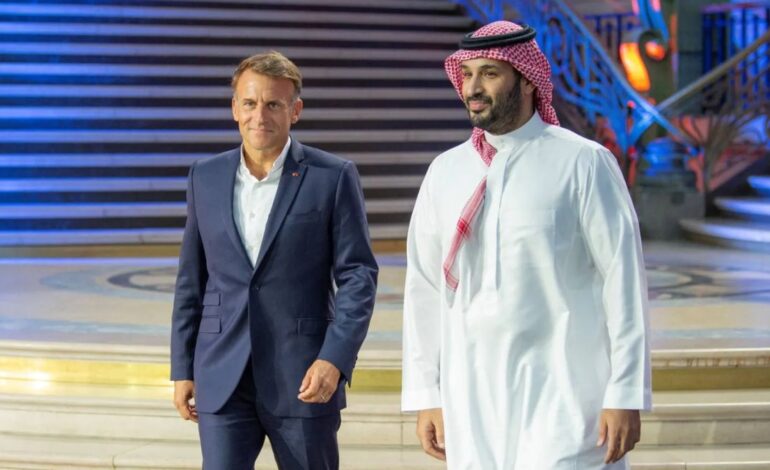

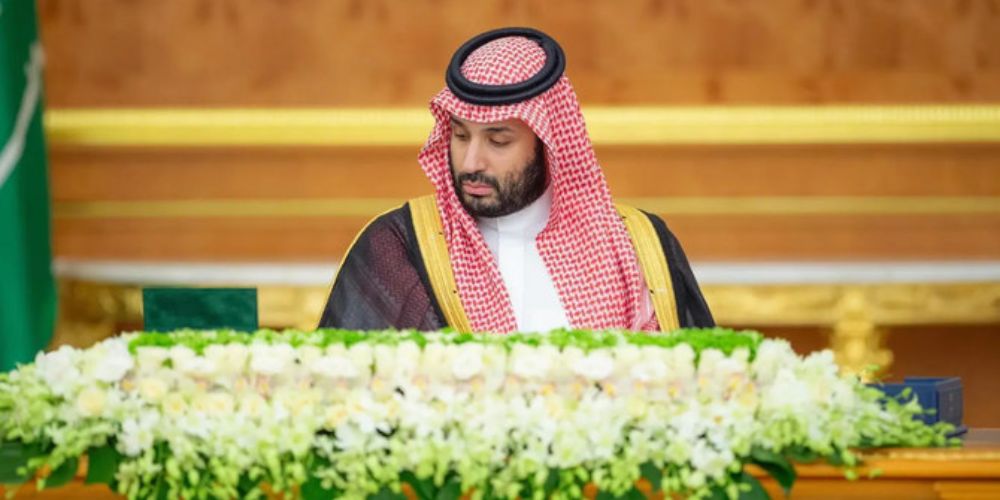
Agreements reached during Saudi Crown Prince Mohammed bin Salman’s recent state visit to France highlight a deepening partnership between Paris and Riyadh, one that now extends well beyond economic cooperation into some of the Middle East’s most pressing geopolitical challenges.
That was the central takeaway from a discussion held at the French Senate examining the visit and the agreements announced alongside French President Emmanuel Macron. The briefing was delivered by Faisal J. Abbas, editor-in-chief of Arab News, who was part of the accompanying press delegation, and moderated by French Senator Nathalie Goulet. Former French ambassador to Saudi Arabia Francois Gouyette also took part.
Abbas described the announcements as further proof of the strength and alignment of the Saudi-French relationship, noting that momentum has continued building over the past three to four years. At the center of this cooperation is the Saudi-French Strategic Partnership Council, which Gouyette said focuses on three key areas: the broader Middle East situation, particularly Iran; the war in Gaza and developments in the West Bank; and expanding bilateral ties further, including cooperation around AlUla.
On Iran, Abbas emphasized the importance of pursuing a diplomatic resolution, noting that starting a war is far easier than ending one and warning that military escalation would carry consequences extending well beyond the region, including for the global economy. On the Palestinian issue, he reiterated that a two-state solution remains the only viable path forward, pointing to the roles both France and Saudi Arabia are playing in advancing that goal.
Syria emerged as another area of growing cooperation, with Abbas highlighting the trilateral framework involving France, Syria, and Saudi Arabia, along with support for Syrian President Ahmed Al-Sharaa. Lebanon was also flagged as a priority, with France backing the country’s stability while condemning aggression against Gulf Cooperation Council states and threats to freedom of navigation in the Strait of Hormuz.
Economic cooperation featured prominently alongside the geopolitical discussions. A total of 22 memorandums of understanding and other agreements were signed during the visit, spanning multiple sectors. Among the announced projects was a planned theme park, part of an overall investment package estimated at around €6 billion and expected to generate as many as 22,000 jobs — underscoring the scale of the economic ambitions tied to the relationship.
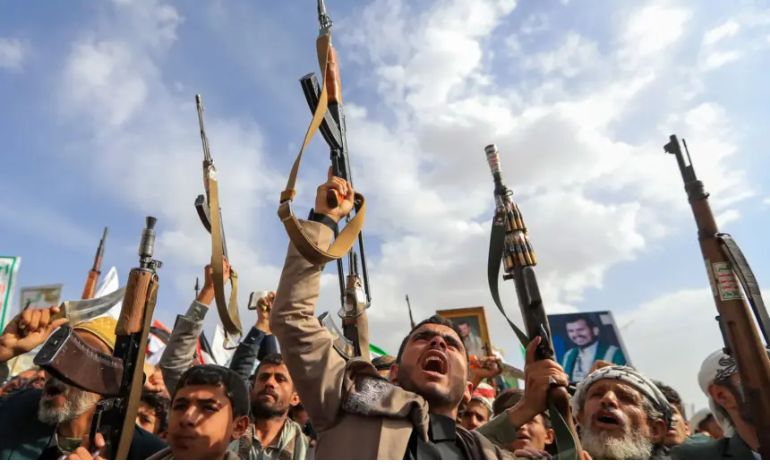
The discussion also addressed Yemen, with Abbas recalling that Saudi Arabia raised concerns about the Houthi threat roughly a decade ago, including with the Obama administration, and arguing that subsequent developments have validated those early warnings. He stressed that ending the conflict should now be the top priority, noting that doing so would benefit Saudi Arabia directly and not just its allies. He also distinguished between the strategic weight of the Bab Al-Mandab strait and the Strait of Hormuz, arguing the latter carries far greater significance for the global economy.
Gouyette emphasized the complementarity between France and Saudi Arabia in addressing regional challenges, while Senator Goulet pointed to the link between a country’s international image and investor confidence, noting Saudi Arabia’s strong ranking with the Financial Action Task Force as a factor supporting its economic ambitions.
Women’s empowerment and broader social change in the Kingdom also featured in the discussion. Abbas argued the Arab world should not be portrayed solely through images of conflict, echoing themes from Goulet’s recent opinion piece on Saudi Arabia’s ongoing transformation.
The role of media in reshaping perceptions of the region was another key theme, with Abbas discussing efforts including the launch of Arab News en français and multilingual content initiatives tied to Arab News’ 50th anniversary, aimed at reaching a broader international audience. He noted, however, that expanding reach doesn’t guarantee engagement, using the analogy that you can lead a horse to water but cannot force it to drink.
The session closed with a call for continued engagement between France and Saudi Arabia across political, economic, and media spheres, with Goulet proposing the creation of a Franco-Saudi Press Club to strengthen exchanges between journalists from both countries. For Abbas, the discussion reflected a relationship that has grown substantially — one where political coordination on Iran, Palestine, Syria, Lebanon, and Yemen now runs alongside major economic commitments and a broader effort to reshape global perceptions of Saudi Arabia.
Also Read:
Strait of Hormuz Traffic Drops Sharply Amid Prolonged Iran War