


The Palestinian Economy Under Pressure: Why Too Much Cash Has Become a Problem
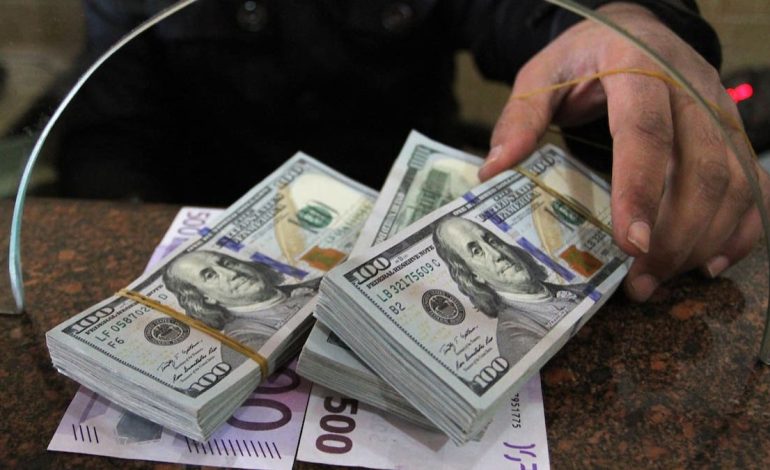

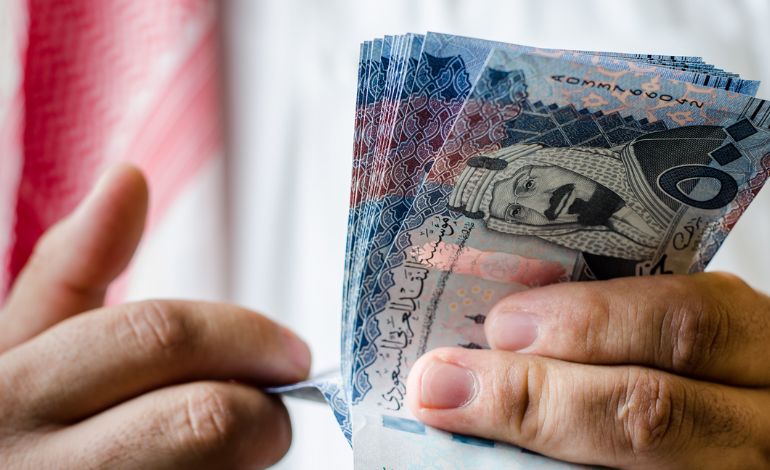
RAMALLAH — Gas station customers pulling out wads of bills to pay for fuel are being turned away across the West Bank. Cashiers explain that banks are refusing deposits because vaults are overflowing with Israeli shekels.
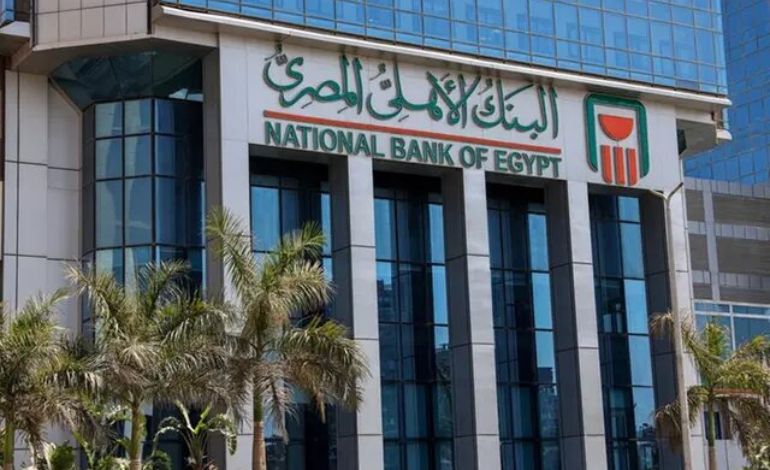
The Palestinian banking system has accumulated more physical currency than it can manage, making money harder for residents to spend and for businesses to deposit. The surplus stems from a conflict with the Bank of Israel, which limits how many shekels it accepts back from the West Bank. Palestinian officials say the cap has not kept pace with growth and is a tool of economic pressure.
Banks now accumulate an estimated 30 billion shekels annually, far exceeding Israel’s transfer limit of 18 billion shekels, said economist Moayad Afaneh. With no way to convert the cash into electronic balances, banks cannot process payments or settle transfers for customers.
Mohammad Manasra, deputy governor of the Palestinian Monetary Authority, described the situation as “economic warfare.” Banks are paying to store and insure unmanageable cash holdings, reducing their ability to lend and cutting profits by about 20 percent, according to a 2022 International Monetary Fund study.
For businesses, the crisis is already affecting daily operations. Al-Huda Group executive manager Hussni Jaber said cash-based companies cannot pay suppliers electronically, forcing some to take out loans and purchase other currencies at higher costs. Last month, gas station owners across the West Bank staged a 30-minute strike over the issue.
“If the cash problem is not resolved, all sectors will collapse,” Jaber warned. The crisis threatens imports of fuel, food, and medical supplies from Israel and abroad, as banks lack funds for necessary transfers.
Also Read:
Manga Majlis in Riyadh Showcases the Art and Craft Behind Anime Production
Exploring How Saudi Arabia Is Reclaiming the Night Sky and Promoting Stargazing