


Why Elon Musk Says OpenAI Strayed from Its Nonprofit Roots
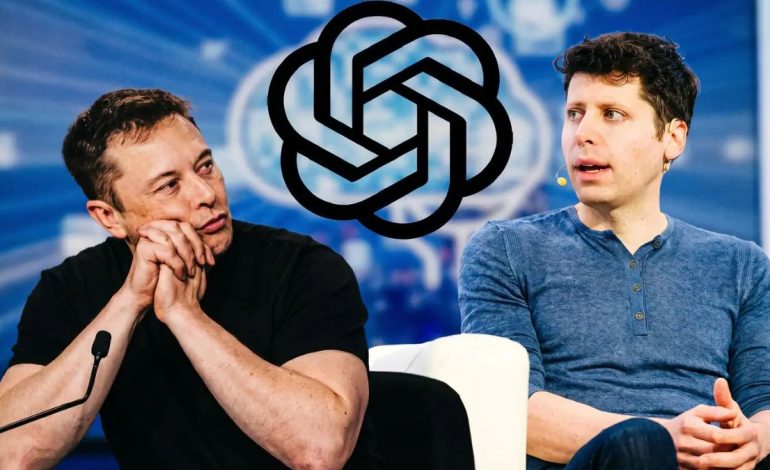

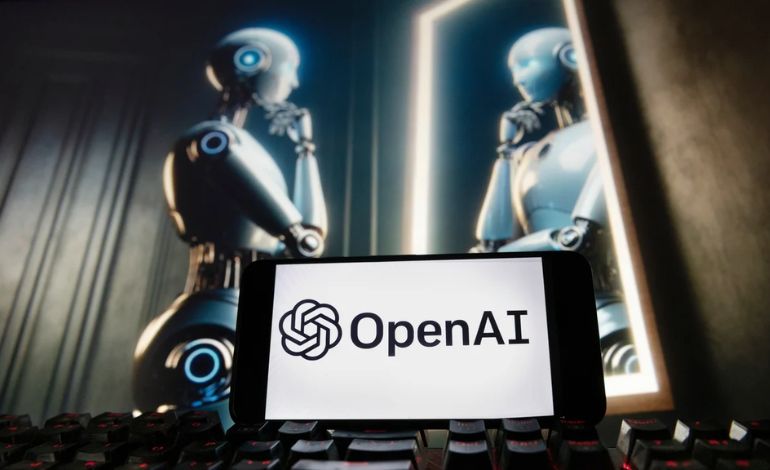
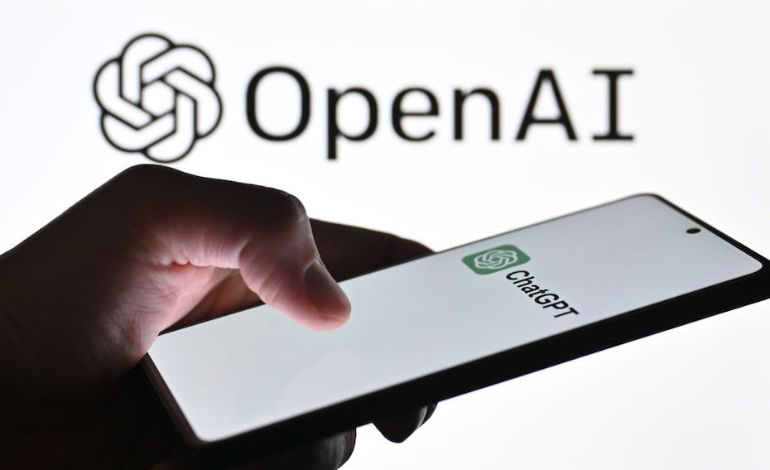
Elon Musk spent more than seven hours on the witness stand this week defending his lawsuit against OpenAI, arguing that the company’s leadership betrayed the original mission to develop technology for the public good rather than private profit.
Testifying over three days in Oakland, California, the world’s richest person cast his legal battle as a defense of charitable giving and institutional integrity. Musk is suing OpenAI CEO Sam Altman and President Greg Brockman, alleging they reneged on a foundational promise to maintain the nonprofit structure that was established when the company launched in 2015.
The Core Dispute
Musk’s central claim centers on a fundamental shift in OpenAI’s direction. The company was created as a nonprofit research organization with a stated mission to develop powerful technology for humanity’s benefit, not shareholder returns. Musk argued that Altman and Brockman abandoned this commitment when they established a for-profit subsidiary while keeping the nonprofit as the controlling entity.
In his testimony, Musk repeatedly characterized OpenAI as a “charity,” describing the obligations that come with that status. He presented this framing as the foundation of his legal case—that the organization’s leadership violated public trust by prioritizing commercial interests over the nonprofit mission.
A Question of Semantics and Intent
Notably, the original 2015 blog post announcing OpenAI’s formation never once used the word “charity.” Yet Musk’s testimony returned to this language repeatedly, highlighting what he views as a moral and practical obligation that transcends specific terminology.
His argument centers on intent: OpenAI was created to serve a public purpose. The shift toward commercial structure and profit-seeking, he contends, violated that original understanding and breached the trust of those—including himself—who supported the venture.
Musk’s Broader Message
Beyond the specific legal claims, Musk used his testimony to discuss existential risks and the dangers of concentrating powerful technology development within for-profit companies. He framed his lawsuit as a matter of principle—defending the idea that some endeavors, particularly those involving transformative technologies, should remain accountable to the public rather than shareholders.
What’s at Stake
The trial will determine whether OpenAI’s leadership breached fiduciary duties, whether the nonprofit’s transition served public interests, and what obligations exist when organizations shift from charitable to commercial models. The outcome could have implications for how other nonprofit organizations structure transitions to for-profit operations.
For Musk, the trial represents a platform to argue that public-serving institutions must maintain accountability to their foundational missions, even as they grow and evolve.
The proceedings highlight a growing tension in the technology industry between nonprofit ideals and commercial realities—and whether founders can hold companies accountable when organizational priorities shift.
Also Read:
Iran Warns of “Painful Response” if US Resumes Military Attacks
Iran Activates Air Defenses as Trump Confronts Critical Congressional Deadline