



The Strong Warning by Makkah Grand Mosque Imam Against Online Misinformation
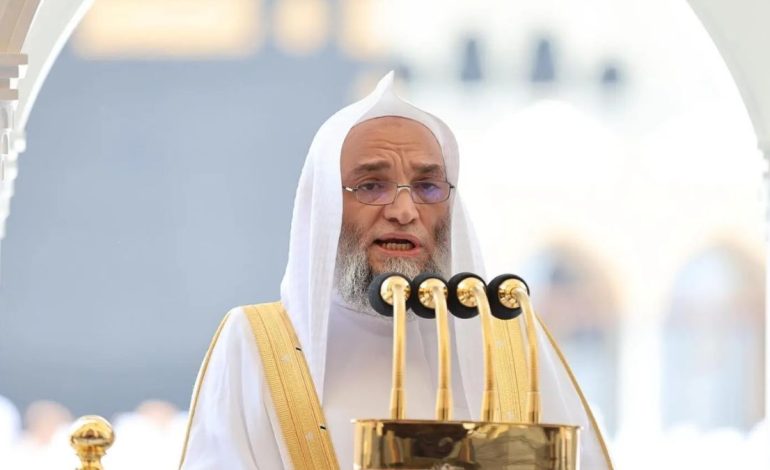

The Imam of Makkah Grand Mosque has issued a strong warning about the dangers of spreading rumors and unverified information on social media, emphasizing both spiritual and legal consequences for those who participate in amplifying false claims.
The Spiritual Dimension
Delivering his Friday sermon at the Grand Mosque, Sheikh Saleh bin Humaid stressed that circulating false information carries profound moral responsibility. He warned that spreading rumors not only harms individuals and communities but also burdens those involved with spiritual sin.
The Imam emphasized that a person’s true character reveals itself during times of hardship, urging worshippers to remain steadfast and avoid distractions that pull focus from spiritual awareness and integrity. He called on the community to uphold truth and honesty regardless of social pressure or public opinion.
Legal Penalties in Saudi Arabia
Sheikh Saleh’s warning aligns with official Saudi policies that treat misinformation as a serious criminal offense. The Kingdom’s Public Prosecution has established strict penalties for those found guilty of producing, sharing, or promoting false information on social media platforms.
The legal consequences are substantial: individuals convicted of spreading misinformation face sentences of up to five years in prison alongside fines reaching SR3 million (approximately $800,000). Additionally, devices used to commit the offense can be confiscated.
Reinforced During Crises
Saudi authorities have consistently reinforced these warnings during critical periods, particularly during the COVID-19 pandemic. During that crisis, officials acted against individuals accused of circulating false claims about health measures, lockdowns, and conditions at major religious sites including the Grand Mosque.
The repeated emphasis on combating misinformation reflects the government’s recognition that false claims can undermine public trust, disrupt social order, and cause widespread harm during emergencies.
Accountability for All Participants
Officials have clarified that legal responsibility extends beyond those who originate false information. Even individuals who repost, share, or store unsubstantiated content may face legal accountability. This broad definition means that passive participation in spreading rumors carries real legal risk.
The authorities have urged the public to rely exclusively on verified, official sources for information rather than engaging with unconfirmed claims on social media platforms.
A Two-Pronged Approach
The warning from Makkah’s senior religious leader, combined with Saudi Arabia’s strict legal framework, represents a comprehensive effort to address online misinformation. The spiritual component appeals to conscience and religious values, while the legal framework establishes concrete consequences for violations.
Sheikh Saleh’s sermon reflects a broader concern that false information spreads rapidly online, damages social cohesion, and undermines public confidence in institutions. By framing the issue as both a moral and legal matter, Saudi authorities seek to discourage participation in spreading unverified claims.
Moving Forward
The message is clear: those who engage with misinformation—whether by creating, sharing, or amplifying it—bear responsibility for the consequences. In an era of rapid information spread, authorities emphasize the critical importance of verification before sharing and the wisdom of relying on official sources during times of uncertainty or crisis.
Also Read:
Japan Denounces Attacks on Saudi Energy Sites, Offers Condolences to Victims
How AlUla is Using Saffron Cultivation to Strengthen Its Agriculture Sector