


Doha Film Institute Brings Qumra 2026 Online: A New Era for Film Mentorship
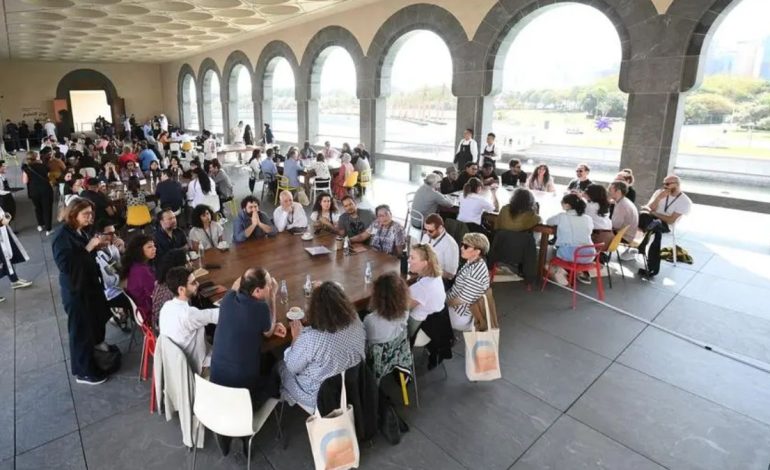

The Doha Film Institute’s incubator program, Qumra, has been moved to a virtual event that will run until April 8. Originally planned as an in person gathering, the initiative has adapted to become an online experience. The shift reflects both the challenges of the current moment and the resilience of the global filmmaking community. Qumra continues its mission: supporting emerging filmmakers by providing tailored creative support at every stage of the filmmaking process.
What Is Qumra?
Qumra is an incubator program designed to nurture first and second time filmmakers. It provides comprehensive support across all stages of filmmaking, from initial concept through post production. This is not a competition. There are no winners and losers. Instead, Qumra is a collaborative ecosystem where emerging talent receives mentorship from experienced industry professionals.
The program focuses on creative support tailored to individual projects. Each filmmaker receives feedback, guidance, and connections to help their project reach its full potential. This includes input on storytelling, technical aspects, distribution strategies, and navigating the film industry.
For emerging filmmakers, access to this level of mentorship is invaluable. Many aspiring directors lack connections to experienced professionals. They lack guidance on how to develop their vision into a complete film. Qumra closes that gap.
By moving online, Qumra makes this mentorship accessible to filmmakers who could not attend in person. Geography becomes less of a barrier.
A Global Collection of Stories
This year’s program brings together 49 projects from around the world, representing a diverse range of storytelling approaches and themes. The selection spans multiple formats: 27 feature films, nine television series, and 13 short films. These projects encompass fiction, documentary, and experimental formats.
A significant majority of projects come from the Middle East and North Africa. Forty three in total originate from this region, reflecting Qumra’s commitment to supporting filmmakers from the Arab world. However, the program also includes six projects from international filmmakers, ensuring a truly global perspective.
Fifteen projects are led by filmmakers based in Qatar. This includes ten projects created by Qatari nationals. This represents a substantial commitment to developing local talent while supporting regional storytelling.
The selected projects explore a wide range of themes. Personal stories. Social realities. History. Myth. Identity. These are the concerns that drive contemporary filmmaking. The diversity of voices and perspectives represented in this year’s selection demonstrates the global importance of film as a medium for storytelling.
Qumra recognizes that stories worth telling come from everywhere, in every format, from filmmakers of every background.
Notable Projects in Development
Among the standout projects is The Missing Planet by Marouan Omara and Tom Rosenberg, part of the Development Feature Narrative section. The film follows a paramedic searching Cairo for his missing wife. Guided by dreams sent from the future by his grieving daughter, he embarks on a journey that blends reality with the supernatural. This premise demonstrates the kind of innovative storytelling Qumra supports.
In the Development Documentary section, Onions to Forget the Past by Emilien Awada takes a deeply personal approach. The director traces his parents’ secret wartime letters, uncovering a family history shaped by Lebanon’s divisions. This is documentary filmmaking at its most intimate, revealing how personal stories connect to larger historical truths.
Reset by Qatar based filmmaker Dhoha Abdelsattar appears in the Development Short Narratives section. The film follows 12 year old Noura as her Tamagotchi dies, triggering her first confrontation with the inevitability of change. This deceptively simple premise explores profound themes of loss and growing up through a contemporary lens.
These projects showcase the range and ambition of this year’s selection.
International Perspectives
Films from Hong Kong, Chile, and Cameroon also feature on the program. These contributions ensure that Qumra reflects the global nature of contemporary cinema. Themes range from family dysfunction to the supernatural. They include intimate personal narratives and sprawling epics. This variety demonstrates that film as a medium transcends geography.
By bringing together filmmakers from such diverse origins, Qumra creates opportunities for cross cultural dialogue. Filmmakers from different regions can learn from each other’s approaches. They can share techniques, perspectives, and storytelling traditions. The program becomes not just about individual mentorship but about fostering a global film community.
This international dimension strengthens Qumra’s impact and relevance in the global film landscape.
The Shift to Online: Challenges and Opportunities
The decision to move Qumra online was made due to the ongoing war in the region. This was not a decision made lightly. The institute recognized the challenges of bringing together international participants for an in person event during a time of conflict and uncertainty.
However, the virtual format brings unexpected benefits. Filmmakers who could not travel to attend in person now have access. A filmmaker in rural Cameroon. A director in a remote area of Chile. A cinematographer in a small city in Hong Kong. They can all participate in Qumra without traveling across the globe.
The online platform also allows for recorded sessions and asynchronous participation. Filmmakers can engage with mentorship and feedback on their own schedule, which can be valuable when dealing with production demands or personal circumstances.
Of course, virtual events lack the spontaneous connections and informal conversations that happen at in person gatherings. The dining hall conversations. The chance encounters at screening events. These cannot be replicated online. However, structured mentorship can still happen effectively in virtual spaces.
Qumra’s adaptation demonstrates how institutions can maintain their core mission even when circumstances force them to change formats.
The Importance of Film Incubators
Film incubators like Qumra serve a critical function in the global film ecosystem. Without them, many talented filmmakers would struggle to develop their craft and bring their visions to the screen. Access to mentorship, industry connections, and feedback from experienced professionals is not equally available to all aspiring filmmakers.
Filmmakers in wealthy countries with strong film industries have built in advantages. Access to equipment. Connections to producers and distributors. Film schools and communities. But filmmakers in developing countries or in regions with less established film industries often lack these advantages.
Programs like Qumra level the playing field. They create opportunities for talent wherever it exists. They help emerging filmmakers overcome geographic and economic barriers. They contribute to a more diverse global cinema where voices from all regions and backgrounds can be heard.
By supporting emerging filmmakers, Qumra invests in the future of cinema itself.
Looking Forward
Qumra 2026 runs online until April 8. During this time, 49 filmmaking teams will receive mentorship, feedback, and support. They will connect with industry professionals. They will refine their projects. They will forge relationships that may shape their careers for years to come.
The projects selected for Qumra 2026 represent the future of cinema. Some will become important films shown at major festivals. Some will find audiences around the world. Some may change how we think about filmmaking. All deserve the mentorship and support that Qumra provides.
The Doha Film Institute’s commitment to supporting emerging filmmakers, demonstrated by its adaptation of Qumra to an online format, shows an understanding of what contemporary cinema needs. It needs support systems. It needs mentorship. It needs platforms where diverse voices can be heard.
Qumra 2026, whether in person or online, continues this vital work. The future of film depends on it.
Film incubators are essential infrastructure for global cinema. By nurturing emerging talent and fostering cross cultural dialogue, programs like Qumra ensure that cinema continues to evolve and reflect the diversity of human experience.
Also Read:
Discover the 5 Best Places to Enjoy Your Retirement in the USA in 2026
Exploring The Donald Trump Lifestyle: Branding Power and Billionaire Success