

Will Australia’s Social Media Ban Really Protect Kids? YouTube Shares Concerns
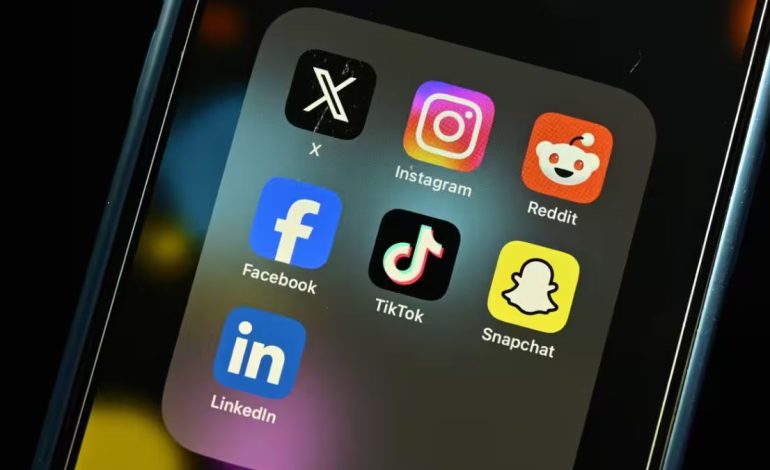

Australia is about to implement one of the world’s strictest bans on social media use by children. Beginning December 10, anyone under 16 will be banned from platforms like YouTube, Instagram, TikTok, and Facebook. The government believes this drastic step is necessary to protect young people from harmful content and addictive design. But YouTube is warning that the law has been rushed and will actually make children less safe online by removing the very protections parents currently use to supervise their children.
YouTube’s Warning About Lost Protections
YouTube’s central argument is straightforward and troubling: children will still watch YouTube videos, but without safety tools. When the ban takes effect, anyone under 16 will be automatically signed out of their account. They will not be able to sign back in.
This sounds like a protection. But YouTube argues it creates dangerous gaps. Without a signed in account, young people lose access to features parents use to keep them safe. Parents will no longer be able to set content restrictions on what their children can watch. They cannot block certain channels. They cannot control video types. They lose bedtime reminders and break reminders that encourage kids to step away from screens.
All of these protections only work when a child has an active account. Without accounts, according to YouTube, those protections vanish.
Rachel Lord, a senior policy manager from YouTube and Google Australia, stated that the company has spent over 10 years building strong safety features for families. She said the new law contradicts this work and will not make kids safer online. She claimed that parents and teachers agree with YouTube’s position.
YouTube’s position essentially says: children will watch anyway, so at least let them use features that keep them protected.
Government Pushes Back Hard
Australia’s Communications Minister Anika Wells did not accept YouTube’s argument. She called it outright weird for YouTube to warn that its own platform is not safe for children. If the platform isn’t safe, she said, YouTube should fix it.
Wells pointed out that the Social Media Minimum Age Act is designed to protect Generation Alpha, children born after 2010. She believes these young people are exposed to too much harmful content and too many addictive features. Endless scrolling. Constant notifications. All designed to keep children hooked.
She used powerful language to describe the problem. Social media algorithms, she said, function like behavioral cocaine. They keep kids engaged for hours through constant rewards: likes, comments, notifications. Tech companies design their platforms this way intentionally.
Wells acknowledged that the ban may create challenges when it first takes effect. But she believes any major change requires time and patience. The benefits, she argued, will outweigh the problems.
For Wells and the government, the issue is clear: children need protection from platforms designed to manipulate them. The ban is that protection.
Why YouTube Lost Its Exemption
Earlier in the year, YouTube thought it would be exempt from the ban. The government had indicated that YouTube Kids, the child friendly app, would be sufficient to satisfy the new rules.
But in July, the government changed its mind. Australia’s eSafety Commissioner reported that YouTube was the platform where children aged 10 to 15 most frequently encountered harmful content. Based on this evidence, the government decided to remove YouTube’s exemption.
YouTube must now follow the same rules as Facebook, Instagram, and TikTok.
What Changes on December 10
The law’s implementation is comprehensive. Anyone under 16 will be automatically signed out of YouTube accounts. They cannot sign back in. They cannot comment on videos. They cannot upload their own content. They cannot interact with video recommendations based on their watch history.
Young people can still watch YouTube videos without signing in. But their viewing will be generic, without customization. Default wellbeing features like bedtime reminders will not activate.
YouTube Kids, the separate app designed specifically for children, is not banned and will continue to operate. But millions of young people who use the regular YouTube platform will lose access to their accounts.
The law also covers other major platforms: Instagram, Facebook, TikTok, Snapchat, X, Twitch, Threads, Reddit, and Kick. All must deactivate accounts of anyone under 16. All must block workarounds or tricks to avoid the age restrictions. All face fines up to 49.5 million Australian dollars for noncompliance.
This is the most stringent social media ban any major democracy has implemented.
The Bigger Debate
Australia’s ban has sparked significant debate about the best way to protect children. Supporters argue that tech companies have failed to adequately safeguard young users. They say that harmful content spreads easily. Predators operate on these platforms. Addictive design hooks children. The government must intervene.
Critics, including YouTube, counter that the ban is too blunt. Young people will find ways to access social media regardless. But now they will do so without safety tools or parental oversight. These critics argue that education, better parental controls, and industry accountability would be more effective than an outright ban.
The fundamental disagreement is about approach. One side believes prohibition is necessary. The other believes regulation and education work better.
YouTube falls into the second camp, insisting that accounts provide necessary protections.
Investigations Into New Apps
The ban is not just about established platforms. Australia’s eSafety Commissioner is also investigating newer apps gaining popularity with teenagers: Lemon8 and Yope. Both apps allow users to share photos and videos. As teenage use increases, the regulator has asked these companies to determine whether they should also be included in the ban.
The government is determined to prevent young people from simply switching to different platforms once the main social media apps become inaccessible.
Google May Challenge in Court
YouTube’s strong criticism of the law has led to speculation about a legal challenge. YouTube’s parent company, Google, has reportedly considered challenging the ban in court. If Google pursues this strategy, it could delay implementation or invalidate the law entirely.
Google would likely argue that the law is too broad, poorly planned, and unrealistic in practice. The company might contend that it violates freedom of speech or expression.
Whether Google actually files a lawsuit remains uncertain, but the company has made its intention clear: it believes the law is fundamentally flawed.
What Experts Say
Internet safety experts are divided. Some support the ban as a necessary protection from platforms designed to exploit young attention. Others worry that prohibition without education is counterproductive.
Psychologists point out that teenagers are curious and will likely find ways around the ban. Without proper guidance and understanding, they may engage in riskier behaviors, such as accessing social media through VPNs or parental accounts.
The coming months will provide real world data about whether the ban achieves its goals or creates unintended consequences.
Looking Ahead
December 10 will mark a historic moment. Australia will become the first major democracy to implement such a comprehensive social media ban for minors. The first weeks and months will reveal critical information about whether the policy works.
The government expects challenges but remains committed. Tech companies must now make massive changes to verify age and deactivate accounts. They must report regularly on underage users they identify.
Meanwhile, the conversation about protecting children online will continue. YouTube, parents, educators, and internet safety advocates remain divided about the best approach.
What happens in Australia over the coming months will likely influence how other countries approach social media regulation and child safety online.
The core question remains unresolved: can banning social media protect children, or will it simply push them toward less regulated and less safe spaces online? Australia is about to find out.
Also Read:
Suhail Memon Emerges as Key Voice in UAE’s Evolving Tax and Investment Landscape
Top Reasons Why You Should Avoid Purchasing Business Software This Year