


Saudi Air Defenses in Action as Iran Expands Drone Strikes Across Gulf
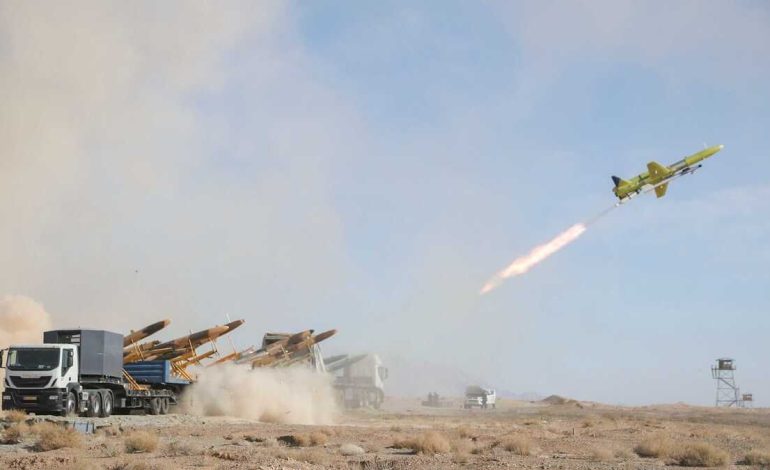

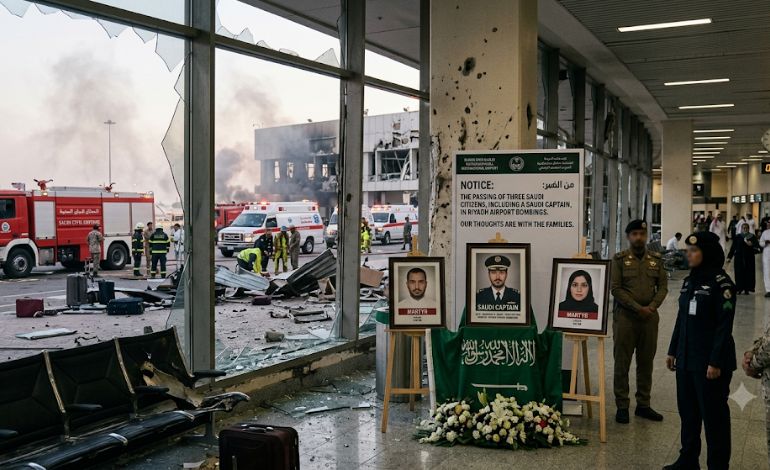
RIYADH – Saudi Arabia shot down 51 drones in the early hours of Saturday as Iran intensified strikes on Gulf energy infrastructure, continuing a relentless aerial assault that has targeted the region’s critical oil and gas facilities for weeks.
The latest attacks concentrated on Saudi Arabia’s Eastern Province, home to the kingdom’s major oil fields and refineries. The Saturday morning strikes brought the total intercepted since Friday to 92 drones. Since February 28, when the conflict escalated, Saudi air defenses have destroyed at least 575 drones while also intercepting 42 ballistic missiles and seven cruise missiles.
The Iranian campaign extends across the entire Gulf. Kuwait’s military reported air defenses responding to simultaneous missile and drone attacks Saturday. Bahrain said its systems have destroyed 143 missiles and 242 drones since Iranian attacks began. The UAE’s defense ministry reported early Saturday morning that air defenses were “currently responding to incoming missile and drone threats,” with interceptors creating loud explosions across Dubai as residents celebrated Eid Al-Fitr.
The UAE has accumulated staggering totals since February 28: 1,740 intercepted drones, 338 ballistic missiles, and 15 cruise missiles. Despite these interceptions, damage continues. Kuwait’s Mina Al-Ahmadi refinery, one of the Middle East’s largest with capacity for 730,000 barrels daily, caught fire Saturday after a second drone wave strike. Bahrain reported a warehouse fire from intercepted projectile shrapnel.
US and Israeli leaders claim weeks of strikes have severely degraded Iran’s military capabilities. Israeli Prime Minister Benjamin Netanyahu declared Thursday that Iran’s navy has been destroyed, its air force crippled, and ballistic missile production eliminated. Supreme Leader Ayatollah Mojtaba Khamenei, who assumed power after his father was killed in an Israeli strike on the war’s opening day, has not commented on these assessments.
However, Iran’s Revolutionary Guard pushed back against such claims. Spokesman Gen. Ali Mohammad Naeini insisted missile production continued uninterrupted despite military operations. “We are producing missiles even during war conditions,” he stated, asserting Iran had no interest in rapid conflict resolution.
Hours after the statement, Iranian state television reported Naeini was killed in an airstrike, underscoring the conflict’s intensity at the command level. The new supreme leader issued a rare warning that Iran’s enemies must have their “security” taken away, signaling resolve for continued confrontation despite mounting casualties among senior leadership.
Also Read:
Israel Hits Tehran During Persian New Year: What Triggered the Airstrikes?
Iran War Fallout: How Palestinians Became Unintended Victims