



How Ramadan Demand Highlights Saudi Arabia Water Energy Nexus
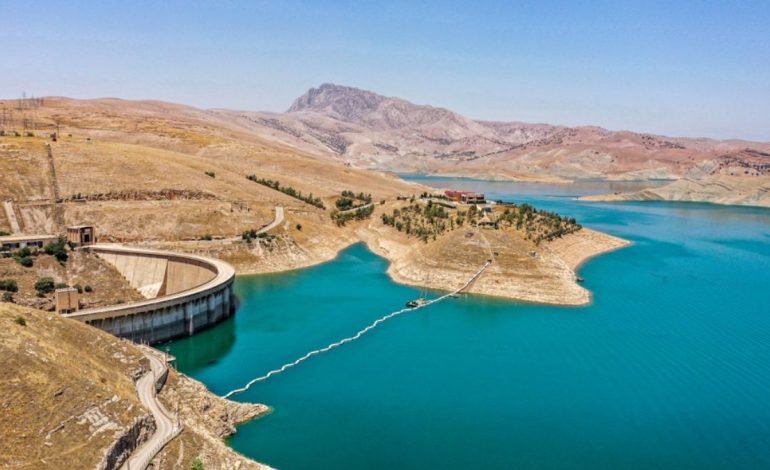

Water demand in Saudi Arabia rises significantly during Ramadan as households, mosques, and restaurants increase consumption around iftar and suhoor. The seasonal spike highlights the close relationship between water production and energy use in the Kingdom.
Increased Supply Planning
Last year, approximately 10 million cubic meters of water per day were distributed across the Kingdom during Ramadan. The National Water Company plans to distribute about 11 million cubic meters daily this year.
The company said it had prepared thoroughly to ensure reliability and continuity of supply. The increase reflects growing consumption patterns during the holy month.
Desalination’s Energy Demands
Most drinking water in Saudi Arabia is produced through desalination, an energy-intensive process. Experts say Ramadan demand spikes highlight the critical link between water and energy systems.
“Ramadan intensifies both energy and water demand simultaneously,” said Ahmed Al-Nashrey, environmental and sustainability engineer at Saudi Aramco. “When water use spikes, energy systems must also ramp up to supply and distribute that water.”
Shifting Consumption Patterns
Peak daily water use often shifts toward late night and early morning hours. People consume more water around suhoor and iftar, changing typical demand patterns.
Household uses like cooking, cleaning, and hydration increase significantly. Mosques also boost ablution facilities during the month.
Solar Power as Solution
Renewable energy could play an increasing role in supporting desalination infrastructure. Solar power aligns well with peak daytime demand, especially for desalination and cooling.
Saudi Arabia’s solar capacity has reached around 11.9 gigawatts across 14 initiatives. Energy storage systems could shift renewable output to evening hours when Ramadan peaks occur.
Battery Storage Costs Declining
Battery prices fell about 8 percent in 2024. Average prices in 2025 are estimated at roughly one-third of their 2020 levels.
The declining costs make battery storage increasingly viable. Energy storage systems have seen some of the sharpest cost declines in the renewable sector.
Hybrid System Benefits
Hybrid systems combining renewable and conventional power sources could provide greater flexibility. Utilities managing fluctuating demand would benefit from integrated approaches.
“Solar-powered desalination — particularly with storage — offers a pathway to reduce costs, emissions, and grid pressure during seasonal peaks,” Al-Nashrey said.
Operational Challenges
Desalination plants often operate at near-maximum capacity already. Seasonal demand spikes force them to run longer or less efficiently.
Electric grids experience shifting peak loads, especially during evening hours. People use water, cook, and cool homes simultaneously during iftar.
Long-Term Sustainability
Integrating cleaner and more flexible energy sources into water production systems remains essential. Renewable technologies offer pathways to address both water and energy challenges.
The Ramadan demand pattern demonstrates why sustainable approaches are increasingly important for Saudi Arabia’s future infrastructure planning.
Also Read:
US Decision on Russian Oil at Sea: A 30-Day Opportunity for Global Buyers
Middle East Tensions Grow as Jordan and Syria Denounce Iran’s ‘Unjustified’ Strikes