


Authorities Continue Efforts to Improve Quality of Life in Madinah
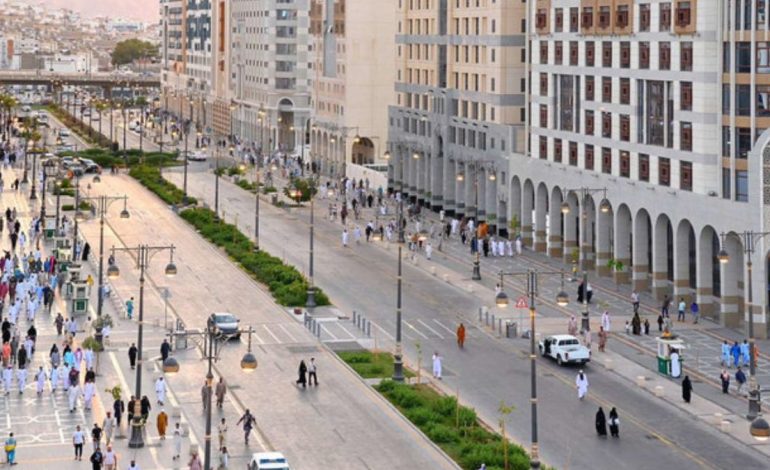

The Madinah Region Development Authority is undertaking an ambitious effort to reshape the holy city’s physical landscape, focusing on creating infrastructure that encourages residents and visitors to embrace more active, healthier lifestyles. Through carefully planned pathways, recreational spaces, and sustainable transportation options, the authority is working to modernize Madinah while honoring its sacred identity and preserving the quality of life that defines this important Islamic center.
A Comprehensive Approach to Urban Wellness
Rather than approaching urban development as a single-dimensional project, the Madinah Region Development Authority has adopted a holistic strategy that recognizes the interconnection between physical infrastructure, public health, and overall community wellbeing. The initiatives represent a departure from car-centric urban planning that has characterized many contemporary cities, instead prioritizing the pedestrian and cyclist experience.
The development projects create a network of amenities designed to make movement and physical activity integral to daily life. Residents and visitors no longer need to view exercise as a separate activity conducted at dedicated facilities—instead, physical activity becomes naturally woven into the fabric of daily movement through the city.
Key Infrastructure Components
The authority’s plan includes several distinct infrastructure elements, each serving a specific purpose within the broader vision:
1. Pedestrian Pathways: Well-maintained walking paths throughout the city create safe, accessible routes for residents of all ages and abilities. These pathways connect residential areas with commercial districts, educational institutions, cultural sites, and recreational zones, making walking a practical transportation option rather than merely a leisure activity.
2. Bicycle Lanes: Dedicated bicycle infrastructure provides residents with a viable alternative to automobile travel for short and medium-distance journeys. Proper lane separation and clear demarcation create safety for cyclists while encouraging more people to consider cycling as a daily transportation mode.
3. Bicycle Stations: Strategic placement of bicycle stations throughout the city removes barriers to cycling participation. These facilities provide secure storage, maintenance equipment, and rental options, making bicycles accessible to residents who may not own one or prefer not to maintain personal equipment.
4. Barefoot Walking Areas: A distinctive feature of Madinah’s development plan includes designated areas where residents can walk barefoot on natural surfaces. These specialized zones recognize the growing body of evidence suggesting that direct contact with natural ground surfaces provides physical and psychological benefits, creating unique wellness opportunities within the urban environment.
Together, these infrastructure elements form a comprehensive system that transforms how residents interact with their city.
Public Health Benefits and Disease Prevention
The underlying motivation for these infrastructure investments centers on public health. The authority recognizes that modern urban lifestyles increasingly contribute to sedentary patterns that fuel the development of lifestyle-related diseases. Obesity, diabetes, cardiovascular disease, and other conditions associated with insufficient physical activity have become significant public health concerns in urban populations worldwide.
By creating infrastructure that makes physical activity convenient and accessible, the authority addresses these health challenges at their root. When walking and cycling are practical transportation options rather than merely recreational choices, activity levels naturally increase. Residents who might otherwise drive for short journeys can instead walk or cycle, accumulating physical activity throughout the day through ordinary movement patterns.
This approach proves more sustainable than relying on individual motivation to visit gyms or exercise facilities. By making the healthy choice the convenient choice—by designing the city itself to encourage movement—the authority removes barriers that prevent many people from achieving adequate physical activity levels.
Boosting Tourism and Economic Vitality
Beyond public health considerations, the development initiatives serve important economic and tourism objectives. Madinah’s status as one of Islam’s holiest cities makes it a destination for millions of religious pilgrims annually. However, extending visitor stays and deepening their engagement with the city creates additional economic benefit for local businesses and increases the return on tourism infrastructure investments.
A city designed around pedestrian and cycling infrastructure naturally encourages visitors to spend more time exploring neighborhoods, patronizing local businesses, and engaging with cultural and commercial establishments. The leisurely pace of walking through carefully designed pathways and public spaces creates opportunities for discovery and authentic engagement with local commerce and culture.
Modern travelers increasingly value authentic experiences and sustainable practices. A city that prioritizes pedestrian-friendly design and reduces vehicle dependence appeals to contemporary visitors who seek to minimize environmental impact while experiencing destinations meaningfully. This positioning aligns Madinah with global tourism trends toward sustainable and conscious travel practices.
Reducing Vehicle Dependence and Environmental Sustainability
A significant benefit of the authority’s strategy involves reducing reliance on private automobiles. Cars consume substantial urban space, generate emissions, create noise pollution, and contribute to traffic congestion that degrades quality of life. By providing practical alternatives through pedestrian and bicycle infrastructure, the authority reduces pressure on transportation networks while decreasing environmental impact.
This shift toward sustainable mobility aligns with broader global recognition that current automotive-dependent urban models prove environmentally and socially unsustainable. Cities worldwide are increasingly recognizing that prioritizing pedestrians and cyclists—rather than automobile drivers—creates healthier, more livable communities.
For Madinah specifically, reducing vehicle dependence helps preserve the spiritual and cultural character of the holy city. Pedestrians and cyclists move at human-scale speeds that allow for appreciation of architectural details, public art, and neighborhood character. The absence of excessive automotive traffic creates quieter streets where residents and visitors can experience the city more deeply.
The Broader Urban Development Context
Madinah’s development initiatives reflect a broader global movement toward reimagining cities for human flourishing rather than mere efficiency. Contemporary urban design increasingly recognizes that cities exist primarily to serve their residents and visitors—not vehicles. This philosophical shift has spawned worldwide movements toward walkability, public space development, and sustainable transportation.
The Madinah Region Development Authority’s approach draws on international best practices while respecting local culture and religious significance. The integration of barefoot walking areas, for example, reflects consideration of Islamic traditions and contemporary wellness practices. The design acknowledges that effective urban development must be culturally rooted, not merely imported from external models.
Creating Spaces for Community Connection
Beyond individual health benefits, the infrastructure initiatives create spaces where community connection naturally occurs. Streets designed for pedestrians become places where neighbors encounter one another, where informal social interaction happens, and where community identity strengthens. Public spaces become centers of social life rather than mere transportation corridors.
This community-building dimension proves particularly important in contemporary cities where rapid urbanization and automobile dependence often isolate residents from one another. By creating appealing pedestrian environments and public spaces, the authority fosters the social bonds that transform collections of individuals into genuine communities.
A Model for Sustainable Urban Living
Madinah’s development initiatives offer a model that other cities, both within the region and globally, might study and adapt. The comprehensive approach—simultaneously addressing public health, environmental sustainability, economic development, tourism, and community wellbeing—demonstrates that these objectives need not conflict. Instead, they reinforce one another when pursued through thoughtful urban design.
The authority’s recognition that infrastructure shapes behavior suggests an understanding of urban development that goes beyond mere construction. Streets, pathways, and public spaces communicate messages about how cities expect residents to move and interact. By designing infrastructure that encourages walking, cycling, and community gathering, Madinah’s leadership sends a clear message about the kind of city they envision: healthy, sustainable, connected, and distinctly human-centered.
Looking Forward
As the Madinah Region Development Authority continues implementing these initiatives, the holy city moves toward a future where quality of life encompasses not just spiritual and cultural dimensions but also physical health, environmental stewardship, and community connection. The projects represent an investment in Madinah’s residents and visitors—an acknowledgment that modern cities can honor tradition while embracing contemporary understanding of what makes urban environments truly livable.
The transformation of Madinah’s public spaces demonstrates that enhancing quality of life need not mean abandoning cultural identity or Islamic values. Instead, thoughtful development can strengthen both, creating a city that serves the spiritual needs of pilgrims while supporting the daily wellbeing of permanent residents. In doing so, Madinah emerges as an example of how traditional Islamic cities can modernize sustainably and humanely.
Also Read:
Rising Tensions in the Middle East: Arab League Calls Meeting After Iran Strikes
Iran Issues Apology to Neighboring Nations Following Regional Attacks