
US-Iran Nuclear Talks to Take Place in Oman, White House Confirms
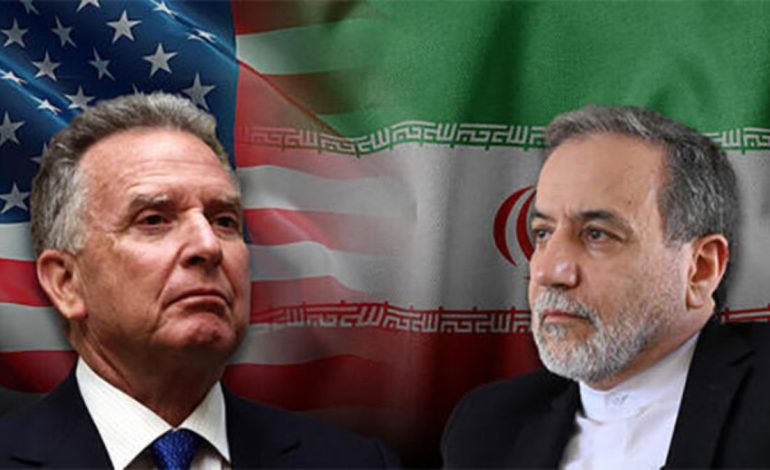

In a last-minute diplomatic shift, the United States and Iran have confirmed they will hold direct talks on Friday, with the venue moving from Turkey to Oman. The announcement follows days of uncertainty and recalibration, highlighting the fragile and high-stakes nature of the engagement.
The confirmation came from both sides on Wednesday. Iranian Foreign Minister Abbas Araghchi first announced the meeting in Muscat, thanking Omani mediators. A White House official later verified the change in venue, noting the administration agreed to the new plan out of respect for regional allies who urged continued dialogue.
Narrowing the Scope, Raising the Stakes
The talks almost faltered over disagreements on format and agenda. According to regional officials, Iran pushed for a “different” type of meeting—one focused exclusively on its nuclear program and limited to direct US-Iran participation. This narrow scope contrasts with the broader agenda desired by Washington.
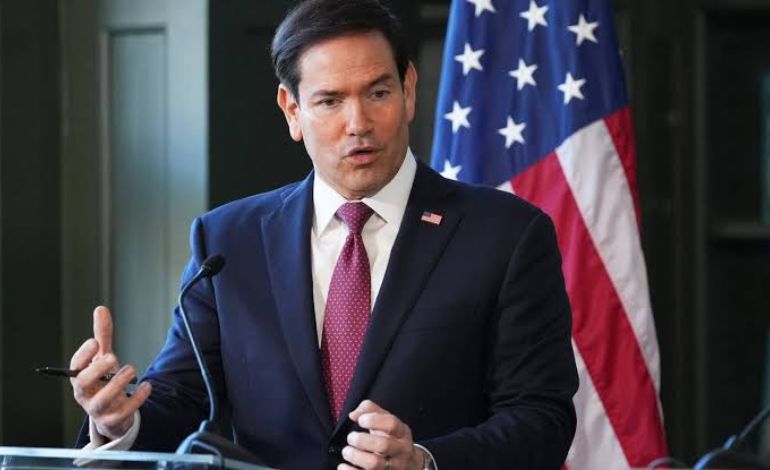
US Secretary of State Marco Rubio expressed hope that discussions could extend beyond the nuclear file to address Iran’s ballistic missile program, its support for regional proxy networks, and its domestic human rights record. The Trump administration remains “very skeptical” of a successful outcome but is proceeding at the urging of partners.
A Signal from Tehran
The decision to engage marks a significant, if cautious, shift from Tehran. Reformist President Masoud Pezeshkian stated he had instructed his foreign minister to “pursue fair and equitable negotiations,” a move interpreted as having the tacit approval of Supreme Leader Ayatollah Ali Khamenei. This provides the necessary political cover for Iranian diplomats to proceed.
Talks Amid Tension
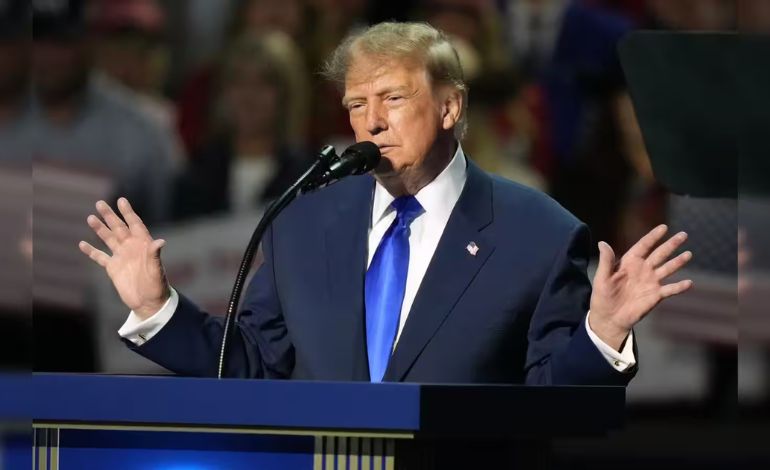
The dialogue occurs against a backdrop of severe strain. Relations plummeted further last month following Iran’s violent crackdown on nationwide protests, which prompted threats from President Trump. The White House has consistently linked relief from economic pressure to concessions on nuclear and regional behavior.
As both sides prepare to sit down in Muscat, the fundamental disconnect remains: Iran seeks a focused negotiation to salvage its nuclear deal and gain sanctions relief, while the US aims for a comprehensive agreement that alters Iran’s entire regional and military posture. Oman, a trusted mediator with channels to all sides, now provides the neutral ground for this delicate and pivotal encounter. The world watches to see if this meeting can build a bridge over a chasm of mistrust, or if it will merely underscore how wide that divide truly is.
Also Read:
Makkah Museum Showcases a Rare Masterpiece of Islamic Heritage
How the New Campaign Aims to Stop the Spread of False Information Online