




Najran’s Camels: A Living Symbol of Local Culture and Traditions
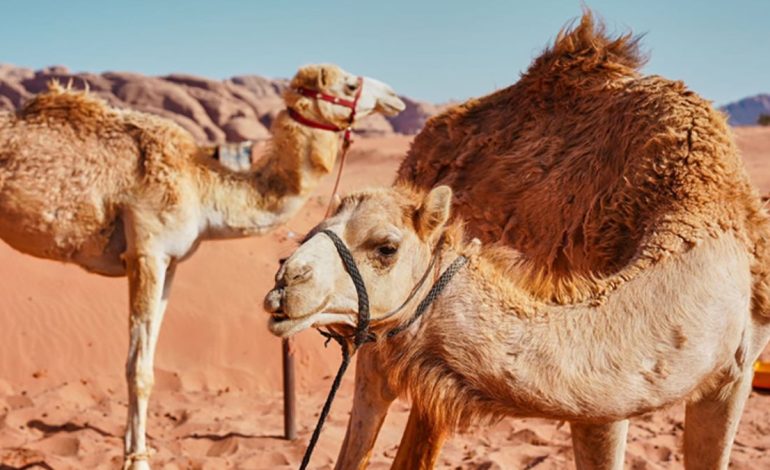

In the vast, sun-drenched landscapes of Najran, the camel is not merely an animal. It is a cornerstone of life, a thread woven through history, and a powerful symbol of local identity and tradition. These creatures represent a living heritage that continues to shape the cultural and economic fabric of southern Saudi Arabia.
The Prized Breeds of the Desert
According to Hadi Benyan Al-Amer, head of Najran’s Camel Association, the region is home to several distinct and cherished breeds, each with its own unique legacy and purpose.
- The Awarik: An ancient Arabian lineage linked to territories where the hardy arak tree grows. These light-colored, sparsely-haired camels are celebrated for their remarkable resilience and are prevalent across southern Arabia.
- The Majahim: Recognizable by their dark hues, ranging from deep black to rich brown, these camels are dual-purpose treasures. They excel in both milk yield and endurance, making them indispensable to traditional herders.
- The Asayil: Prized for their sleek, athletic physiques, the Asayil are the champions of the desert. They dominate in speed-based competitions, where their grace and power are on full display.
Oases of Life: The Wells That Sustain a Culture
This deep connection is sustained by an ancient network of water sources. Traditional wells, known locally as Odood, alongside artesian wells, have quenched the thirst of both camels and herders for generations as they navigate the grazing lands of the Empty Quarter.
These permanent oases, equipped with dedicated drinking basins, are testaments to a sustainable, nomadic way of life and highlight the camel’s extraordinary adaptability. Principal wells accessible from Najran, such as Al-Minkhali, Abu Shadid, and Hamra Nathil, serve as vital hubs. Countless others dot the desert, forming the backbone of far-reaching pastoral networks that have existed for centuries.
Echoes in Stone and Story
The bond between the people of Najran and their camels is etched not just in daily life, but in the very land itself. Dr. Hind bint Dawood Al-Shuqair of Najran University explains that camels have permeated Arab consciousness for millennia, symbolizing endurance, power, and grace.
This historical link is preserved in stone. Archaeological sites like Al-Ukhdood, Mount Al-Tharwa, and Hima showcase ancient carvings and artwork depicting camels, offering silent testimony to a relationship that has defined the region for thousands of years.
A National Commitment to Heritage
Recognizing this profound cultural significance, Saudi Arabia has made substantial investments in preserving and celebrating its camel heritage. The designation of 2024 as the “Year of the Camel” underscores the animal’s importance to national identity and prosperity. This initiative supports global efforts to promote awareness of camels as valuable economic and cultural assets.
This commitment is vividly demonstrated through events like the annual King Abdulaziz Festival for Camels, which honors the finest breeds and the deep traditions surrounding them. In Najran, every camel is a living story—a symbol of survival, a bearer of tradition, and a majestic emblem of a culture that continues to thrive in harmony with the desert.
Also Read:
Why North Korean Prisoners of War in Ukraine Want to Move South
US Visa Ban on Ex-EU Commissioner Breton Draws Strong Reaction from France